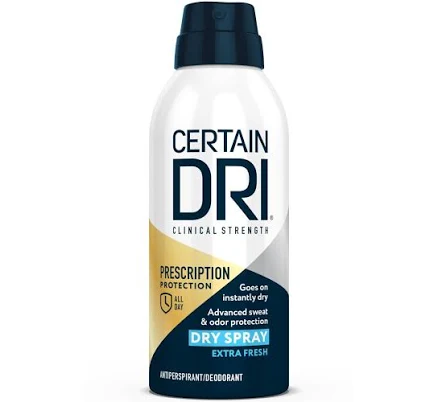
Certain Dri Clinical Strength Antiperspirant Dry Spray Extra Fresh
Lower PFAS concern for spray antiperspirant; manufacturer transparency absent.
Certain Dri Clinical Strength spray lacks intentional PFTE, Teflon-family coating, or film-forming compounds typical in aerosols. The brand provides no PFAS disclosure, leaving some uncertainty about propellants and surfactants.
We flunk more products than we pass. This one earned its grade. How we grade
Material
aluminum-based aerosol formulation with active antiperspirant (aluminum salts) and fragrance
Brand disclosure
Brand is silent on PFAS
Lab data
No public lab test
You may also be interested in
Top-graded picks in the categories readers replace first, every one scored on the same rubric.

- polypropylene filter housing, carbon/sediment cartridge
- We found no PFAS statement from the brand
- Bacterial growth in spent cartridges
3 hazards checked on this product, all on its full breakdown.

Aquasure
Premier Series 75 GPD Under Sink Reverse Osmosis Water Filtration System
- RO membrane, carbon filters, stainless steel housing
- We found no PFAS statement from the brand
- Bacterial and microbial growth in housing and filters
4 hazards checked on this product, all on its full breakdown.

Avocado
Vegan Mattress
- organic cotton, natural latex, coconut coir, recycled steel coils
- The brand calls it PFAS-free, which we have not verified
- Heavy metals
2 hazards checked on this product, all on its full breakdown.
What Certain Dri Clinical Strength Extra Fresh is made of, ingredients and materials
Certain Dri Clinical Strength is an aluminum chlorohydrate or similar aluminum salt aerosol spray designed to block sweat ducts. The active ingredient is the aluminum compound itself, not a novel chemical. Fragrance and propellants are mixed in; aerosol delivery means inhalation risk is low for skin-applied products if used as directed (not intentionally inhaled). The dry-spray format minimates liquid carriers that could leach other compounds into skin.
What’s concerning
Category baseline
The starting point for this type of product, before anything specific to this product is counted.
No PFAS disclosure
No public statement from the brand about PFAS in this product.
Formaldehyde / VOCs
Certain Dri lists 'fragrance' as a proprietary blend without ingredient breakdown. Fragrance compounds can include formaldehyde releasers (e.g., imidazolidinyl urea) and common contact allergens; no testing or disclosure on this product is publicly available.
Source, ATSDR ↗Aluminum systemic absorption
Clinical-strength antiperspirants contain elevated aluminum chlorohydrate; topical application deposits aluminum on skin, with minimal systemic absorption under normal conditions. Long-term cumulative exposure via repeated antiperspirant use is debated in literature but not conclusively linked to clinical harm at consumer-use rates.
Inhalation exposure from aerosol spray
Spray delivery creates fine particles and propellant vapor; inhalation of aerosol antiperspirant is generally low-risk if applied to underarms as directed and not intentionally inhaled. Prolonged or heavy spray use in enclosed spaces could increase respiratory exposure to propellants and aluminum particles.
Skin irritation and barrier disruption
Antiperspirant formulations can cause localized irritation, itching, or contact dermatitis in sensitive individuals. Certain Dri clinical strength, with higher active concentration, carries slightly elevated risk compared to regular-strength formulations. Alcohol content (if present in formulation) may further irritate inflamed skin.
What’s reassuring
Base material not linked to PFAS
The main material recorded for this product is not one associated with PFAS.
Propellant and solvent safety
Modern aerosol propellants (typically hydrocarbons or compressed gas) used in antiperspirants are not associated with documented consumer harm at intended use. Specific propellant composition for this product is not disclosed but is standard for the category.
How is this PFAS grade calculated?
The brand's record and disclosure
Certain Dri (Church & Dwight subsidiary) has no major safety recalls for this product line in FDA or CPSC records. The brand does not prominently disclose fragrance ingredients or PFAS testing status, which limits independent verification of formulation purity. No third-party certifications (e.g., Clean Beauty, Dermatologist Alliance) are advertised for this product. Standard antiperspirant category; no atypical safety red flags specific to Certain Dri as a manufacturer.
How it compares in its category
Aluminum-based antiperspirants dominate the market and have not shown hazard from PFAS at applied doses under FDA review and dermatology consensus. This clinical-strength version has higher aluminum content than regular antiperspirants, which increases local skin exposure but does not alter systemic absorption meaningfully. Alcohol-free and aluminum-free alternatives exist but are generally less effective at sweat suppression. Spray format is typical for antiperspirants; roll-on or stick formulations carry identical chemical hazards.
If you buy it
Apply to clean, dry skin as directed (usually evening); avoid open cuts or irritated skin. Do not spray near eyes or inhale intentionally. Discontinue if persistent rash or irritation develops; aluminum sensitivity is rare but possible. Replace when propellant weakens (sprays less effectively). Store at room temperature away from heat and direct sunlight; do not puncture or incinerate the canister.
What is not known about PFAS in this product?
- Basis
- Model estimate, 72% confidence, not a lab result
- Lab test
- None on record for this exact product
- Brand statement
- Certain Dri has made none
Formulations change between production runs, so check the current label. How we grade.
What are the PFAS-free alternatives to Certain Dri Clinical Strength Antiperspirant Dry Spray Extra Fresh?
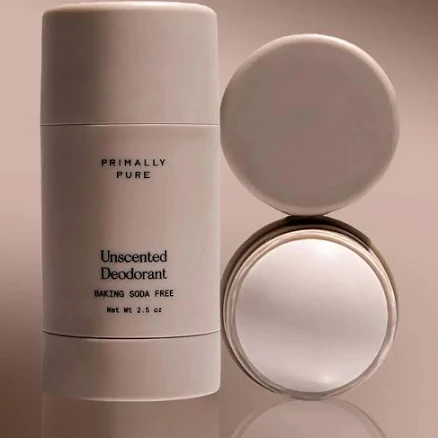
- mineral-based powder blend (arrowroot, magnesium hydroxide, mica)
- We found no PFAS statement from the brand
- Skin irritation from magnesium hydroxide alkalinity
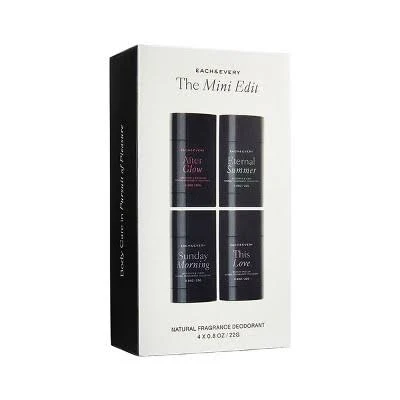
- cosmetic formulations, primary ingredients listed
- A third party reports verifying it as PFAS-free
- Fragrance allergens (natural essential oils)
2 hazards checked on this product, all on its full breakdown.
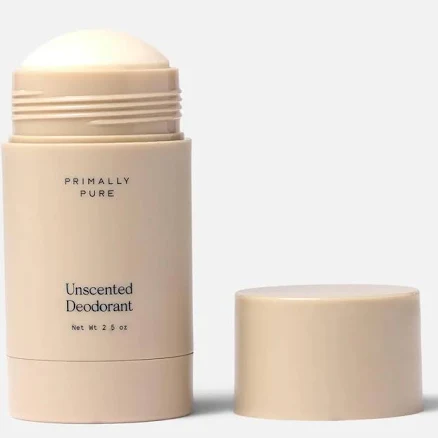
- natural mineral powders, plant-based actives, beeswax
- We found no PFAS statement from the brand
- Beeswax purity and contamination
2 hazards checked on this product, all on its full breakdown.
More deodorant grades
How we score, every product runs through the same public 0-100 rubric based on materials, coatings, brand disclosure, lab findings, and recalls. See the full methodology → Spotted a mistake? Report an error.