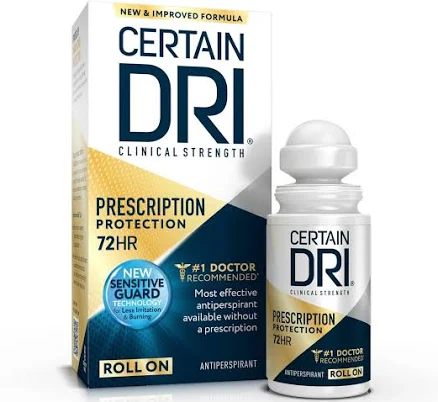
Certain Dri Extra Strength Clinical 72-Hour Antiperspirant Roll-On - 1.2 oz
Lower PFAS concern for typical antiperspirant without water-repellency indicators.
Certain Dri's clinical antiperspirant has no PFAS disclosure. The aluminum chlorohydrate active and standard cosmetic base do not inherently require PFAS.
We flunk more products than we pass. This one earned its grade. How we grade
Material
Aluminum oxide roll-on applicator head; liquid antiperspirant base (typical, aluminum chlorohydrate + alcohol + glycerin
Brand disclosure
Brand is silent on PFAS
Lab data
No public lab test
You may also be interested in
Top-graded picks in the categories readers replace first, every one scored on the same rubric.

- polypropylene filter housing, carbon/sediment cartridge
- We found no PFAS statement from the brand
- Bacterial growth in spent cartridges
3 hazards checked on this product, all on its full breakdown.

Aquasure
Premier Series 75 GPD Under Sink Reverse Osmosis Water Filtration System
- RO membrane, carbon filters, stainless steel housing
- We found no PFAS statement from the brand
- Bacterial and microbial growth in housing and filters
4 hazards checked on this product, all on its full breakdown.

Avocado
Vegan Mattress
- organic cotton, natural latex, coconut coir, recycled steel coils
- The brand calls it PFAS-free, which we have not verified
- Heavy metals
2 hazards checked on this product, all on its full breakdown.
What Certain Dri Extra Strength Roll-On is made of, ingredients and materials
Certain Dri Extra Strength is a liquid antiperspirant delivered via aluminum oxide roll-on ball applicator. The active ingredient is aluminum chlorohydrate, a salt that temporarily blocks sweat ducts; the base typically contains alcohol and glycerin as humectants and carriers. The roll-on applicator eliminates spray inhalation risk and aerosol propellant concerns. No water-repellent or grease-resistant coatings are indicated on the product label, reducing PFAS likelihood in the formulation.
What’s concerning
Category baseline
The starting point for this type of product, before anything specific to this product is counted.
No PFAS disclosure
No public statement from the brand about PFAS in this product.
Skin irritation and contact dermatitis
Alcohol and aluminum salts can trigger localized irritation, especially on freshly shaved or broken skin, or in individuals with atopic dermatitis. Incidence is low but documented; patch testing on inner arm is recommended for sensitive individuals.
Fragrance allergens
Certain Dri Extra Strength contains fragrance compounds (typically masked as 'fragrance' on label) that may trigger contact sensitization in fragrance-reactive individuals. Unscented variants are not marketed under this brand name.
Roll-on applicator material degradation
Aluminum oxide balls can corrode or develop buildup over time if not cleaned; residual formula may harbor bacteria or mold in crevices if the cap is left loose. Visible discoloration warrants applicator replacement.
What’s reassuring
Base material not linked to PFAS
The main material recorded for this product is not one associated with PFAS.
Aluminum absorption (systemic)
Topical aluminum chlorohydrate in antiperspirants does not show established systemic toxicity at typical use rates. Dermatological agencies (AAD, FDA) have approved the ingredient for use in cosmetics; no causal link to Alzheimer's has been substantiated in peer-reviewed research.
Heavy metals
Certain Dri Extra Strength is clear or lightly tinted; no synthetic pigments requiring heavy-metal testing are apparent in the formulation. Standard cosmetic regulations apply and limit lead and cadmium in colorants.
Source, FDA ↗How is this PFAS grade calculated?
The brand's record and disclosure
Certain Dri is owned by Prestige Consumer Healthcare; the brand maintains standard cosmetic ingredient disclosure but does not publish PFAS-free certifications or third-party safety audits. No product recalls, banned-ingredient violations, or documented safety controversies are on record for this line. The brand operates under FDA cosmetic monograph rules and lists ingredients transparently on packaging, meeting baseline regulatory compliance.
How it compares in its category
This product is a mid-tier clinical-strength antiperspirant using aluminum chlorohydrate, the most common active ingredient in North American antiperspirants. It is chemically similar to store-brand and dermatologist-recommended alternatives (Drysol, SweatBlock, Secret Clinical). Roll-on delivery presents lower concern than spray formulations; liquid base avoids talc-contamination risks present in powder antiperspirants.
If you buy it
Apply to clean, dry skin before bed for best efficacy; do not apply to broken or irritated skin. Replace applicator ball if it becomes corroded or discolored from residue buildup, typically after 6-12 months. Store in a cool, dry place away from heat to prevent separation of liquid base. Discontinue use if localized dermatitis or allergic reaction develops; test on a small area first if you have sensitive skin.
What is not known about PFAS in this product?
- Basis
- Model estimate, 72% confidence, not a lab result
- Lab test
- None on record for this exact product
- Brand statement
- Certain Dri has made none
Formulations change between production runs, so check the current label. How we grade.
What are the PFAS-free alternatives to Certain Dri Extra Strength Clinical 72-Hour Antiperspirant Roll-On - 1.2 oz?
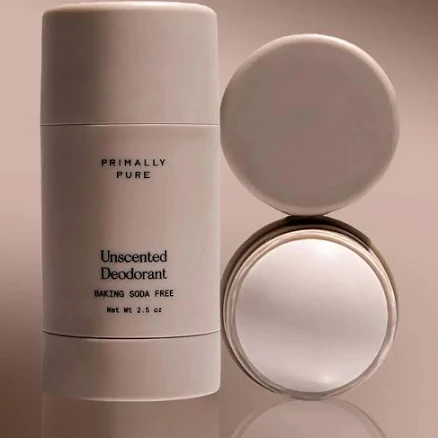
- mineral-based powder blend (arrowroot, magnesium hydroxide, mica)
- We found no PFAS statement from the brand
- Skin irritation from magnesium hydroxide alkalinity
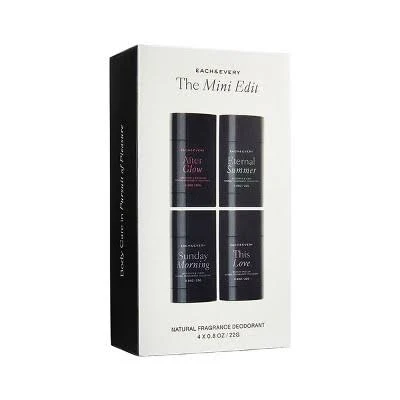
- cosmetic formulations, primary ingredients listed
- A third party reports verifying it as PFAS-free
- Fragrance allergens (natural essential oils)
2 hazards checked on this product, all on its full breakdown.
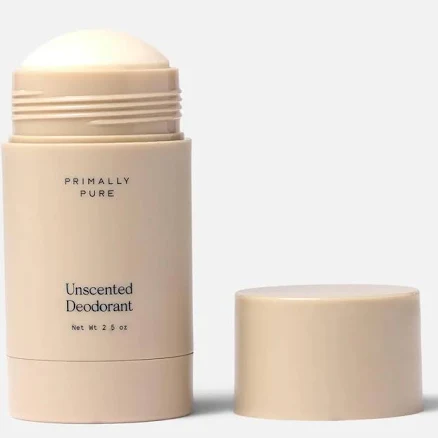
- natural mineral powders, plant-based actives, beeswax
- We found no PFAS statement from the brand
- Beeswax purity and contamination
2 hazards checked on this product, all on its full breakdown.
More deodorant grades
How we score, every product runs through the same public 0-100 rubric based on materials, coatings, brand disclosure, lab findings, and recalls. See the full methodology → Spotted a mistake? Report an error.