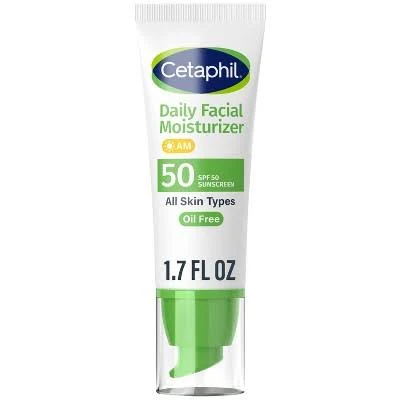
Cetaphil Daily Facial Moisturizer SPF 50
Lower concern for this standard moisturizer with mineral sunscreen.
Water-based sunscreen lotions with mineral blockers pose lower inherent PFAS risk than waterproof textiles or cookware. Cetaphil does not disclose PFAS status.
We flunk more products than we pass. This one earned its grade. How we grade
Material
water-based emulsion, mineral UV filters (likely titanium dioxide and/or zinc oxide)
Brand disclosure
Brand is silent on PFAS
Lab data
No public lab test
You may also be interested in
Top-graded picks in the categories readers replace first, every one scored on the same rubric.

- polypropylene filter housing, carbon/sediment cartridge
- We found no PFAS statement from the brand
- Bacterial growth in spent cartridges
3 hazards checked on this product, all on its full breakdown.

Aquasure
Premier Series 75 GPD Under Sink Reverse Osmosis Water Filtration System
- RO membrane, carbon filters, stainless steel housing
- We found no PFAS statement from the brand
- Bacterial and microbial growth in housing and filters
4 hazards checked on this product, all on its full breakdown.

Avocado
Vegan Mattress
- organic cotton, natural latex, coconut coir, recycled steel coils
- The brand calls it PFAS-free, which we have not verified
- Heavy metals
2 hazards checked on this product, all on its full breakdown.
What Cetaphil Daily Facial Moisturizer SPF 50 is made of, ingredients and materials
Cetaphil Daily Facial Moisturizer SPF 50 is a water-based emulsion using mineral (inorganic) UV filters, most likely titanium dioxide and/or zinc oxide, which sit on the skin surface rather than absorbing into it. Mineral filters are chemically inert and less prone to skin penetration or systemic absorption compared to chemical sunscreen filters like oxybenzone or avobenzone. The water-based formulation reduces the risk of phthalate plasticizers and other oil-soluble contaminants typical of heavier cream vehicles.
What’s concerning
Category baseline
The starting point for this type of product, before anything specific to this product is counted.
No PFAS disclosure
No public statement from the brand about PFAS in this product.
Fragrance allergens
Water-based cosmetics often include fragrance compounds; Cetaphil does not disclose fragrance type (synthetic vs. essential oil). Undisclosed fragrance is a known sensitizer risk for facial products, though Cetaphil's brand positioning targets sensitive skin, suggesting lower fragrance loading than competitors.
1,4-dioxane (manufacturing contaminant)
Water-based emulsions may contain trace 1,4-dioxane as a byproduct of ethoxylated surfactants used in stabilization. Cetaphil does not disclose dioxane testing or mitigation, but levels in rinse-off products like sunscreen are typically below regulatory concern.
What’s reassuring
Base material not linked to PFAS
The main material recorded for this product is not one associated with PFAS.
Titanium dioxide particle size and inhalation risk
This is a cream/lotion, not a spray sunscreen, so inhalation risk is negligible. Particle size and purity of mineral UV filters are not publicly disclosed for this product, but no recalls or safety alerts have been reported.
Heavy metals
Titanium dioxide and zinc oxide are generally well-regulated mineral filters with low contamination risk in cosmetic-grade forms. No testing data is publicly available for this specific formulation, but the brand's long market history and dermatologist endorsement suggest compliance with FDA/EU cosmetic safety standards.
Source, FDA ↗Coating/emulsion stability and separation over time
Water-based mineral sunscreens can separate if stored improperly or held long-term; visual inspection for separation or oil pooling is recommended before use. No recalls specific to this product have been reported for formulation instability.
How is this PFAS grade calculated?
The brand's record and disclosure
Cetaphil is owned by Galderma and has a long history as a dermatologist-recommended brand focused on sensitive skin; the brand does not make explicit PFAS-free claims but maintains a clean public safety profile with no major recalls or disclosed PFAS contamination. The brand does not publish full ingredient transparency or third-party safety certifications (e.g., EWG Verified, Cradle to Cradle), which is typical for mainstream cosmetics. No established controversies regarding this specific product have been reported.
How it compares in its category
Mineral sunscreens like this product occupy a middle ground, they are considered lower concern than chemical-only sunscreens for sensitive skin and are less likely to contain synthetic fragrance allergens or endocrine-active filters. However, they are less elegant cosmetically than hybrid or chemical formulas (can leave white cast, greasier feel) and may not match the transparency of premium indie or certified organic sunscreens. For a mainstream daily moisturizer with SPF, this represents a responsible choice.
If you buy it
Use as directed on clean skin; mineral sunscreens do not require photostability concerns (mineral filters are stable) but do need reapplication every 2 hours if in prolonged sun or water. Store in a cool, dry place away from direct heat; sunscreens can degrade if left in hot cars or direct sunlight for extended periods, reducing efficacy. Discontinue use if any irritation or allergic reaction occurs, though mineral formulas are generally low-allergy risk. Check expiration date before use; sunscreen efficacy degrades over time, typically within 3 years.
What is not known about PFAS in this product?
- Basis
- Model estimate, 72% confidence, not a lab result
- Lab test
- None on record for this exact product
- Brand statement
- Cetaphil has made none
Formulations change between production runs, so check the current label. How we grade.
What are the PFAS-free alternatives to Cetaphil Daily Facial Moisturizer SPF 50?
- Mineral sunscreen, zinc oxide base
- A third party reports verifying it as PFAS-free
- 1,4-dioxane (non-intentional contaminant from surfactants/emulsifiers)
2 hazards checked on this product, all on its full breakdown.
- mineral sunscreen (zinc oxide or titanium dioxide base)
- The brand calls it PFAS-free, which we have not verified
- Synthetic fragrance allergens
More sunscreen grades
How we score, every product runs through the same public 0-100 rubric based on materials, coatings, brand disclosure, lab findings, and recalls. See the full methodology → Spotted a mistake? Report an error.