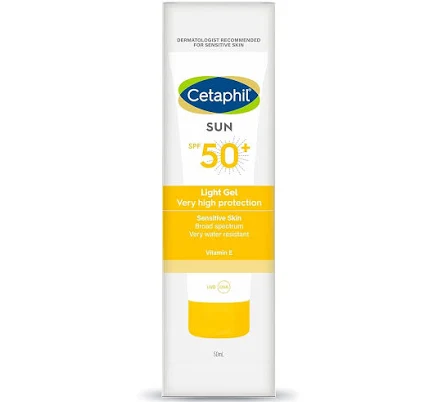
Cetaphil Sun Light Gel SPF 50+
Sunscreen with no fluorinated ingredient on record, and no PFAS statement from the brand.
Cetaphil has no PFAS statement on record for this sunscreen. Our record does not include an ingredient-level check, so look for fluorinated ingredients such as Teflon-type coating on the label.
We flunk more products than we pass. This one earned its grade. How we grade
Material
aqueous gel with humectants and UV filters (oxybenzone/octinoxate or mineral filters)
Brand disclosure
Brand is silent on PFAS
Lab data
No public lab test
You may also be interested in
Top-graded picks in the categories readers replace first, every one scored on the same rubric.

- polypropylene filter housing, carbon/sediment cartridge
- We found no PFAS statement from the brand
- Bacterial growth in spent cartridges
3 hazards checked on this product, all on its full breakdown.

Aquasure
Premier Series 75 GPD Under Sink Reverse Osmosis Water Filtration System
- RO membrane, carbon filters, stainless steel housing
- We found no PFAS statement from the brand
- Bacterial and microbial growth in housing and filters
4 hazards checked on this product, all on its full breakdown.

Avocado
Vegan Mattress
- organic cotton, natural latex, coconut coir, recycled steel coils
- The brand calls it PFAS-free, which we have not verified
- Heavy metals
2 hazards checked on this product, all on its full breakdown.
What Cetaphil Sun Light Gel SPF 50+ is made of, ingredients and materials
Cetaphil Sun Light Gel SPF 50+ is an aqueous gel base (water-heavy formulation) containing either oxybenzone and octinoxate (organic UV filters) or mineral filters such as zinc oxide or titanium dioxide, depending on regional variant. The gel matrix includes humectants like glycerin to retain moisture and reduce evaporation. No fluorinated compounds or Teflon-type coating-based ingredients are listed on public product information, eliminating a primary source of PFAS in personal-care products.
What’s concerning
Category baseline
The starting point for this type of product, before anything specific to this product is counted.
No PFAS disclosure
No public statement from the brand about PFAS in this product.
Endocrine disruptors
If this formulation uses oxybenzone rather than mineral filters, some in vitro and animal studies suggest potential endocrine activity, though human risk from topical sunscreen use remains contested and not conclusively established. Regulatory agencies (FDA, EMA) have not banned oxybenzone in sunscreens, and dermatological guidance does not classify it as a prohibited ingredient.
Source, NIEHS ↗Formaldehyde / VOCs
Aqueous gels require antimicrobial preservatives; common choices in sunscreens include imidazolidinyl urea or dmdm hydantoin, which can slowly release formaldehyde at trace levels. Risk is low for typical topical use, but individuals with formaldehyde sensitivity or damaged skin barrier may experience contact dermatitis.
Source, ATSDR ↗Fragrance allergens
Cetaphil Sun Light Gel is often marketed as fragrance-free or lightly scented; if fragrance is included, common allergens such as limonene or eugenol may be present. Individuals with fragrance sensitivity should confirm unscented status on the label.
What’s reassuring
Base material not linked to PFAS
The main material recorded for this product is not one associated with PFAS.
Heavy metals
Zinc oxide and titanium dioxide, if present as mineral filters, are not known to leach lead or cadmium at levels of concern in sunscreen formulations. No recalls or contamination records exist for Cetaphil sunscreen lines on this basis.
Source, FDA ↗Talc contamination (if talc-based variant)
This product is a gel formulation and not typically talc-based. If a powder or compact sunscreen variant exists under the Cetaphil Sun line, talc status should be checked separately; no asbestos contamination records exist for Cetaphil sunscreens.
How is this PFAS grade calculated?
The brand's record and disclosure
Cetaphil is owned by Galderma and marketed as dermatologist-recommended for sensitive skin. The brand does not publish a formal PFAS disclosure statement or sustainability report detailing its supply-chain chemistry. No recalls specifically for heavy metals, formaldehyde, or chemical contaminants have been recorded for this sunscreen line in public FDA or regulatory databases. The brand's positioning on sensitive-skin safety suggests routine testing for irritants and allergens, though specific third-party certifications for this product line are not publicly documented.
How it compares in its category
Aqueous gel sunscreens are less prone to off-gassing and VOC emissions than spray formulations or products containing volatile solvents. This product's reliance on mineral or common organic UV filters places it in the mainstream dermatological sunscreen category, without exotic or novel filter chemistry that would carry higher uncertainty. Compared to powder or talc-based sunscreens, a gel formulation avoids inhalation and talc-contamination risks, though it requires preservatives to prevent microbial growth in the water phase.
If you buy it
Store in a cool, dry place and avoid prolonged heat (sunscreens degrade above 25-30C, reducing efficacy but not creating hazardous breakdown products under normal consumer storage). Replace sunscreen annually or when separation, discoloration, or odor changes are visible. Apply generously and reapply every 2 hours or after swimming or sweating. If redness, burning, or rash develops, discontinue and rinse with water; contact dermatologist if irritation persists.
What is not known about PFAS in this product?
- Basis
- Model estimate, 35% confidence, not a lab result
- Lab test
- None on record for this exact product
- Brand statement
- Cetaphil has made none
Formulations change between production runs, so check the current label. How we grade.
What are the PFAS-free alternatives to Cetaphil Sun Light Gel SPF 50+?
- Mineral sunscreen, zinc oxide base
- A third party reports verifying it as PFAS-free
- 1,4-dioxane (non-intentional contaminant from surfactants/emulsifiers)
2 hazards checked on this product, all on its full breakdown.
- mineral sunscreen (zinc oxide or titanium dioxide base)
- The brand calls it PFAS-free, which we have not verified
- Synthetic fragrance allergens
More sunscreen grades
How we score, every product runs through the same public 0-100 rubric based on materials, coatings, brand disclosure, lab findings, and recalls. See the full methodology → Spotted a mistake? Report an error.