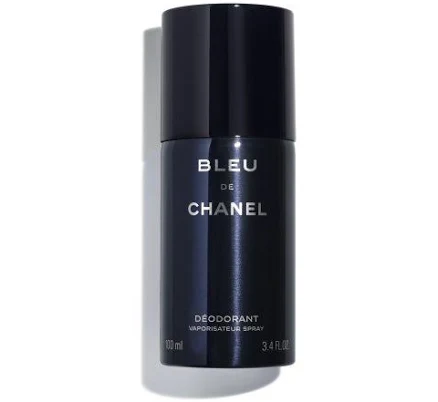
Chanel Bleu De Deodorant Spray
Lower concern for typical fragrance spray with no known PFAS-prone ingredients.
Chanel Bleu De Deodorant Spray is an alcohol-based fragrance spray without water-resistant or grease-resistant coatings that would require PFAS. The brand makes no PFAS claims.
We flunk more products than we pass. This one earned its grade. How we grade
Material
Aerosol spray fragrance (alcohol base, fragrance compounds, propellant)
Lab data
No public lab test
You may also be interested in
Top-graded picks in the categories readers replace first, every one scored on the same rubric.

- polypropylene filter housing, carbon/sediment cartridge
- We found no PFAS statement from the brand
- Bacterial growth in spent cartridges
3 hazards checked on this product, all on its full breakdown.

Aquasure
Premier Series 75 GPD Under Sink Reverse Osmosis Water Filtration System
- RO membrane, carbon filters, stainless steel housing
- We found no PFAS statement from the brand
- Bacterial and microbial growth in housing and filters
4 hazards checked on this product, all on its full breakdown.

Avocado
Vegan Mattress
- organic cotton, natural latex, coconut coir, recycled steel coils
- The brand calls it PFAS-free, which we have not verified
- Heavy metals
2 hazards checked on this product, all on its full breakdown.
What Chanel Bleu De Deodorant Spray is made of, ingredients and materials
Chanel Bleu de Deodorant Spray is an alcohol-based aerosol fragrance spray, typical of luxury deodorant products. The formulation contains fragrance compounds (proprietary blend), alcohol as the solvent carrier, and a hydrocarbon or compressed-gas propellant to aerosolize the liquid. The alcohol base is volatile and evaporates quickly on skin, which reduces prolonged contact exposure; however, inhalation of aerosolized fragrance particles during application is inherent to the delivery method.
What’s concerning
Category baseline
The starting point for this type of product, before anything specific to this product is counted.
No PFAS disclosure
No public statement from the brand about PFAS in this product.
Fragrance compound allergens and sensitizers
Chanel's fragrance is proprietary and undisclosed. Common fragrance allergens (limonene, linalool, eugenol) are frequent in luxury scents and can trigger contact dermatitis or respiratory sensitivity in susceptible individuals; no specific fragrance allergen data is available for this product.
Inhalation exposure to aerosolized propellant and fragrance volatiles
Aerosol spray delivery creates aerosolized particles and volatile organic compounds (VOCs) that are inhaled during and shortly after application. Exposure is typically brief and intermittent, but individuals with asthma or respiratory sensitivity may experience irritation; repeated inhalation in poorly ventilated spaces increases risk.
Skin irritation from alcohol and fragrance combination
The high alcohol content and fragrance compounds together can strip skin or cause irritation, especially on sensitive skin, underarm skin, or areas with nicks from shaving. This is a formulation-inherent risk common to alcohol-based spray deodorants, not unique to this brand.
What’s reassuring
Base material not linked to PFAS
The main material recorded for this product is not one associated with PFAS.
1,4-dioxane contamination (fragrance solvent byproduct)
1,4-dioxane is a potential trace contaminant in fragrance ingredients, but no testing or recalls are on record for Chanel Bleu deodorant specifically. Alcohol-based formulations reduce (but do not eliminate) this risk compared to water-based cosmetics.
Propellant toxicity (hydrocarbon or compressed gas)
Modern cosmetic propellants (typically isobutane, isopentane, or compressed CO2) are approved by the FDA and EU for use in cosmetic doses when used as directed. No safety issues are established for this product's propellant unless canisters are intentionally inhaled or misused.
How is this PFAS grade calculated?
The brand's record and disclosure
Chanel does not publish ingredient transparency reports or third-party safety certifications for this product beyond regulatory compliance. The brand has not faced major recalls or public safety controversies tied to this deodorant line. However, like most luxury fragrance houses, Chanel keeps fragrance compound lists proprietary (legally protected as trade secrets under cosmetic regulations in the EU and US), which limits independent verification of specific chemical components.
How it compares in its category
Aerosol fragrance deodorants occupy a middle ground, they lack the aluminum-based antiperspirant actives found in clinical-strength roll-ons or stick deodorants, which removes that exposure concern. They also avoid talc or powder bases that carry historical contamination risks. However, aerosol delivery poses inhalation exposure to fragrance compounds and propellants compared to non-aerosolized alternatives; this product carries standard concern for its format, not notably lower or higher risk than comparable designer spray deodorants.
If you buy it
Apply in short bursts at arm's length; prolonged spraying or inhalation of the mist increases fragrance volatilization and potential respiratory irritation, especially in enclosed spaces. Avoid spraying near the face or over broken skin. Store in a cool place away from heat sources (propellant is pressure-sensitive). Discontinue use if skin irritation, respiratory symptoms, or allergic reaction develops; fragrance compounds are common allergens. Replace when propellant pressure weakens noticeably (typically 12-18 months of regular use).
What is not known about PFAS in this product?
- Basis
- Model estimate, 72% confidence, not a lab result
- Lab test
- None on record for this exact product
- Brand statement
- Chanel has made a specific claim
Formulations change between production runs, so check the current label. How we grade.
What are the PFAS-free alternatives to Chanel Bleu De Deodorant Spray?
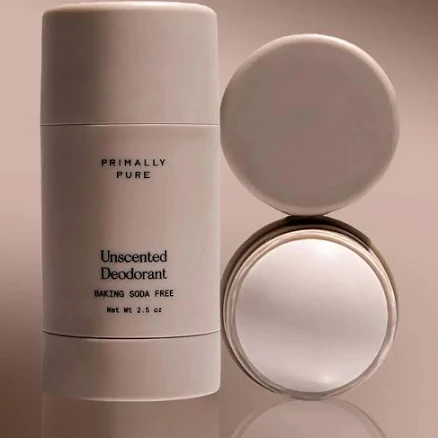
- mineral-based powder blend (arrowroot, magnesium hydroxide, mica)
- We found no PFAS statement from the brand
- Skin irritation from magnesium hydroxide alkalinity
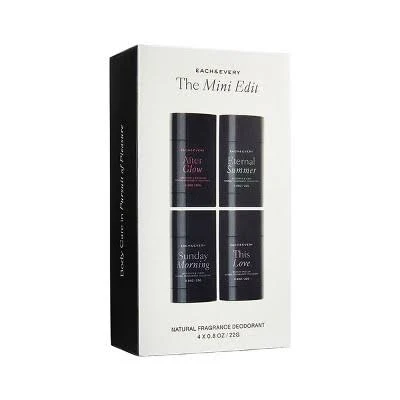
- cosmetic formulations, primary ingredients listed
- A third party reports verifying it as PFAS-free
- Fragrance allergens (natural essential oils)
2 hazards checked on this product, all on its full breakdown.
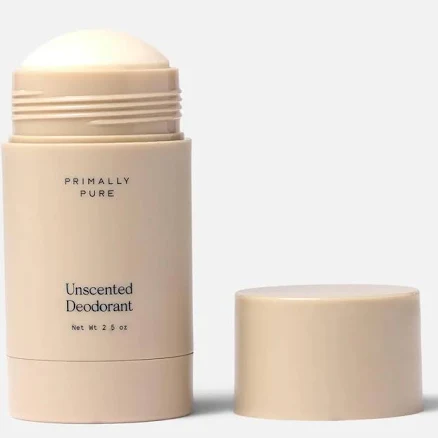
- natural mineral powders, plant-based actives, beeswax
- We found no PFAS statement from the brand
- Beeswax purity and contamination
2 hazards checked on this product, all on its full breakdown.
More deodorant grades
How we score, every product runs through the same public 0-100 rubric based on materials, coatings, brand disclosure, lab findings, and recalls. See the full methodology → Spotted a mistake? Report an error.