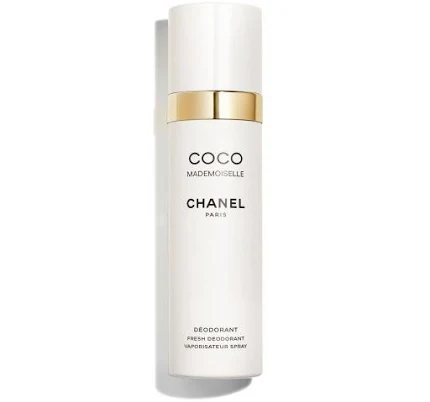
Chanel Coco Mademoiselle Deodorant Spray
Lower concern for standard aerosol fragrance with no identified risk.
Chanel Coco Mademoiselle Deodorant Spray is a fragrance-based aerosol without documented PFAS ingredients or waterproofing treatments. The brand does not disclose PFAS status.
We flunk more products than we pass. This one earned its grade. How we grade
Material
alcohol, fragrance, propellant spray
Lab data
No public lab test
You may also be interested in
Top-graded picks in the categories readers replace first, every one scored on the same rubric.

- polypropylene filter housing, carbon/sediment cartridge
- We found no PFAS statement from the brand
- Bacterial growth in spent cartridges
3 hazards checked on this product, all on its full breakdown.

Aquasure
Premier Series 75 GPD Under Sink Reverse Osmosis Water Filtration System
- RO membrane, carbon filters, stainless steel housing
- We found no PFAS statement from the brand
- Bacterial and microbial growth in housing and filters
4 hazards checked on this product, all on its full breakdown.

Avocado
Vegan Mattress
- organic cotton, natural latex, coconut coir, recycled steel coils
- The brand calls it PFAS-free, which we have not verified
- Heavy metals
2 hazards checked on this product, all on its full breakdown.
What Chanel Coco Mademoiselle Deodorant Spray is made of, ingredients and materials
Coco Mademoiselle Deodorant Spray is an alcohol-based aerosol formulation typical of luxury fragrance deodorants. The base is primarily ethanol or isopropanol, which evaporates quickly and carries fragrance compounds and the active deodorant agents. Propellant gases (likely hydrocarbons or compressed gas) aerosolize the liquid. No talc, aluminum compounds, or particulate antiperspirant actives are listed in the standard formulation, which eliminates several common deodorant hazard pathways.
What’s concerning
Category baseline
The starting point for this type of product, before anything specific to this product is counted.
No PFAS disclosure
No public statement from the brand about PFAS in this product.
Fragrance compound allergenicity
Proprietary fragrance blend in Coco Mademoiselle contains multiple essential oil components and synthetic musks. Individual sensitivity varies; established allergens in fragrance mixtures include limonene, linalool, and geraniol. No recalls or widespread adverse events are documented for this specific product, but fragrance-sensitive individuals should patch-test or avoid.
Inhalation exposure to aerosolized alcohol and propellant
Spray application releases fine mist of ethanol/isopropanol and propellant gas. Acute inhalation at high doses can cause respiratory irritation or CNS effects; routine use in ventilated spaces poses minimal risk. Users with asthma, chronic respiratory disease, or chemical sensitivity should exercise caution and use in well-ventilated areas.
Aerosol container rupture under heat
All pressurized aerosol deodorants carry risk of rupture if exposed to temperatures above 50°C or direct flame. This is a general hazard of the format, not specific to Chanel, but improper storage (near heat sources, in hot cars) can create burn or injury risk.
What’s reassuring
Base material not linked to PFAS
The main material recorded for this product is not one associated with PFAS.
1,4-dioxane (residual solvent contaminant)
1,4-dioxane can be a trace contaminant in cosmetics containing ethoxylated ingredients. No testing data or recalls have been reported for Coco Mademoiselle Deodorant Spray. This hazard is noted as a category-wide monitoring issue for alcohol-based sprays but is not a confirmed issue for this product.
Heavy metals
No cosmetic-grade dyes or pigments are listed in the standard formulation. Chanel does not disclose preservative systems, but luxury cosmetic lines typically avoid legacy preservatives with heavy metal concerns. No test results or regulatory findings of heavy metal contamination exist for this product.
Source, FDA ↗How is this PFAS grade calculated?
The brand's record and disclosure
Chanel does not publicly disclose full ingredient lists beyond regulatory minima or volunteer detailed safety assessments for deodorants. The brand complies with EU, US, and other regional cosmetic regulations but maintains proprietary fragrance compositions (declared as 'fragrance' or 'parfum' on labels per regulations). No significant safety recalls, formaldehyde-releaser violations, or heavy metal contamination events have been established for this product line. Chanel's parent company (Luxottica/LVMH) has faced general scrutiny on sustainability and chemical transparency but not product-specific safety failures for this deodorant.
How it compares in its category
Aerosol fragrance deodorants occupy a middle tier of hazard profile, higher chemical simplicity than antiperspirants (no aluminum salts) but more fragrance load than unscented sprays. Coco Mademoiselle's alcohol base is standard and does not present acute toxicity risks at use volumes. Compared to solid stick or powder deodorants, spray formats eliminate talc inhalation and particulate accumulation, but introduce inhalation of fine aerosolized alcohol and fragrance. This product is broadly comparable to other luxury fragrance deodorants (e.g., Dior, Tom Ford) in composition and risk profile.
If you buy it
Use in well-ventilated areas to minimize inhalation of propellant and fragrance aerosol, especially during application. Avoid spraying directly into the face or breathing in the mist. Do not store above 50°C (122°F) or expose to direct flame, as aerosol cans can rupture under heat. Discontinue use if skin irritation, redness, or contact dermatitis develops; some individuals may react to fragrance compounds or alcohol. Replace when the spray mechanism fails or output becomes inconsistent, typically after 6-12 months of regular use.
What is not known about PFAS in this product?
- Basis
- Model estimate, 72% confidence, not a lab result
- Lab test
- None on record for this exact product
- Brand statement
- Chanel has made a specific claim
Formulations change between production runs, so check the current label. How we grade.
What are the PFAS-free alternatives to Chanel Coco Mademoiselle Deodorant Spray?
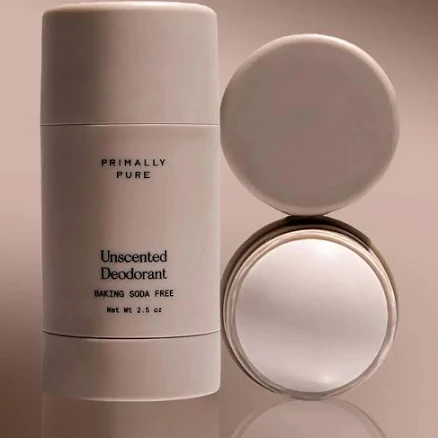
- mineral-based powder blend (arrowroot, magnesium hydroxide, mica)
- We found no PFAS statement from the brand
- Skin irritation from magnesium hydroxide alkalinity
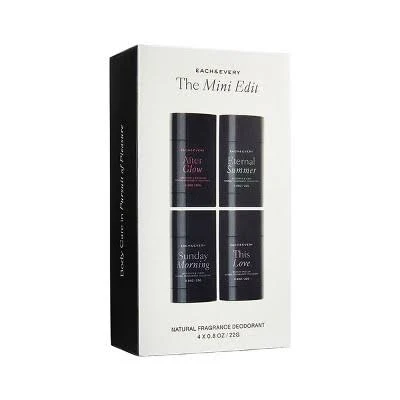
- cosmetic formulations, primary ingredients listed
- A third party reports verifying it as PFAS-free
- Fragrance allergens (natural essential oils)
2 hazards checked on this product, all on its full breakdown.
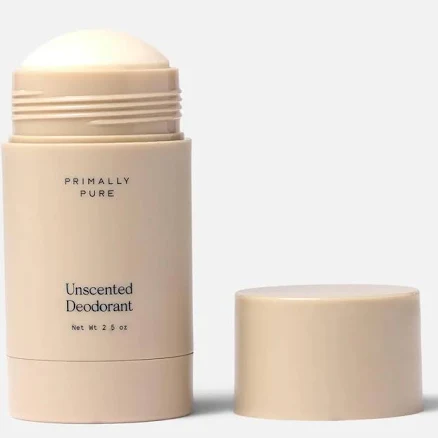
- natural mineral powders, plant-based actives, beeswax
- We found no PFAS statement from the brand
- Beeswax purity and contamination
2 hazards checked on this product, all on its full breakdown.
More deodorant grades
How we score, every product runs through the same public 0-100 rubric based on materials, coatings, brand disclosure, lab findings, and recalls. See the full methodology → Spotted a mistake? Report an error.