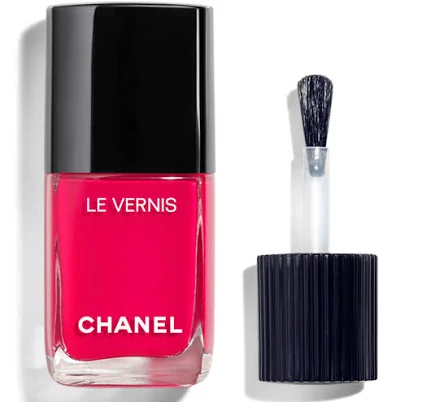
Chanel · Nail Polish & Top Coat
CHANEL Le Vernis Longwear Nail Colour - One size
No public PFAS disclosure; nail polish formulae aren't typically PFAS-heavy.
Chanel makes no public PFAS disclosure and doesn't commit to PFAS-free formulation for this polish. Nail products generally carry lower PFAS risk than water-resistant cosmetics.
The better-graded swap
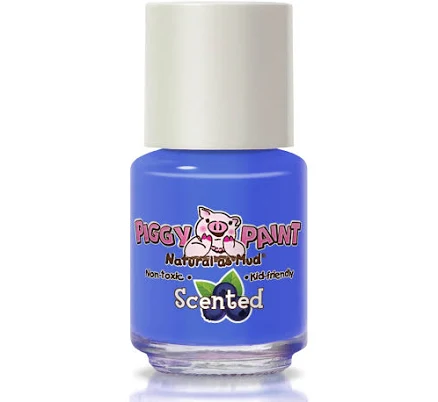
Piggy Paint
Nail Polish Piggy Paint
100/100 safety
Same rubric that flunked this product. The swap earned Excellent.
Still want this one anyway? Check the price on Amazon. We’d swap it.
Material
nitrocellulose lacquer-based nail polish with resins and plasticizers
Lab data
No public lab test
Is CHANEL Le Vernis Longwear Nail Colour non-toxic? What it is made of
Chanel Le Vernis uses a nitrocellulose lacquer base, a standard film-former in nail polish that hardens quickly and provides durable color. The formula includes organic resins (for adhesion and gloss) and plasticizers (typically phthalate-class compounds) to reduce brittleness and cracking. This chemistry is typical across the nail polish category and does not inherently present acute toxicity risks during normal application or wear, though ingredients merit scrutiny for chronic exposure during professional nail work.
What’s concerning
Category baseline
The starting point for this type of product, before anything specific to this product is counted.
No PFAS disclosure
No public statement from the brand about PFAS in this product.
Phthalates
Standard nail lacquers historically use dibutyl phthalate (DBP) or other phthalate esters to soften the nitrocellulose film. Chanel does not publicly confirm or deny phthalate content in Le Vernis; EU regulation allows DBP in nail polish up to 8% by weight. Consumer risk during occasional use is low, but chronic occupational exposure (manicurists) is a known concern.
Source, ATSDR ↗Formaldehyde / VOCs
Some nail polishes include formaldehyde or formaldehyde-releasing resins (e.g., tosylamide-formaldehyde resin) for hardness and gloss. No public testing confirms or rules out these in Le Vernis. Exposure during application is brief; volatile formaldehyde levels in consumer nail polish are generally low relative to occupational limits.
Source, ATSDR ↗Volatile organic compounds (VOCs) and inhalation risk
All nitrocellulose lacquers release organic solvents (acetone, ethyl acetate, butyl acetate) during and shortly after application. Proper ventilation mitigates acute symptoms; consumers applying at home face minimal risk, whereas manicurists with daily exposure may experience headaches, respiratory irritation, or dizziness.
Fragrance allergens
Chanel nail polishes are scented (typically with fruity or floral notes); fragrance compounds can trigger allergic contact dermatitis in sensitive individuals. The specific fragrance mix in Le Vernis is not disclosed, and Chanel does not list individual fragrance components (INCI does not require fragrance transparency).
What’s reassuring
Base material not linked to PFAS
The main material recorded for this product is not one associated with PFAS.
Heavy metals
No recalls or public safety alerts document lead, cadmium, or arsenic in Chanel Le Vernis specifically. Nail polish colorants are subject to cosmetic safety oversight, and this luxury brand's pigment supply chains are likely monitored; however, no independent testing results are publicly available.
Source, FDA ↗The full breakdown
The brand's record and disclosure
Chanel does not publicly disclose detailed ingredient safety testing or third-party certifications for Le Vernis, and maintains a largely silent stance on PFAS and other emerging chemical concerns in cosmetics. The brand has not faced major regulatory actions or recalls specific to this nail lacquer line in the US or EU. Chanel's transparency lags behind some competitors who voluntarily remove certain chemicals (e.g., dibutyl phthalate) or pursue clean beauty certifications.
How it compares in its category
Chanel Le Vernis occupies the premium segment but does not differentiate on ingredient safety; many drugstore and mid-market polishes now exclude or reduce phthalates, formaldehyde, and formaldehyde resin, whereas Chanel's formula is not marketed as reformulated on these lines. Brands like Ella+Mila, Zoya, and Nails Inc. have published cleaner formulations and better ingredient transparency. Le Vernis competes on color range, durability, and brand prestige rather than safety innovation.
If you buy it
Apply in a well-ventilated space or outdoors to minimize inhalation of volatile organic compounds; short-term exposure during application is low-risk for consumers, but chronic exposure (e.g., professional manicurists) warrants respiratory precaution. Avoid contact with skin or lips; wash hands after application. Remove polish with non-acetone remover if sensitive to acetone fumes. Replace if the formula becomes thick, separates, or develops an odor, signaling degradation and potential solvent loss.
What we don’t know
- Basis
- Model estimate, 45% confidence, not a lab result
- Lab test
- None on record for this exact product
- Brand statement
- Chanel has made a specific claim
Formulations change between production runs, so check the current label. How we grade.
Better-graded alternatives in Nail Polish & Top Coat
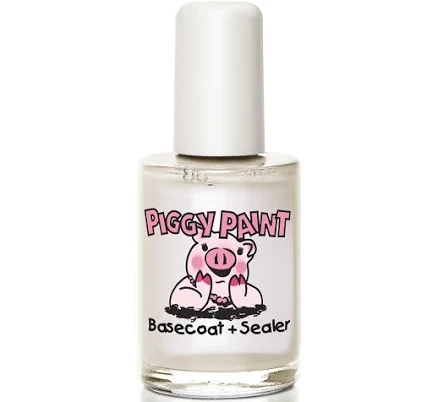
Piggy Paint
Basecoat & Sealer Nail Polish
- Water-based organic pigments and plant-derived resins
- The brand calls it PFAS-free, which we have not verified
- Heavy metals
3 hazards checked on this product. See all of them.
Piggy Paint
Nail Polish Piggy Paint
- water-based pigmented lacquer
- The brand calls it PFAS-free, which we have not verified
- Volatile organic compounds (VOCs) from resins and solvents
3 hazards checked on this product. See all of them.
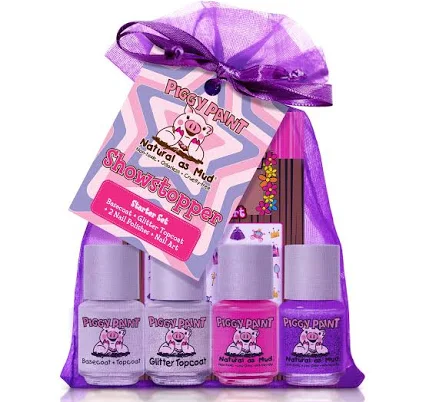
Piggy Paint
Showstopper Nail Polish Set
- organic pigments, plant-based resins, water-based lacquer
- The brand calls it PFAS-free, which we have not verified
- Volatile organic compounds (VOCs)
2 hazards checked on this product. See all of them.
More nail polish & top coat grades
How we score, every product runs through the same public 0-100 rubric based on materials, coatings, brand disclosure, lab findings, and recalls. See the full methodology → Spotted a mistake? Report an error.