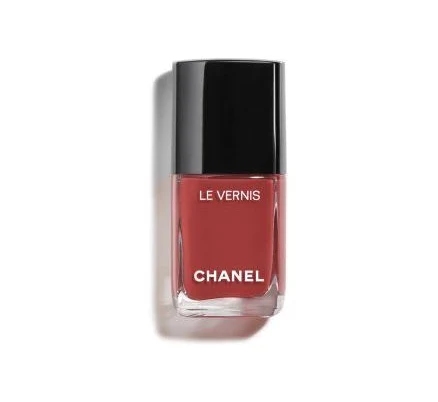
Chanel · Nail Polish & Top Coat
Chanel Le Vernis Nail
Low-medium PFAS concern for typical polish; Chanel hasn't disclosed PFAS use.
This conventional lacquer shows no known PFAS-prone functional features like water-resistance or stain-resistance. Chanel doesn't publicly disclose PFAS content or claim PFAS-free status.
We flunk more products than we pass. This one earned its grade. How we grade
Material
nitrocellulose, plasticizers, resins (typical nail lacquer)
Lab data
No public lab test
Is Chanel Le Vernis Nail non-toxic? What it is made of
Chanel Le Vernis is a traditional nail lacquer based on nitrocellulose (a film-former), plasticizers (typically dibutyl phthalate or alternatives in reformulated versions), resins, and solvents. Nitrocellulose itself is inert once dried on the nail. The primary exposure route during application is inhalation of volatile organic compounds (VOCs) from solvents like toluene, xylene, and formaldehyde during the drying phase. Plasticizers impart flexibility to prevent chipping; modern formulations increasingly replace phthalates, though ingredient transparency from Chanel remains limited.
What’s concerning
Category baseline
The starting point for this type of product, before anything specific to this product is counted.
No PFAS disclosure
No public statement from the brand about PFAS in this product.
Volatile organic compounds (VOCs) and solvent inhalation
Nitrocellulose lacquers release toluene, xylene, and other solvents during application and drying. Acute effects from brief exposure in unventilated spaces include headache and dizziness; chronic inhalation risk is low for occasional users but not negligible for frequent or professional application.
Phthalate plasticizers (DBP, DHP, DEHP)
Chanel does not disclose plasticizer identity; typical lacquers contain dibutyl phthalate (DBP) as a standard ingredient. EU has restricted DBP in cosmetics since 2015, but enforcement varies. If Chanel reformulated, phthalate exposure would be minimal; if not, dermal absorption from nail polish is negligible, but inhalation of aerosolized particles during drying poses low-level exposure.
Coating degradation and nail damage
Long-wear lacquers can cause nail brittleness with repeated use if nails are not allowed to breathe between applications. Chanel Le Vernis is a standard formula; no accelerated brittleness has been documented, but individual sensitivity varies with nail health and removal method (acetone vs. non-acetone remover).
What’s reassuring
Base material not linked to PFAS
The main material recorded for this product is not one associated with PFAS.
Formaldehyde / VOCs
No public documentation links Chanel Le Vernis to formaldehyde-releasing preservatives. Formaldehyde itself is a minor solvent in some lacquers but is not a primary concern in nail polish; any levels would be below EU cosmetics limits.
Source, ATSDR ↗Heavy metals
No specific testing or regulatory action has been documented against Chanel nail polish for lead, cadmium, or chromium in mica or iron oxide pigments. EU cosmetics rules set limits on heavy metals; Chanel as a European luxury brand is subject to these. No recalls on record.
Source, FDA ↗The full breakdown
The brand's record and disclosure
Chanel has not published ingredient lists or safety testing data for Le Vernis on its public-facing materials. The brand does not prominently disclose phthalate status, heavy metal testing, or third-party certifications. No major recalls, bans, or regulatory actions against Chanel nail polish have been documented in the US or EU. Chanel's parent company (Luxottica Group) operates under French and EU cosmetics regulations but does not voluntarily exceed legal disclosure requirements.
How it compares in its category
Chanel Le Vernis sits at the premium end of traditional nail lacquers; its formulation is chemically standard and not differentiated by safety claims. Brands like Zoya and Ella+Mila explicitly market phthalate-free and low-VOC formulas with full ingredient disclosure, offering a higher transparency baseline. Budget polishes (Sally Hansen, OPI) use identical base chemistries. Chanel's lack of public safety positioning is typical for luxury cosmetics but offers less assurance than peer brands that proactively communicate reformulation.
If you buy it
Apply in a well-ventilated space or near an open window to minimize inhalation of solvent vapors during the 5-10 minute drying window. Do not use near heat sources or open flames. Replace every 6-12 months or if the formula thickens or separates, as reformulated solvents may migrate. Avoid prolonged skin contact with wet polish; wash hands after application. Pregnant individuals or those sensitive to chemical odors may consider phthalate-free brands with published ingredient lists as an alternative.
What we don’t know
- Basis
- Model estimate, 72% confidence, not a lab result
- Lab test
- None on record for this exact product
- Brand statement
- Chanel has made a specific claim
Formulations change between production runs, so check the current label. How we grade.
Better-graded alternatives in Nail Polish & Top Coat
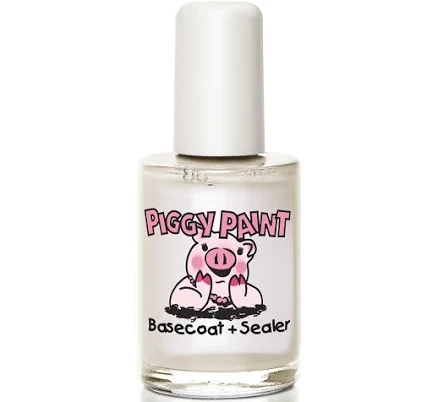
Piggy Paint
Basecoat & Sealer Nail Polish
- Water-based organic pigments and plant-derived resins
- The brand calls it PFAS-free, which we have not verified
- Heavy metals
3 hazards checked on this product. See all of them.
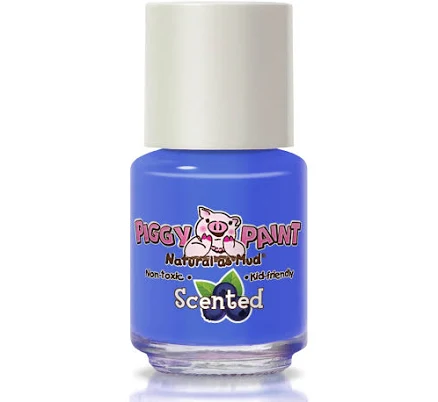
Piggy Paint
Nail Polish Piggy Paint
- water-based pigmented lacquer
- The brand calls it PFAS-free, which we have not verified
- Volatile organic compounds (VOCs) from resins and solvents
3 hazards checked on this product. See all of them.
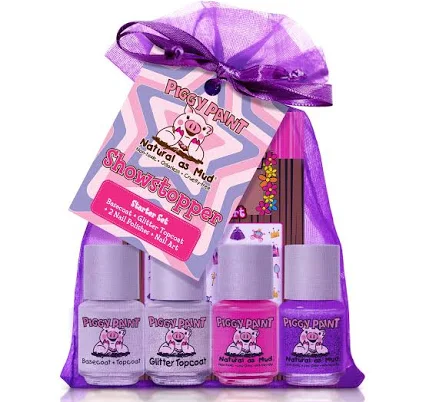
Piggy Paint
Showstopper Nail Polish Set
- organic pigments, plant-based resins, water-based lacquer
- The brand calls it PFAS-free, which we have not verified
- Volatile organic compounds (VOCs)
2 hazards checked on this product. See all of them.
More nail polish & top coat grades
How we score, every product runs through the same public 0-100 rubric based on materials, coatings, brand disclosure, lab findings, and recalls. See the full methodology → Spotted a mistake? Report an error.