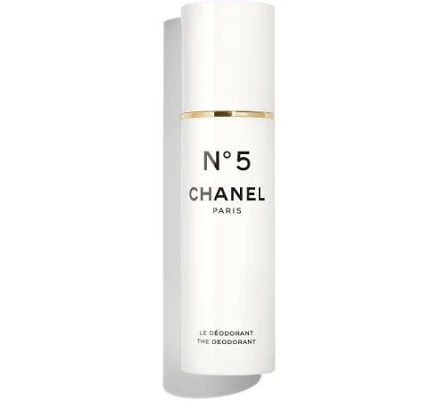
CHANEL N°5 The Deodorant Fragrance
No PFAS-linked material recorded, but brand transparency is absent.
CHANEL N°5 The Deodorant Fragrance contains alcohol and fragrance compounds, neither linked to PFAS. Chanel has no PFAS statement on record for this product. The aerosol propellant chemistry is not stated.
We flunk more products than we pass. This one earned its grade. How we grade
Material
Alcohol, fragrance compounds, propellant in aerosol deodorant
Lab data
No public lab test
You may also be interested in
Top-graded picks in the categories readers replace first, every one scored on the same rubric.

- polypropylene filter housing, carbon/sediment cartridge
- We found no PFAS statement from the brand
- Bacterial growth in spent cartridges
3 hazards checked on this product, all on its full breakdown.

Aquasure
Premier Series 75 GPD Under Sink Reverse Osmosis Water Filtration System
- RO membrane, carbon filters, stainless steel housing
- We found no PFAS statement from the brand
- Bacterial and microbial growth in housing and filters
4 hazards checked on this product, all on its full breakdown.

Avocado
Vegan Mattress
- organic cotton, natural latex, coconut coir, recycled steel coils
- The brand calls it PFAS-free, which we have not verified
- Heavy metals
2 hazards checked on this product, all on its full breakdown.
What CHANEL N°5 The Deodorant Fragrance is made of, ingredients and materials
Chanel N°5 The Deodorant Fragrance is an alcohol-based spray deodorant containing the iconic fragrance compound blend (aldehydes, florals, and woody notes) plus propellant in an aerosol canister. Alcohol serves as both solvent and antimicrobial; propellants are typically hydrocarbons or compressed gases. This formulation avoids aluminum antiperspirant, so it does not carry the typical antiperspirant-safety debate, though it is deodorant-only (odor masking, not sweat reduction). The fragrance component is a proprietary blend that Chanel does not publicly disclose in detail, which limits independent hazard assessment.
What’s concerning
Category baseline
The starting point for this type of product, before anything specific to this product is counted.
No PFAS disclosure
No public statement from the brand about PFAS in this product.
Fragrance allergens (undisclosed composition)
Chanel N°5 contains proprietary fragrance compounds (aldehydes, linalool, limonene likely present based on classic formula notes) not itemized on label. Fragrance is a documented contact allergen and respiratory irritant in susceptible individuals; lack of ingredient transparency prevents prediction of personal reaction risk.
Alcohol skin irritation
Alcohol content (typically 60-80% by volume in fragrance deodorants) can cause dryness, irritation, or dermatitis with repeated application, particularly on sensitive or compromised skin. Risk is user-dependent and manageable with application frequency adjustment.
Propellant inhalation (aerosol)
Hydrocarbon or compressed-gas propellants in aerosol form carry low acute toxicity but can cause dizziness, respiratory irritation, or cardiac sensitization if inhaled directly or in enclosed spaces. This is a handling and use-pattern hazard, not a formulation defect.
What’s reassuring
Base material not linked to PFAS
The main material recorded for this product is not one associated with PFAS.
Talc contamination in fragrance ingredients
No public recall or report of talc in Chanel N°5 deodorant. Talc is not listed as an ingredient. This hazard is monitored in pressed powders and body powders; liquid/spray deodorants are lower-risk, but disclosed only if Chanel confirms talc-free sourcing of fragrance actives (not publicly stated).
Heavy metals
No regulatory findings or recalls for Chanel N°5 deodorant link to lead, cadmium, or other heavy metals. Premium fragrance brands typically use synthetic odorants (lower contamination risk) and cosmetic-grade natural essences, but Chanel provides no third-party testing transparency.
Source, FDA ↗How is this PFAS grade calculated?
The brand's record and disclosure
Chanel does not publish ingredient lists by component weight, does not disclose fragrance constituents (standard industry practice under 'fragrance' IFRA trade secret protection), and does not advertise third-party certifications (e.g., hypoallergenic, dermatologically tested, or ingredient-source transparency). The brand has not faced major documented recalls or regulatory warnings for this product line. Chanel's transparency on chemical safety and sourcing lags behind competitors who disclose allergen warnings and fragrance allergen lists (e.g., limonene, linalool, citral presence).
How it compares in its category
Fragrance deodorants are inherently lower-risk than antiperspirants (no aluminum exposure concern) and lower-risk than scented body sprays (more concentrated, higher skin contact time). Chanel N°5 is a premium, long-standing formula; comparable fragrance deodorants from Estee Lauder, Guerlain, or mass brands like Dove or Old Spice show similar alcohol-and-propellant profiles. The main differentiation is fragrance composition quality and allergen risk, luxury brands often include natural essences (e.g., aldehydes derived from animal or plant sources) that carry unmeasured allergen potential compared to synthetic-only formulations.
If you buy it
Patch-test on inner arm or neck before daily use, especially if you have fragrance sensitivity or contact dermatitis history. Avoid applying to broken or recently shaved skin (irritation risk from alcohol). Store upright in a cool, dry place away from heat and sunlight to prevent propellant pressure buildup or fragrance degradation. Replace when spray output weakens or aerosol becomes difficult to actuate. Do not inhale spray directly and use in ventilated spaces to minimize inhalation of propellant and fragrance volatiles.
What is not known about PFAS in this product?
- Basis
- Model estimate, 72% confidence, not a lab result
- Lab test
- None on record for this exact product
- Brand statement
- Chanel has made a specific claim
Formulations change between production runs, so check the current label. How we grade.
What are the PFAS-free alternatives to CHANEL N°5 The Deodorant Fragrance?
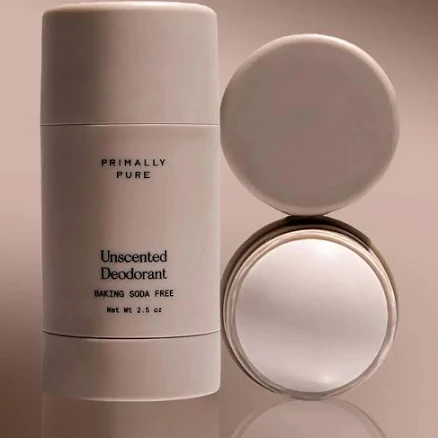
- mineral-based powder blend (arrowroot, magnesium hydroxide, mica)
- We found no PFAS statement from the brand
- Skin irritation from magnesium hydroxide alkalinity
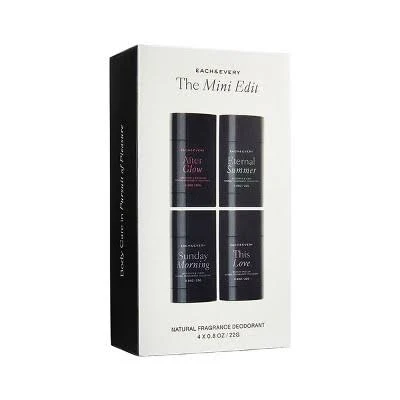
- cosmetic formulations, primary ingredients listed
- A third party reports verifying it as PFAS-free
- Fragrance allergens (natural essential oils)
2 hazards checked on this product, all on its full breakdown.
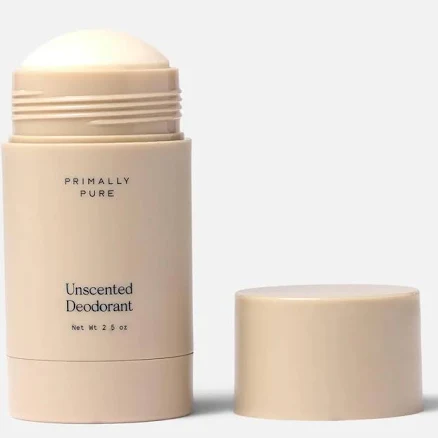
- natural mineral powders, plant-based actives, beeswax
- We found no PFAS statement from the brand
- Beeswax purity and contamination
2 hazards checked on this product, all on its full breakdown.
More deodorant grades
How we score, every product runs through the same public 0-100 rubric based on materials, coatings, brand disclosure, lab findings, and recalls. See the full methodology → Spotted a mistake? Report an error.