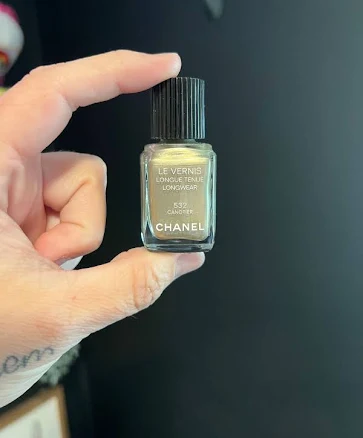
Chanel · Nail Polish & Top Coat
Chanel Nail Polish *read*
No public PFAS data available; typical formulations have low inherent risk.
This traditional lacquer shows no known PFAS ingredients in standard formulations. However, Chanel makes no public statement about PFAS avoidance or testing practices.
The better-graded swap
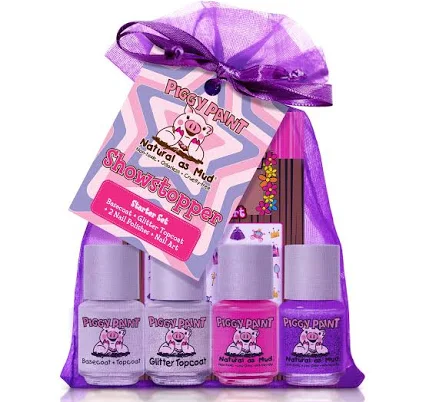
Piggy Paint
Piggy Paint Showstopper Nail Polish Set
100/100 safety
Same rubric that flunked this product. The swap earned Excellent.
Still want this one anyway? Check the price on Amazon. We’d swap it.
Material
Nitrocellulose, plasticizers, resins, pigments
Lab data
No public lab test
Is Chanel Nail Polish *read* non-toxic? What it is made of
Chanel nail polish is a nitrocellulose-based lacquer, the industry standard, suspended in volatile organic solvents (typically toluene, xylene, ethyl acetate) and plasticizers to enable adhesion and flexibility on the nail plate. The color comes from organic and inorganic pigments mixed into this resin matrix. Nitrocellulose itself is inert once dried; the hazard window is during application (solvent vapor exposure) and if polish is ingested by young children, not from wearing cured polish on nails.
What’s concerning
Category baseline
The starting point for this type of product, before anything specific to this product is counted.
No PFAS disclosure
No public statement from the brand about PFAS in this product.
Volatile organic solvents (toluene, xylene, ethyl acetate)
Standard in all conventional nail polish formulations, including Chanel. Primary exposure route is inhalation during application; chronic occupational exposure is a recognized concern for professional manicurists, not occasional users. No specific data exist for Chanel's solvent ratio, but levels are regulated in cosmetics in the EU and US.
Plasticizers (dibutyl phthalate or alternatives)
Chanel does not disclose whether formulations contain DBP or phtalate-free plasticizers. DBP was widely used historically in nail polish and has endocrine activity in animal studies; many brands have reformulated away from it, but Chanel's status is unknown. The dermal absorption from a cured nail coating is negligible.
Accidental ingestion toxicity (child exposure)
Nitrocellulose-based polish is mildly toxic if swallowed in significant volume (e.g., a bottle); symptoms include GI upset and CNS effects. Single nail applications pose negligible risk. Keep all bottles away from children under 3; this is a category-wide hazard, not Chanel-specific.
What’s reassuring
Base material not linked to PFAS
The main material recorded for this product is not one associated with PFAS.
Heavy metals
No public incidents or safety alerts link Chanel nail polish to lead, cadmium, or arsenic in pigments. Inorganic colorants used in nail polish are FDA-approved or EU-listed cosmetic colorants; however, Chanel does not publish pigment sourcing. Dermal exposure from dried polish is effectively zero.
Source, FDA ↗Formaldehyde / VOCs
No public data or recalls document formaldehyde releasers in Chanel nail polish. Nitrocellulose lacquers may contain trace formaldehyde from resin synthesis, but cured polish on nails does not off-gas formaldehyde at measurable levels. No documented exposure pathway for typical users.
Source, ATSDR ↗The full breakdown
The brand's record and disclosure
Chanel publishes no detailed ingredient safety data or third-party certifications for nail polish; the brand does not voluntarily disclose plasticizer or pigment sourcing. No recalls or public safety incidents are documented for Chanel nail polish in major safety databases. The brand's silence on formulation transparency is typical of luxury cosmetics lines and does not indicate a known problem, only an absence of proactive disclosure.
How it compares in its category
Chanel nail polish sits in the mainstream conventional segment, not in the 'non-toxic' or low-VOC subset (where brands like Ella+Mila or Zoya market solvent-reduced formulas). Its safety profile is consistent with other major brands (OPI, Essie, Dior) that use traditional nitrocellulose chemistry without added PFAS. Chanel does not claim or pursue 'clean' or '3-free' marketing, so users should expect standard VOC levels during application.
If you buy it
Apply in well-ventilated spaces to minimize inhalation of toluene and xylene vapors, which are the primary acute concern during brush-on use. Keep away from heat sources and direct sunlight after application; nitrocellulose polish cures at room temperature and does not require UV or heat setting. Replace or remove if polish chips significantly or yellows with age, as degraded coating may allow minor nail dehydration. Do not apply to children under 3 or use as a mouth-contact cosmetic; poisoning risk is from ingestion, not dermal contact.
What we don’t know
- Basis
- Model estimate, 45% confidence, not a lab result
- Lab test
- None on record for this exact product
- Brand statement
- Chanel has made a specific claim
Formulations change between production runs, so check the current label. How we grade.
Better-graded alternatives in Nail Polish & Top Coat
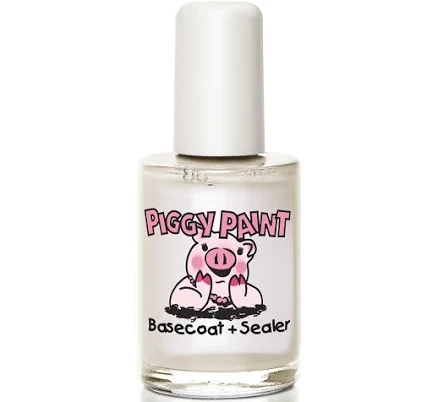
Piggy Paint
Basecoat & Sealer Nail Polish
- Water-based organic pigments and plant-derived resins
- The brand calls it PFAS-free, which we have not verified
- Heavy metals
3 hazards checked on this product. See all of them.
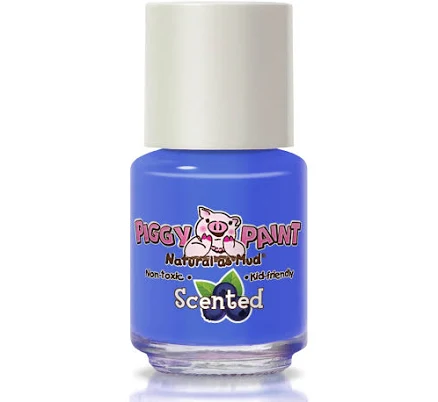
Piggy Paint
Nail Polish Piggy Paint
- water-based pigmented lacquer
- The brand calls it PFAS-free, which we have not verified
- Volatile organic compounds (VOCs) from resins and solvents
3 hazards checked on this product. See all of them.
Piggy Paint
Showstopper Nail Polish Set
- organic pigments, plant-based resins, water-based lacquer
- The brand calls it PFAS-free, which we have not verified
- Volatile organic compounds (VOCs)
2 hazards checked on this product. See all of them.
More nail polish & top coat grades
How we score, every product runs through the same public 0-100 rubric based on materials, coatings, brand disclosure, lab findings, and recalls. See the full methodology → Spotted a mistake? Report an error.