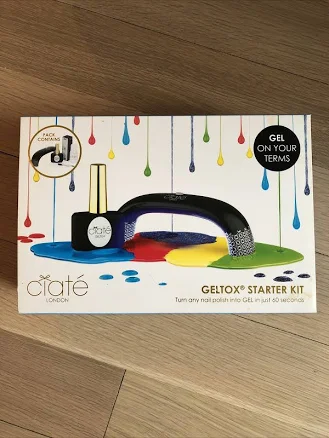
Ciaté London · Nail Polish & Top Coat
Ciate Geltox Nail Polish Starter Kit
Lower PFAS concern, but brand transparency is absent; typical for nail polish category.
Ciaté London's Geltox Gel Polish is a cosmetic product with no known PFAS-containing additives. Gel polishes generally don't require water-repellent or grease-resistant coatings.
We flunk more products than we pass. This one earned its grade. How we grade
Material
Gel-based nail polish with resin, plasticizers, and solvents
Brand disclosure
Brand is silent on PFAS
Lab data
No public lab test
Is Ciate Geltox Nail Polish Starter Kit non-toxic? What it is made of
Ciaté Geltox is a gel-based nail polish combining oligomeric resins (acrylates), plasticizers, and volatile organic solvents that harden under UV/LED light. The gel matrix is designed to bond to keratin but requires photoinitiators and stabilizers that vary by formulation. Gel polishes inherently involve stronger chemical exposure during application (inhalation of solvents) and removal (acetone soaking) compared to traditional lacquers, and the curing process generates heat and UV exposure to skin and eyes.
What’s concerning
Category baseline
The starting point for this type of product, before anything specific to this product is counted.
No PFAS disclosure
No public statement from the brand about PFAS in this product.
Volatile organic solvents (including diluents and carriers)
Gel polish formulations require solvents such as trimethylpentane, heptane, or proprietary carriers to suspend resins. Inhalation during application and curing is a documented exposure route; Ciaté does not list solvent concentrations publicly, so cumulative exposure cannot be assessed without testing.
Acrylate resin sensitization and contact allergy
Oligomeric acrylates in gel formulations are known contact allergens with repeated exposure. Uncrosslinked oligomers can leach during and after curing. Individuals with existing acrylate sensitivity or those developing sensitivity through repeated exposure may experience dermatitis or allergic reactions; Ciaté does not highlight this risk or provide pre-sensitization guidance.
Photoinitiators and UV/LED exposure during curing
Gel polishes contain photoinitiators (commonly benzophenone derivatives or other photoactive compounds) that initiate polymerization under light. Skin exposure to UV or intense LED during curing is cumulative; long-term effects of frequent curing exposure are not fully characterized, and Ciaté does not specify photoinitiator type or recommend skin protection during curing.
Formaldehyde / VOCs
Some gel polish formulations include preservatives or crosslinkers that release trace formaldehyde (e.g., imidazolidinyl urea). Ciaté does not disclose preservative systems, making presence of formaldehyde releasers indeterminate without testing.
Source, ATSDR ↗What’s reassuring
Base material not linked to PFAS
The main material recorded for this product is not one associated with PFAS.
Lead
No specific testing or recalls for heavy metals in Ciaté Geltox have been reported. However, the nail polish category has historically contained lead and cadmium in synthetic pigments; Ciaté does not publish heavy metals testing data, so contamination cannot be ruled out.
Source, ATSDR ↗The full breakdown
The brand's record and disclosure
Ciaté London does not publicly disclose full ingredient lists, allergen warnings, or third-party safety certifications for this product line. The brand has not issued statements on heavy metals testing, solvent concentrations, or resin sourcing. No major recalls or regulatory actions against Ciaté nail products are on record, but the absence of proactive ingredient transparency is typical of the mainstream nail polish category and limits independent verification of safety claims.
How it compares in its category
Gel polishes as a category carry higher solvent exposure risk than traditional nail lacquers, and Ciaté is positioned in the mid-to-premium segment where formulation oversight is variable. Brands like Essie and Sally Hansen publish some ingredient data; Ciaté does not. Performance-grade gel polishes (including Ciaté) are generally comparable in chemical hazard profile to competitors, though none dominate on transparency. If toxin minimization is a priority, indie brands with full disclosure (e.g., Zoya, Ella+Mila) or gel-free alternatives outperform this product.
If you buy it
Use in well-ventilated spaces or with a fan directed away from your face to reduce solvent inhalation during application and curing. Remove only with acetone (non-acetone removers are ineffective and waste time), and limit soak time to 10-15 minutes per hand to reduce skin absorption. Cure under LED light rather than UV when possible (lower energy, faster). Replace the entire kit if the gel appears separated, thickened, or has altered color; degraded gel may indicate formulation breakdown and increased leachable concentration.
What we don’t know
- Basis
- Model estimate, 72% confidence, not a lab result
- Lab test
- None on record for this exact product
- Brand statement
- Ciaté London has made none
Formulations change between production runs, so check the current label. How we grade.
Better-graded alternatives in Nail Polish & Top Coat
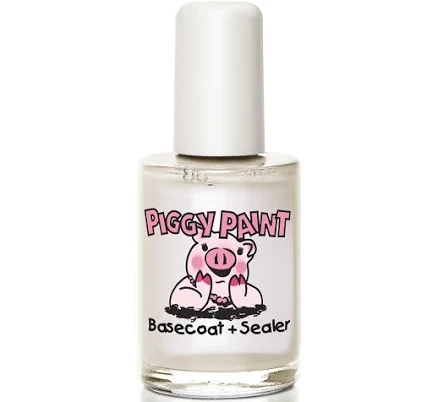
Piggy Paint
Basecoat & Sealer Nail Polish
- Water-based organic pigments and plant-derived resins
- The brand calls it PFAS-free, which we have not verified
- Heavy metals
3 hazards checked on this product. See all of them.
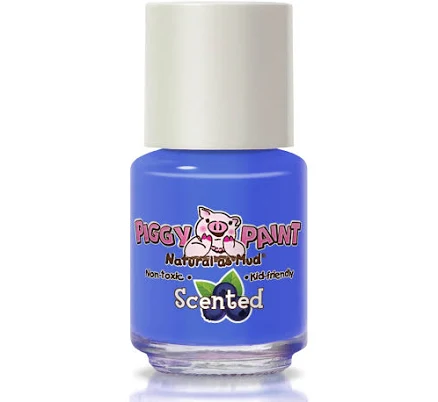
Piggy Paint
Nail Polish Piggy Paint
- water-based pigmented lacquer
- The brand calls it PFAS-free, which we have not verified
- Volatile organic compounds (VOCs) from resins and solvents
3 hazards checked on this product. See all of them.
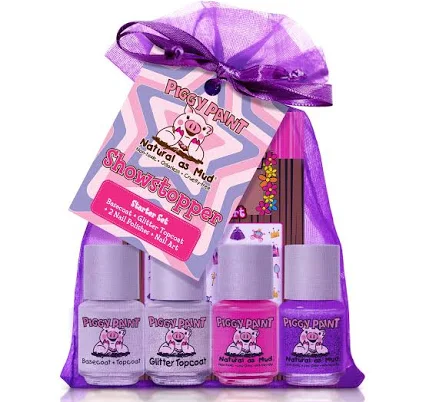
Piggy Paint
Showstopper Nail Polish Set
- organic pigments, plant-based resins, water-based lacquer
- The brand calls it PFAS-free, which we have not verified
- Volatile organic compounds (VOCs)
2 hazards checked on this product. See all of them.
More nail polish & top coat grades
How we score, every product runs through the same public 0-100 rubric based on materials, coatings, brand disclosure, lab findings, and recalls. See the full methodology → Spotted a mistake? Report an error.