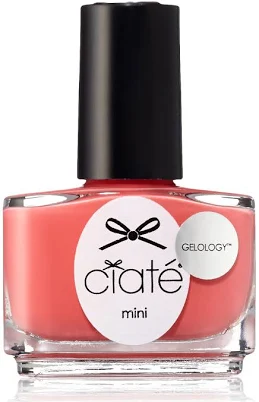
Ciaté London · Nail Polish & Top Coat
Ciate Mini Nail Polish
No public PFAS red flags, but brand discloses nothing; skip if PFAS concern matters to you.
Ciaté London's Mini Nail Polish formulation and PFAS content are not publicly disclosed. No well-established public knowledge indicates Ciaté uses PFAS.
The better-graded swap
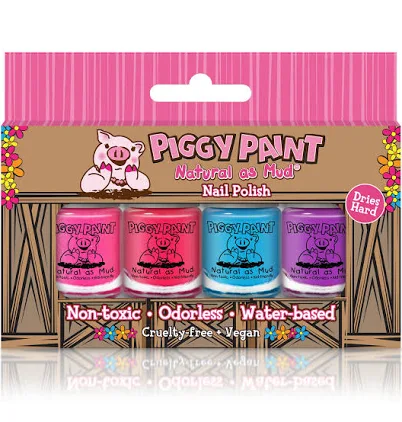
Piggy Paint
Piggy Paint 4-Piece Nail Polish Set
100/100 safety
Same rubric that flunked this product. The swap earned Excellent.
Still want this one anyway? Check the price on Amazon. We’d swap it.
Material
Nail polish (typical, nitrocellulose, plasticizers, resins, solvents)
Brand disclosure
Brand is silent on PFAS
Lab data
No public lab test
Is Ciate Mini Nail Polish non-toxic? What it is made of
Ciaté Mini Nail Polish is a standard lacquer-based formula containing nitrocellulose (the film-forming agent), plasticizers (typically dibutyl phthalate or alternatives), resins, and volatile organic solvents like toluene and xylene. These solvents evaporate during application and drying, which is why ventilation matters. The 'mini' format means smaller volume but identical chemistry to full-size polish; exposure time per application is brief and localized to nails and immediate hand area.
What’s concerning
Category baseline
The starting point for this type of product, before anything specific to this product is counted.
No PFAS disclosure
No public statement from the brand about PFAS in this product.
Volatile organic solvents (toluene, xylene, ethyl acetate)
Standard nail polish contains these solvents at typical concentrations (30-50% by volume). Exposure is brief and dermal/inhalation during application; risk is low with ventilation but cumulative for frequent professional users. No specific testing on Ciaté formula is published.
Phthalate plasticizers (dibutyl phthalate or alternatives)
Likely present to maintain flexibility and adhesion of the film. Ciaté does not state whether DBP is used or if it has been replaced with alternatives like diethyl phthalate or triphenyl phosphate. Dermal absorption from cured nail polish is minimal; exposure is primarily during application if solvents are inhaled.
Formaldehyde / VOCs
Some nail polish formulas include formaldehyde or formaldehyde-releasing resins for hardness. Ciaté does not disclose whether formaldehyde or formaldehyde resin is present. Exposure during application is brief and inhalation risk is reduced by ventilation.
Source, ATSDR ↗Respiratory irritation from solvent vapors during application
General nail polish use (including mainstream brands like Ciaté) can cause headache, dizziness, or respiratory irritation in poorly ventilated spaces or during prolonged exposure. This is a practical concern for frequent users or in enclosed bathrooms, not a product defect specific to this brand.
What’s reassuring
Base material not linked to PFAS
The main material recorded for this product is not one associated with PFAS.
Lead
No published recalls or test results on Ciaté Mini for heavy metals in color pigments. Standard nail polish colorants are regulated under cosmetic ingredient rules in most markets, but brand-specific certification data is not publicly available.
Source, ATSDR ↗The full breakdown
The brand's record and disclosure
Ciaté London does not publicly disclose detailed ingredient sourcing, heavy metal testing, or solvent certification standards. The brand maintains no published sustainability or toxicology reports. No major product recalls or safety complaints have been documented in regulatory databases for this product line. The lack of transparency is typical for mainstream nail polish brands but means independent verification of safety claims is limited.
How it compares in its category
Ciaté Mini sits in the mid-market segment; formulation is conventional and not marketed as 'non-toxic' or '3-free.' This means it likely contains standard solvent loads (toluene, xylene, dibutyl phthalate) that budget and premium brands also use unless explicitly labeled otherwise. Many indie or 'clean' brands market 5-free, 7-free, or solvent-free alternatives, but those carry different trade-offs (durability, application ease). Ciaté offers no differential safety advantage or disadvantage versus mass-market comparables.
If you buy it
Apply in a well-ventilated space to minimize solvent inhalation; open a window or use a fan. Allow full cure time (typically 2-3 minutes) before touching surfaces to avoid smudging and repeated exposure. Store in a cool, dark place away from heat sources, as solvents can evaporate and degrade the formula. Replace polish every 1-2 years if it becomes gummy or separates; this signals solvent loss and reduced performance, not necessarily a safety issue, but old polish is harder to apply evenly.
What we don’t know
- Basis
- Model estimate, 35% confidence, not a lab result
- Lab test
- None on record for this exact product
- Brand statement
- Ciaté London has made none
Formulations change between production runs, so check the current label. How we grade.
Better-graded alternatives in Nail Polish & Top Coat
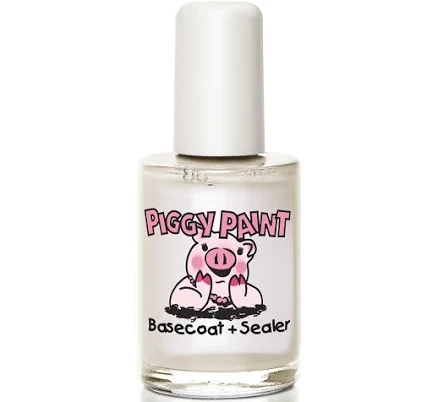
Piggy Paint
Basecoat & Sealer Nail Polish
- Water-based organic pigments and plant-derived resins
- The brand calls it PFAS-free, which we have not verified
- Heavy metals
3 hazards checked on this product. See all of them.
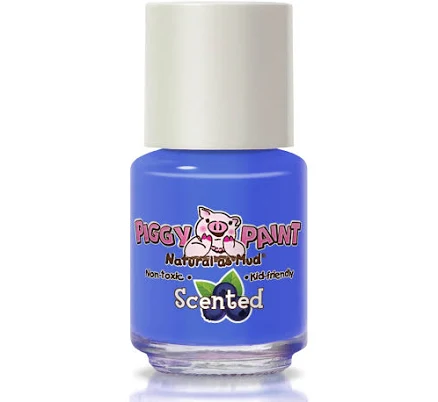
Piggy Paint
Nail Polish Piggy Paint
- water-based pigmented lacquer
- The brand calls it PFAS-free, which we have not verified
- Volatile organic compounds (VOCs) from resins and solvents
3 hazards checked on this product. See all of them.
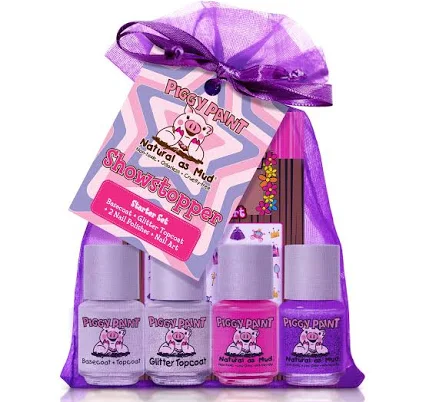
Piggy Paint
Showstopper Nail Polish Set
- organic pigments, plant-based resins, water-based lacquer
- The brand calls it PFAS-free, which we have not verified
- Volatile organic compounds (VOCs)
2 hazards checked on this product. See all of them.
More nail polish & top coat grades
How we score, every product runs through the same public 0-100 rubric based on materials, coatings, brand disclosure, lab findings, and recalls. See the full methodology → Spotted a mistake? Report an error.