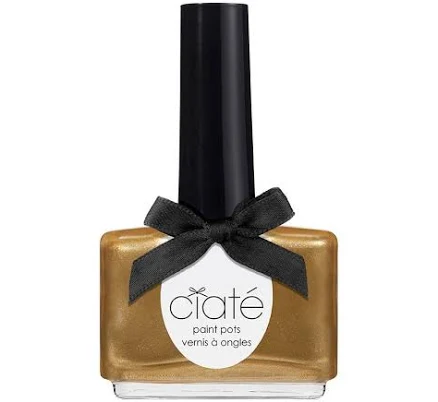
Ciaté London · Nail Polish & Top Coat
Ciate Nail Polish
Skip until brand discloses or third-party testing confirms PFAS status.
Ciaté London does not publicly disclose PFAS presence or absence in their nail polish formulations. Nail lacquers sometimes contain Teflon-family coating for durability and shine.
The better-graded swap
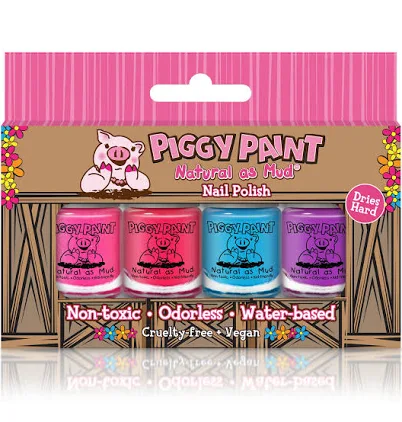
Piggy Paint
Piggy Paint 4-Piece Nail Polish Set
100/100 safety
Same rubric that flunked this product. The swap earned Excellent.
Still want this one anyway? Check the price on Amazon. We’d swap it.
Material
organic pigments and resins in lacquer base
Brand disclosure
Brand is silent on PFAS
Lab data
No public lab test
Is Ciate Nail Polish non-toxic? What it is made of
Ciaté nail polish is a lacquer-based system using organic pigments and synthetic resins dissolved in volatile organic solvents (typically nitrocellulose, plasticizers, and film-formers). The pigments and resins themselves carry minimal inherent toxicity risk at typical application doses, but the solvent carrier and some additives warrant attention during application. Ciaté does not disclose full ingredient breakdowns on standard product labels, limiting transparency about specific plasticizers (such as dibutyl phthalate/DBP) or formaldehyde releasers.
What’s concerning
Category baseline
The starting point for this type of product, before anything specific to this product is counted.
No PFAS disclosure
No public statement from the brand about PFAS in this product.
Volatile organic compounds (VOC) and respiratory irritation
Nail polish lacquers inherently release toluene, xylene, and other solvents during and shortly after application. Individual sensitivity varies; cumulative exposure in poorly ventilated spaces or frequent application increases risk of headache, dizziness, and airway irritation.
Phthalates
Conventional nail lacquers often use dibutyl phthalate (DBP) or similar plasticizers; Ciaté does not publicly confirm absence of these compounds. Absorption through skin during application is minimal, but inhalation of aerosol during drying carries a small systemic exposure risk.
Source, ATSDR ↗Formaldehyde / VOCs
Some nail polish formulations include formaldehyde as a hardener or preservative precursor. Ciaté's ingredient list is not fully disclosed; ventilation during application mitigates inhalation risk but contact dermatitis from uncured resin is a known hazard in this category.
Source, ATSDR ↗Contact allergic sensitization to uncured resin or dyes
Nail polish is a known source of contact dermatitis, particularly around the nail fold and cuticle area. Ciaté's lacquer formulation carries the same risk as competitors; individuals with pre-existing cosmetic sensitivities should perform a patch test before full application.
What’s reassuring
Base material not linked to PFAS
The main material recorded for this product is not one associated with PFAS.
Lead
No recalls or third-party testing results specific to Ciaté nail polish indicate lead or cadmium contamination in pigments. Premium brands typically use synthetic organic pigments with lower heavy-metal risk than mass-market alternatives, but independent verification is absent for this product.
Source, ATSDR ↗The full breakdown
The brand's record and disclosure
Ciaté London is owned by the Estée Lauder Companies and markets itself as a luxury beauty brand with no published third-party certifications (e.g., EWG Verified, or toxin-free guarantees). The brand has not publicly disclosed PFAS testing results or commitments to phase out fluorinated compounds. No major product recalls or safety controversies specific to Ciaté nail polish have been established in public health databases. Disclosure of restricted substance policies is limited compared to some competitors in the premium nail category.
How it compares in its category
Ciaté sits in the mid-to-premium segment; its hazard profile is typical for conventional lacquer nail polish and not materially different from mass-market brands like OPI or Essie. Some independent brands market '3-free' or '5-free' formulations explicitly excluding toluene, dibutyl phthalate, and formaldehyde; Ciaté does not use this marketing or guarantee. The category itself carries inherent VOC and respiratory irritation risk during application that cannot be eliminated by brand choice alone; ventilation and use frequency matter more than brand selection.
If you buy it
Apply in a well-ventilated space (open window or exhaust fan) to minimize inhalation of volatile solvents; do not apply during pregnancy or when susceptible to fume sensitivity. Patch-test on a small nail or non-visible area first, particularly if you have a history of contact sensitization or respiratory irritation from cosmetics. Replace bottles every 18-24 months if formula thickens or odor changes, as older formulations may degrade or separate. Avoid prolonged skin contact with wet polish; wash hands after application to limit dermal absorption of uncured resins and solvents.
What we don’t know
- Basis
- Model estimate, 45% confidence, not a lab result
- Lab test
- None on record for this exact product
- Brand statement
- Ciaté London has made none
Formulations change between production runs, so check the current label. How we grade.
Better-graded alternatives in Nail Polish & Top Coat
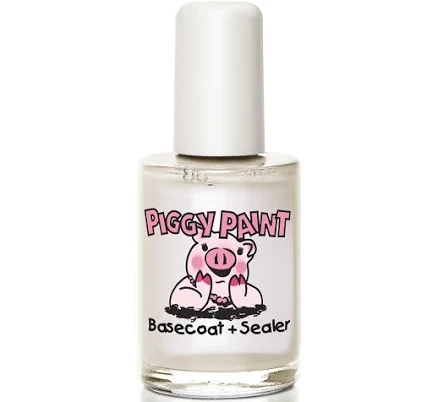
Piggy Paint
Basecoat & Sealer Nail Polish
- Water-based organic pigments and plant-derived resins
- The brand calls it PFAS-free, which we have not verified
- Heavy metals
3 hazards checked on this product. See all of them.
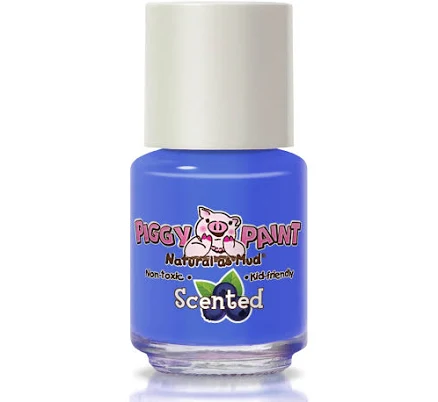
Piggy Paint
Nail Polish Piggy Paint
- water-based pigmented lacquer
- The brand calls it PFAS-free, which we have not verified
- Volatile organic compounds (VOCs) from resins and solvents
3 hazards checked on this product. See all of them.
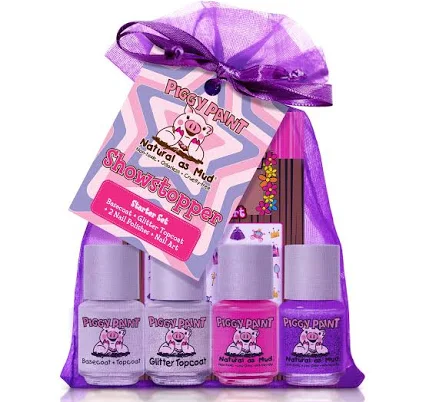
Piggy Paint
Showstopper Nail Polish Set
- organic pigments, plant-based resins, water-based lacquer
- The brand calls it PFAS-free, which we have not verified
- Volatile organic compounds (VOCs)
2 hazards checked on this product. See all of them.
More nail polish & top coat grades
How we score, every product runs through the same public 0-100 rubric based on materials, coatings, brand disclosure, lab findings, and recalls. See the full methodology → Spotted a mistake? Report an error.