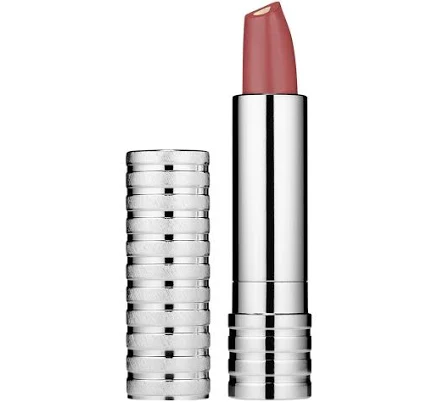
Clinique · Lip Balm & Long-Wear Lipstick
Clinique Dramatically Different Lipstick Shaping Lip Colour
Lower concern. Material as recorded is not linked to PFAS.
Clinique has no PFAS statement on record for this lipstick. The material as recorded, wax and oils in a traditional cosmetic base, is not a material linked to PFAS.
We flunk more products than we pass. This one earned its grade. How we grade
Material
wax, oils, pigments, traditional cosmetic base
Lab data
No public lab test
You may also be interested in
Top-graded picks in the categories readers replace first, every one scored on the same rubric.

- polypropylene filter housing, carbon/sediment cartridge
- We found no PFAS statement from the brand
- Bacterial growth in spent cartridges
3 hazards checked on this product, all on its full breakdown.

Aquasure
Premier Series 75 GPD Under Sink Reverse Osmosis Water Filtration System
- RO membrane, carbon filters, stainless steel housing
- We found no PFAS statement from the brand
- Bacterial and microbial growth in housing and filters
4 hazards checked on this product, all on its full breakdown.

Avocado
Vegan Mattress
- organic cotton, natural latex, coconut coir, recycled steel coils
- The brand calls it PFAS-free, which we have not verified
- Heavy metals
2 hazards checked on this product, all on its full breakdown.
What Clinique Dramatically Different Lip Colour is made of, ingredients and materials
Clinique Dramatically Different Lipstick is a traditional wax-and-oil formulation typical of creamy lipsticks, combining natural or synthetic waxes (likely beeswax, carnauba, or candelilla) with mineral oils, plant oils, and approved pigments. This chemistry is among the lowest-concern in cosmetics because waxes and oils are not materials linked to PFAS, have minimal absorption through lips, and have centuries of documented use history. The pigments used are almost certainly iron oxides, mica, or certified colorants like D&C Red 7, all of which have established safety profiles in topical lip products.
What’s concerning
Category baseline
The starting point for this type of product, before anything specific to this product is counted.
No PFAS disclosure
No public statement from the brand about PFAS in this product.
Fragrance allergens and undisclosed fragrance components
Clinique Dramatically Different is unscented or minimally fragrant, reducing allergen risk compared to scented lipsticks. However, the brand does not disclose fragrance component details on packaging, consistent with industry practice. Individuals with fragrance sensitivities should patch-test before full-lip application.
What’s reassuring
Base material not linked to PFAS
The main material recorded for this product is not one associated with PFAS.
Lead
Clinique uses approved cosmetic colorants and iron oxides, which are inherently low in heavy metals. No recalls or test data for this product exist; industry-wide testing suggests prestige lipsticks average well below the 10 ppm lead threshold used informally by independent labs. Lip application is topical and minimally absorbed, further reducing exposure.
Source, ATSDR ↗1,4-dioxane contamination
No published tests have detected 1,4-dioxane in this product. Dioxane is primarily a concern in cleansing or foaming products where it arises as a manufacturing byproduct; it is not a known issue in wax-based lipsticks. Clinique's manufacturing standards are consistent with major cosmetic firms using dioxane-minimization practices.
Formaldehyde / VOCs
Lipsticks have low water content and do not require formaldehyde releasers like quaternium-15 or DMDM hydantoin, which are used in water-rich creams and lotions. Traditional wax-oil formulations rely on stable chemistry without the need for harsh preservatives.
Source, ATSDR ↗Talc contamination (asbestos risk)
This product is not known to contain talc as a primary ingredient, though trace talc from mica or other minerals is possible. Lipsticks are not high-risk talc products; even if trace talc is present, inhalation risk is negligible (topical application to lips, not powder inhalation). No recalls or contamination alerts exist for this line.
How is this PFAS grade calculated?
The brand's record and disclosure
Clinique (Estée Lauder subsidiary) does not actively publicize heavy-metal or contaminant testing data for individual products, which is typical for prestige cosmetic brands and not itself a red flag. The brand has no public recalls or regulatory actions specific to this lipstick line. Estée Lauder companies comply with FDA and EU cosmetic rules, including banned-ingredient restrictions, but do not voluntarily disclose third-party certification or metals testing for most lip products.
How it compares in its category
This lipstick sits firmly in the mainstream prestige tier, lower concern than unregulated indie brands or counterfeit stock, comparable in hazard profile to MAC, Bobbi Brown, or Maybelline lipsticks, and comparable in concern to luxury alternatives like Tom Ford or Charlotte Tilbury. Wax-based creamy lipsticks across this market segment have near-identical risk profiles because formulation constraints are tight and regulatory oversight is consistent. No credible evidence suggests Clinique lipsticks pose higher lead, cadmium, or 1,4-dioxane risk than peer products.
If you buy it
Store in a cool, dry place away from heat (wax will degrade and pigments may shift in direct sunlight or hot cars). Replace if the product develops an off smell, unusual texture, or discoloration, though shelf life is typically 2-3 years. Do not ingest; while accidental ingestion of small amounts is not acutely toxic, lipstick is not food-grade. If you have sensitivity to fragrance or specific dyes, patch-test on lips first, as pigment sensitivities are individual.
What is not known about PFAS in this product?
- Basis
- Model estimate, 72% confidence, not a lab result
- Lab test
- None on record for this exact product
- Brand statement
- Clinique has made a specific claim
Formulations change between production runs, so check the current label. How we grade.
More lip balm & long-wear lipstick grades
How we score, every product runs through the same public 0-100 rubric based on materials, coatings, brand disclosure, lab findings, and recalls. See the full methodology → Spotted a mistake? Report an error.