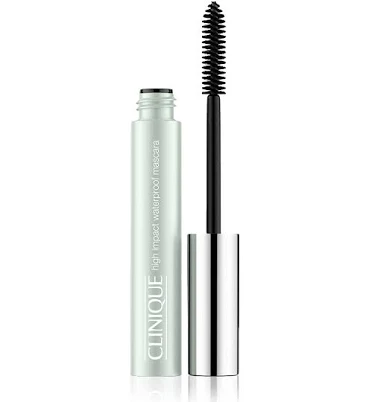
Clinique High Impact Waterproof Mascara
Waterproof mascara ingredient list lacks PFAS disclosure. Limited public data.
Clinique does not disclose waterproofing chemistry for this mascara. Waterproof cosmetics sometimes use PFAS, but no lab results or brand transparency available.
The better-graded swap
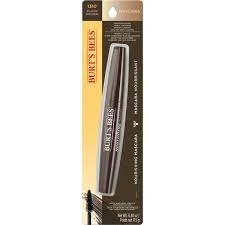
Burt's Bees
Burt's Bees 100% Natural Nourishing Mascara, Black Brown
75/100 safety
Same rubric that flunked this product. The swap earned Excellent.
Still want this one anyway? Check the price on Amazon. We’d swap it.
Material
pigments, resins, waxes, waterproofing agents unspecified
Lab data
No public lab test
You may also be interested in
Top-graded picks in the categories readers replace first, every one scored on the same rubric.

- polypropylene filter housing, carbon/sediment cartridge
- We found no PFAS statement from the brand
- Bacterial growth in spent cartridges
3 hazards checked on this product, all on its full breakdown.

Aquasure
Premier Series 75 GPD Under Sink Reverse Osmosis Water Filtration System
- RO membrane, carbon filters, stainless steel housing
- We found no PFAS statement from the brand
- Bacterial and microbial growth in housing and filters
4 hazards checked on this product, all on its full breakdown.

Avocado
Vegan Mattress
- organic cotton, natural latex, coconut coir, recycled steel coils
- The brand calls it PFAS-free, which we have not verified
- Heavy metals
2 hazards checked on this product, all on its full breakdown.
What Clinique High Impact Waterproof Mascara is made of, ingredients and materials
Clinique High Impact Waterproof Mascara contains pigments (iron oxides, likely titanium dioxide), film-forming resins (typically acrylates or silicones), waxes, and unspecified waterproofing agents. The waterproof claim suggests synthetic polymers or silicones that resist water breakdown; formulation details are not publicly disclosed on the label or brand website. Without ingredient transparency, independent assessment of heavy metal content in pigments or presence of problematic binders is limited.
What’s concerning
Waterproof / stain-resistant treatment
Water-repellent coating treatments have historically used PFAS.
Category baseline
The starting point for this type of product, before anything specific to this product is counted.
No PFAS disclosure
No public statement from the brand about PFAS in this product.
Lead
Iron oxides and titanium dioxide in mascaras are generally recognized as safe colorants, but independent testing of Clinique High Impact pigment batches is not publicly available. Minor contamination during mining or manufacturing is possible though uncommon in regulated US cosmetics.
Source, ATSDR ↗1,4-dioxane (manufacturing contaminant)
Dioxane is a secondary contaminant in cosmetics with ethoxyethanol or polyethylene glycol derivatives. Clinique does not publish third-party testing for dioxane. The risk is low to trace in regulated US prestige cosmetics but cannot be excluded without lab analysis.
Fragrance allergens (undisclosed ingredients)
This product lists fragrance as an ingredient. Specific allergens (e.g., limonene, linalool) are not itemized on packaging. Fragrance mixes can trigger contact dermatitis or eye irritation in sensitive individuals, particularly near the eye area.
Bacterial or fungal growth if unmaintained
All mascaras, especially waterproof formulas, accumulate bacteria if not replaced regularly or if tube is left open. The waterproof formulation may harbor moisture and microbes longer than non-waterproof products due to polymer film density.
What’s reassuring
Formaldehyde / VOCs
No public record of formaldehyde releasers in this product. Clinique does not list these in disclosed preservatives, and waterproof mascaras typically use phenoxyethanol or paraben systems instead. However, full preservative profile is not detailed publicly.
Source, ATSDR ↗How is this PFAS grade calculated?
The brand's record and disclosure
Clinique (Estee Lauder Companies) does not publicly disclose PFAS use in mascaras and has not signed commitments to eliminate PFAS in personal care products. The brand has no major FDA safety recalls for mascara products in recent public records. Clinique provides a basic ingredient list but does not offer detailed safety certifications (e.g., clean beauty seals, heavy metal testing) for mascaras on marketing materials.
How it compares in its category
Waterproof mascaras as a category carry inherent uncertainty around waterproofing polymer identity and PFAS risk. Clinique's disclosure stance is typical for mainstream prestige cosmetics but lags behind certified clean brands that publish third-party testing or commit to PFAS-free formulation. Budget and mid-tier waterproof mascaras show similar opacity; premium alternatives like Thrive Causemetics disclose PFAS absence more explicitly.
If you buy it
Apply only to eyelashes and lids; avoid contact with eyes. Replace mascara every 3 months or sooner if clumping or odor develops to prevent bacterial growth. Remove with gentle, oil-based makeup remover to avoid lash damage and residue buildup. If eyes become irritated, discontinue and consult an eye care professional; waterproof formulas are harder to remove completely and may accumulate.
What is not known about PFAS in this product?
- Basis
- Model estimate, 35% confidence, not a lab result
- Lab test
- None on record for this exact product
- Brand statement
- Clinique has made a specific claim
Formulations change between production runs, so check the current label. How we grade.
What are the PFAS-free alternatives to Clinique High Impact Waterproof Mascara?
- Wax, pigments, natural oils (typical mascara base)
- Fragrance allergens and undisclosed sensitizers
2 hazards checked on this product, all on its full breakdown.
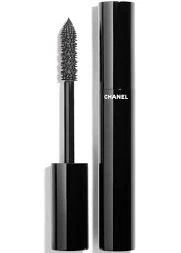
- pigments, waxes, polymers (unspecified)
- Lead
5 hazards checked on this product, all on its full breakdown.
Find an alternative on Amazon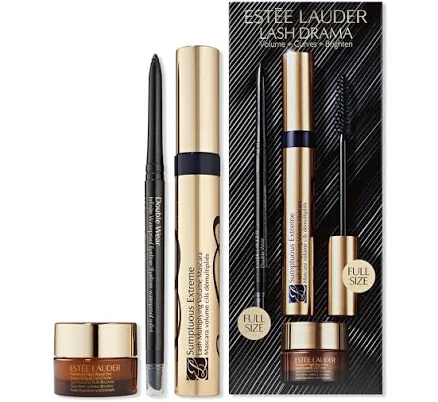
- pigments, waxes, film-formers in liquid mascara
- Heavy metals
5 hazards checked on this product, all on its full breakdown.
Find an alternative on AmazonMore waterproof mascara grades
How we score, every product runs through the same public 0-100 rubric based on materials, coatings, brand disclosure, lab findings, and recalls. See the full methodology → Spotted a mistake? Report an error.