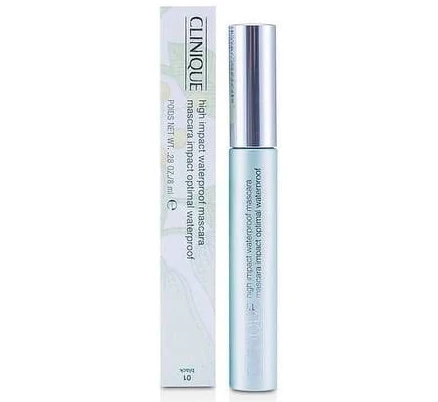
Clinique High Impact Waterproof Mascara - 8ml/0.28oz, Black
Waterproof mascara with undisclosed coating. PFAS risk unclear.
Clinique does not publicly disclose PFAS or waterproofing chemistry. Waterproof mascaras often use fluorinated compounds, but brand provides no verification either way.
The better-graded swap
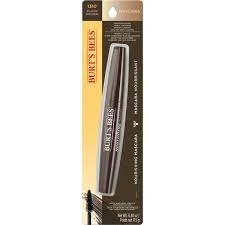
Burt's Bees
Burt's Bees 100% Natural Nourishing Mascara, Black Brown
75/100 safety
Same rubric that flunked this product. The swap earned Excellent.
Still want this one anyway? Check the price on Amazon. We’d swap it.
Material
polymeric film, wax, and pigment blend with waterproofing agents
Lab data
No public lab test
You may also be interested in
Top-graded picks in the categories readers replace first, every one scored on the same rubric.

- polypropylene filter housing, carbon/sediment cartridge
- We found no PFAS statement from the brand
- Bacterial growth in spent cartridges
3 hazards checked on this product, all on its full breakdown.

Aquasure
Premier Series 75 GPD Under Sink Reverse Osmosis Water Filtration System
- RO membrane, carbon filters, stainless steel housing
- We found no PFAS statement from the brand
- Bacterial and microbial growth in housing and filters
4 hazards checked on this product, all on its full breakdown.

Avocado
Vegan Mattress
- organic cotton, natural latex, coconut coir, recycled steel coils
- The brand calls it PFAS-free, which we have not verified
- Heavy metals
2 hazards checked on this product, all on its full breakdown.
What Clinique High Impact Waterproof Black is made of, ingredients and materials
Clinique High Impact Waterproof Mascara uses a polymeric film base (likely acrylates or silicones) combined with waxes and iron oxide pigments, sealed with proprietary waterproofing agents that Clinique does not publicly disclose. The waterproofing mechanism is the critical unknown, traditional water-resistant mascaras use silicone or dimethicone barriers, but some brands have incorporated fluorinated compounds (PFAS-type coatings) to achieve superior water shedding. Without ingredient transparency, the specific waterproofing chemistry cannot be confirmed from public sources.
What’s concerning
Waterproof / stain-resistant treatment
Water-repellent coating treatments have historically used PFAS.
Category baseline
The starting point for this type of product, before anything specific to this product is counted.
No PFAS disclosure
No public statement from the brand about PFAS in this product.
PFAS
Clinique does not disclose waterproofing chemistry; common water-resistant mascaras use dimethicone (not a material linked to PFAS) but some brands use Teflon-family coating (PFAS-type compounds). Without testing or certification, PFAS presence cannot be ruled in or out for this specific product.
Source, ATSDR ↗Preservatives and 1,4-dioxane
Clinique does not list preservative details on public ingredient statements. Waterproof mascaras often use glyceryl stearate and emulsifier blends that may contain trace 1,4-dioxane as a manufacturing byproduct; Estee Lauder products have occasionally reported dioxane at non-regulatory-violation levels in third-party testing.
Fragrance allergens and sensitization
Clinique High Impact formulations typically include fragrance or fragrance-masking agents. Contact dermatitis and eye irritation from mascara fragrance are well-documented; sensitive individuals should patch-test or choose fragrance-free waterproof alternatives.
Polymeric film durability and microflaking
Waterproof mascaras form a removable film coating; over time or with mechanical stress (rubbing, heat), this coating can flake, potentially introducing microscopic particles into the eye. Replacement every 3 months mitigates this risk.
What’s reassuring
Heavy metals
Iron oxides (synthetic) are FDA-approved colorants and generally well-controlled in cosmetic-grade products. No recalls or reports of lead or cadmium contamination in Clinique mascaras are on record; this hazard is standard risk for any pigmented mascara, not elevated for this brand.
Source, FDA ↗How is this PFAS grade calculated?
The brand's record and disclosure
Clinique (owned by Estee Lauder) maintains a general dermatologist-tested and hypoallergenic marketing stance but does not publish detailed ingredient sourcing, manufacturing certifications, or PFAS testing policies. The brand has not issued public statements on PFAS avoidance or fluorinated compound exclusion in waterproof products. No major recalls or controversies specific to this mascara formulation are on record, though Estee Lauder has faced broader scrutiny over fragrance and preservative transparency in recent years.
How it compares in its category
Waterproof mascaras across the market segment typically carry similar undisclosed waterproofing risks; Clinique sits in the mid-to-premium tier where ingredient opacity is common. Brands like Maybelline and L'Oreal similarly do not disclose PFAS testing, while some premium and indie brands (e.g., Sephora Collection, Flower Beauty) have begun voluntary PFAS-free claims. Clinical-grade mascaras often prioritize removal ease and minimal irritation over cost-competitive waterproofing, making this product less risky than ultra-budget waterproof alternatives in terms of coating durability and eye irritation, but PFAS risk remains unquantified.
If you buy it
Remove with gentle, oil-based or micellar cleansers designed for waterproof makeup to minimize eye trauma and allow the polymeric film to fully release. Do not apply heat directly to the eye area or use excessively hot water for removal, as heat can alter the coating chemistry and increase irritant exposure. Replace every 3 months or immediately if clumping, separation, or odor changes occur, as degraded mascara polymers can flake into the eye. If eye irritation develops (redness, watering, grittiness), discontinue use and switch to a simpler, non-waterproof formula until sensitivity resolves.
What is not known about PFAS in this product?
- Basis
- Model estimate, 35% confidence, not a lab result
- Lab test
- None on record for this exact product
- Brand statement
- Clinique has made a specific claim
Formulations change between production runs, so check the current label. How we grade.
What are the PFAS-free alternatives to Clinique High Impact Waterproof Mascara - 8ml/0.28oz, Black?
- Wax, pigments, natural oils (typical mascara base)
- Fragrance allergens and undisclosed sensitizers
2 hazards checked on this product, all on its full breakdown.
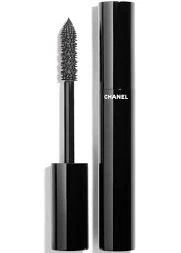
- pigments, waxes, polymers (unspecified)
- Lead
5 hazards checked on this product, all on its full breakdown.
Find an alternative on Amazon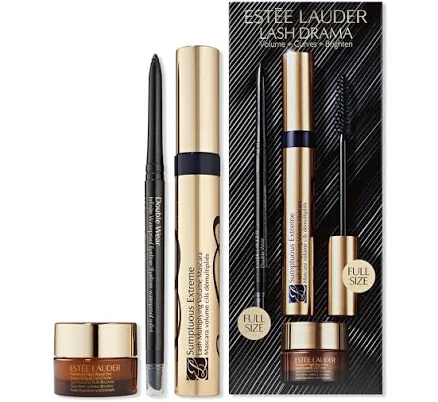
- pigments, waxes, film-formers in liquid mascara
- Heavy metals
5 hazards checked on this product, all on its full breakdown.
Find an alternative on AmazonMore waterproof mascara grades
How we score, every product runs through the same public 0-100 rubric based on materials, coatings, brand disclosure, lab findings, and recalls. See the full methodology → Spotted a mistake? Report an error.