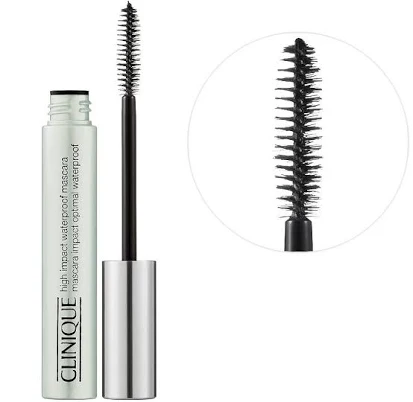
CLINIQUE High Impact Waterproof Mascara, Black
Waterproof mascara suggests potential PFAS; Clinique silent on chemicals.
Waterproof mascaras commonly use fluorinated polymers to repel water. Clinique doesn't mention PFAS or provide PFAS-free status.
The better-graded swap
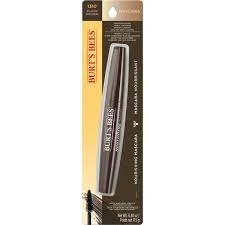
Burt's Bees
Burt's Bees 100% Natural Nourishing Mascara, Black Brown
75/100 safety
Same rubric that flunked this product. The swap earned Excellent.
Still want this one anyway? Check the price on Amazon. We’d swap it.
Material
wax, film-forming polymers, waterproofing agent (unspecified)
Lab data
No public lab test
You may also be interested in
Top-graded picks in the categories readers replace first, every one scored on the same rubric.

- polypropylene filter housing, carbon/sediment cartridge
- We found no PFAS statement from the brand
- Bacterial growth in spent cartridges
3 hazards checked on this product, all on its full breakdown.

Aquasure
Premier Series 75 GPD Under Sink Reverse Osmosis Water Filtration System
- RO membrane, carbon filters, stainless steel housing
- We found no PFAS statement from the brand
- Bacterial and microbial growth in housing and filters
4 hazards checked on this product, all on its full breakdown.

Avocado
Vegan Mattress
- organic cotton, natural latex, coconut coir, recycled steel coils
- The brand calls it PFAS-free, which we have not verified
- Heavy metals
2 hazards checked on this product, all on its full breakdown.
What CLINIQUE High Impact Mascara, Black is made of, ingredients and materials
Clinique High Impact Waterproof Mascara is a wax-polymer blend formulated to repel water and maintain pigment adhesion. The waterproofing mechanism is not disclosed on the label or public ingredient lists, which is standard industry practice but leaves the specific chemical class (Teflon-type coating, silicone, or fluorocarbon-based) unverified. Wax mascaras typically use carnauba or synthetic waxes as binders; film-forming polymers (often acrylates or vinyl polymers) provide durability. The waterproofing agent is the material of greatest uncertainty for this product.
What’s concerning
Category baseline
The starting point for this type of product, before anything specific to this product is counted.
No PFAS disclosure
No public statement from the brand about PFAS in this product.
Waterproof / stain-resistant treatment
Water-repellent coating treatments have historically used PFAS.
Undisclosed waterproofing agent (suspected fluorinated compound)
Waterproof mascaras commonly use Teflon-type coating, polyfluoroalkyl surfactants, or siloxane-fluorocarbon hybrids. Clinique does not specify which; eye tissue absorption of fluorinated residues is poorly characterized in long-term studies but regulatory agencies permit current practices.
Bacterial contamination from remover residue or applicator reuse
Waterproof mascaras are harder to remove completely; leftover remover oil can mix with formula and harbor bacteria. The wand applicator touches the eye directly; improper cleaning between uses increases infection risk, though this is user behavior rather than product defect.
What’s reassuring
Heavy metals
Black mascara typically uses iron oxide (CI 77499) or carbon black; these are approved colorants but quality varies by supplier. No recall or contamination reported for Clinique mascara. Eyelid skin is permeable; direct contact with pigmented waxes has no hazard of this kind on record under current guidelines, but long-term ocular exposure data are limited.
Source, FDA ↗Formaldehyde / VOCs
Waterproof mascaras may use formaldehyde-releasing preservatives (e.g., DMDM hydantoin) to prevent bacterial growth in humid conditions. Clinique's specific preservative system is not disclosed. Current regulatory levels are authorized, but sensitive individuals may experience eye irritation.
Source, ATSDR ↗Fragrance allergens or irritants
High Impact Waterproof does not list fragrance as a primary ingredient, but mascaras may contain trace aromatic compounds in wax blends. No public reports of contact dermatitis or allergic reactions specific to this product.
How is this PFAS grade calculated?
The brand's record and disclosure
Clinique (Estee Lauder group) does not publicly commit to PFAS-free formulation or provide waterproofing agent transparency in marketing or safety documents. The brand has not faced a publicized recall or safety violation specific to this mascara. Estee Lauder companies generally comply with regulatory limits but do not exceed them with voluntary disclosure. Clinique has made no statement on per- or polyfluorinated compounds in cosmetics.
How it compares in its category
Waterproof mascaras across all brands carry inherent uncertainty about PFAS content because waterproofing chemistry is rarely disclosed. Clinique sits in the mid-to-premium tier where formula stability is prioritized over radical reformulation. Brands like Thrive, Ilia, and Tower 28 market PFAS-free waterproof claims explicitly, which this product does not. Standard drugstore waterproof mascaras (Maybelline, L'Oreal) face the same disclosure gap.
If you buy it
Apply only to lash tips and outer eye area to minimize skin contact and potential absorption of undisclosed waterproofing agents. Remove with oil-based or micellar remover designed for waterproof formulas; incomplete removal can cause lash brittleness and follicle irritation over weeks. Replace every 3 months; mascaras are prone to bacterial growth after opening and sitting unused. If eye irritation, redness, or contact lens discomfort occurs, discontinue and switch to a brand with transparent ingredient labeling.
What is not known about PFAS in this product?
- Basis
- Model estimate, 42% confidence, not a lab result
- Lab test
- None on record for this exact product
- Brand statement
- Clinique has made a specific claim
Formulations change between production runs, so check the current label. How we grade.
What are the PFAS-free alternatives to CLINIQUE High Impact Waterproof Mascara, Black?
- Wax, pigments, natural oils (typical mascara base)
- Fragrance allergens and undisclosed sensitizers
2 hazards checked on this product, all on its full breakdown.
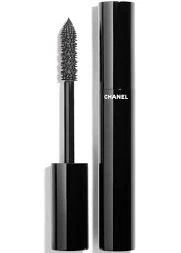
- pigments, waxes, polymers (unspecified)
- Lead
5 hazards checked on this product, all on its full breakdown.
Find an alternative on Amazon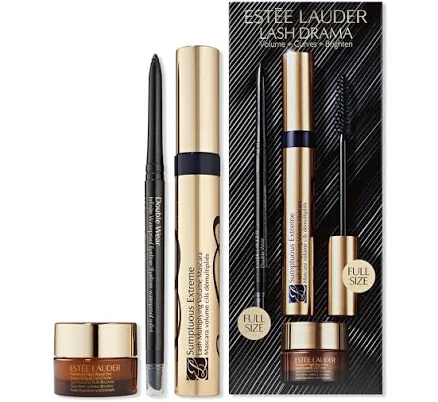
- pigments, waxes, film-formers in liquid mascara
- Heavy metals
5 hazards checked on this product, all on its full breakdown.
Find an alternative on AmazonMore waterproof mascara grades
How we score, every product runs through the same public 0-100 rubric based on materials, coatings, brand disclosure, lab findings, and recalls. See the full methodology → Spotted a mistake? Report an error.