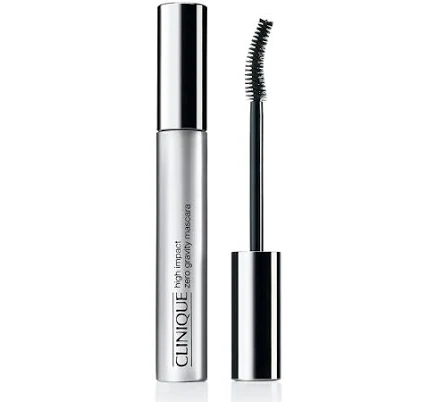
Clinique High Impact Zero Gravity Mascara
Skip until Clinique reveals waterproofing chemistry.
Clinique makes no PFAS statement for this waterproof mascara. Waterproof cosmetics commonly rely on fluorinated compounds, but ingredient transparency is absent.
The better-graded swap
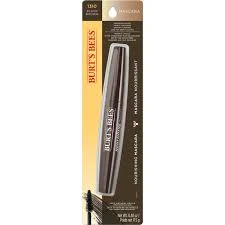
Burt's Bees
Burt's Bees 100% Natural Nourishing Mascara, Black Brown
75/100 safety
Same rubric that flunked this product. The swap earned Excellent.
Still want this one anyway? Check the price on Amazon. We’d swap it.
Material
Polymer film, silicones, waterproofing agents (unspecified)
Lab data
No public lab test
You may also be interested in
Top-graded picks in the categories readers replace first, every one scored on the same rubric.

- polypropylene filter housing, carbon/sediment cartridge
- We found no PFAS statement from the brand
- Bacterial growth in spent cartridges
3 hazards checked on this product, all on its full breakdown.

Aquasure
Premier Series 75 GPD Under Sink Reverse Osmosis Water Filtration System
- RO membrane, carbon filters, stainless steel housing
- We found no PFAS statement from the brand
- Bacterial and microbial growth in housing and filters
4 hazards checked on this product, all on its full breakdown.

Avocado
Vegan Mattress
- organic cotton, natural latex, coconut coir, recycled steel coils
- The brand calls it PFAS-free, which we have not verified
- Heavy metals
2 hazards checked on this product, all on its full breakdown.
What Clinique High Impact Zero Gravity Mascara is made of, ingredients and materials
Clinique High Impact Zero Gravity uses a polymer film base (likely acrylate or similar synthetic resin) combined with silicones for texture and waterproofing agents to resist moisture. The specific waterproofing chemistry is not disclosed on labels or marketing materials, which is the primary safety red flag, waterproofing in mascaras is often achieved with fluorinated compounds (PFAS), waxes, or silicone oils. The silicone content itself is generally well-tolerated on skin and lashes, but undisclosed waterproofing agents prevent full risk assessment.
What’s concerning
Category baseline
The starting point for this type of product, before anything specific to this product is counted.
No PFAS disclosure
No public statement from the brand about PFAS in this product.
Waterproof / stain-resistant treatment
Water-repellent coating treatments have historically used PFAS.
Undisclosed waterproofing agents (presumed fluorinated)
Waterproof mascaras commonly use PFAS-based compounds; Clinique does not disclose which agents are in this formula, preventing independent assessment of PFAS risk.
Fragrance allergens (if present in formulation)
Clinique mascaras may contain fragrance or essential oils not always listed on packaging; eye-area application carries higher allergic contact dermatitis risk than other cosmetics.
Bacterial contamination during use
Open mascara wands in warm, moist environments (eye area, bathroom) can harbor bacteria after 3 months; waterproof formulas do not inhibit microbial growth and are harder to remove, increasing infection risk if applicator is shared or reused.
Polymer film coating irritation on sensitive eyes
The film-forming polymer base is associated with mild irritation or grittiness in individuals with dry eye syndrome or contact lens wearers if not fully removed each night.
What’s reassuring
Heavy metals
No specific recalls or testing reports for this product; FDA-approved synthetic iron oxides and CI dyes are used in most mainstream mascaras and carry minimal contamination risk when applied externally to lashes.
Source, FDA ↗How is this PFAS grade calculated?
The brand's record and disclosure
Clinique (owned by Estee Lauder) does not publicly disclose waterproofing agent chemistry for this product and has not published a PFAS commitment or phase-out timeline despite industry pressure. The brand has no recorded safety recalls specifically for this mascara, and it is approved for use under US FDA cosmetic regulations. However, silence on fluorinated compound use in waterproof formulations is increasingly recognized as a transparency gap, not a safety certifier.
How it compares in its category
Most waterproof mascaras on the market face the same disclosure vacuum around waterproofing agents. Clinique's product is mid-to-premium priced and widely available, making it typical rather than exceptional. Some brands (e.g., Beautycounter, certain indie lines) have committed to PFAS-free waterproofing using waxes or plant-based alternatives, which offers a clearer choice if PFAS avoidance is a priority. This product offers no stated advantage in transparency or alternative chemistry.
If you buy it
Use standard mascara removal practices, oil-based cleansers or micellar water are more effective than water alone and reduce harsh rubbing that can damage lashes. Do not sleep with mascara on; overnight wear increases risk of bacterial growth in the eye area and lash follicle irritation. Replace mascara every 3 months (waterproof formulas do not degrade faster, but opened containers accumulate microorganisms). If eye irritation, redness, or swelling develops, discontinue and consult an eye care professional.
What is not known about PFAS in this product?
- Basis
- Model estimate, 45% confidence, not a lab result
- Lab test
- None on record for this exact product
- Brand statement
- Clinique has made a specific claim
Formulations change between production runs, so check the current label. How we grade.
What are the PFAS-free alternatives to Clinique High Impact Zero Gravity Mascara?
- Wax, pigments, natural oils (typical mascara base)
- Fragrance allergens and undisclosed sensitizers
2 hazards checked on this product, all on its full breakdown.
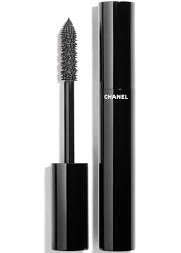
- pigments, waxes, polymers (unspecified)
- Lead
5 hazards checked on this product, all on its full breakdown.
Find an alternative on Amazon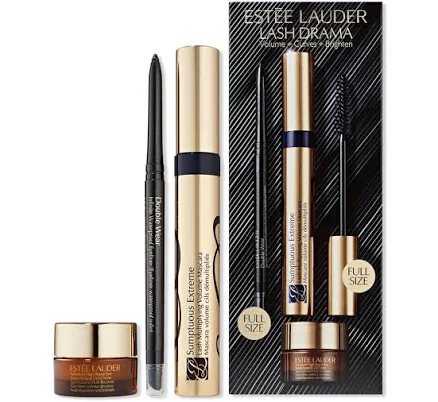
- pigments, waxes, film-formers in liquid mascara
- Heavy metals
5 hazards checked on this product, all on its full breakdown.
Find an alternative on AmazonMore waterproof mascara grades
How we score, every product runs through the same public 0-100 rubric based on materials, coatings, brand disclosure, lab findings, and recalls. See the full methodology → Spotted a mistake? Report an error.