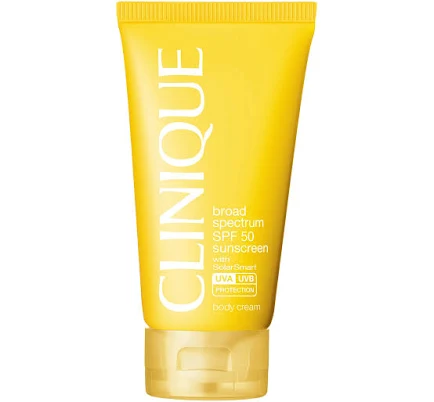
Clinique SPF 50 Body Cream
Lower concern; no known PFAS triggers in standard base.
Body creams typically combine emulsifiers and oils without intentional PFAS additions. Clinique does not disclose PFAS status and no public testing exists.
We flunk more products than we pass. This one earned its grade. How we grade
Material
Emulsified creams, oils, humectants (typical body lotion base)
Lab data
No public lab test
You may also be interested in
Top-graded picks in the categories readers replace first, every one scored on the same rubric.

- polypropylene filter housing, carbon/sediment cartridge
- We found no PFAS statement from the brand
- Bacterial growth in spent cartridges
3 hazards checked on this product, all on its full breakdown.

Aquasure
Premier Series 75 GPD Under Sink Reverse Osmosis Water Filtration System
- RO membrane, carbon filters, stainless steel housing
- We found no PFAS statement from the brand
- Bacterial and microbial growth in housing and filters
4 hazards checked on this product, all on its full breakdown.

Avocado
Vegan Mattress
- organic cotton, natural latex, coconut coir, recycled steel coils
- The brand calls it PFAS-free, which we have not verified
- Heavy metals
2 hazards checked on this product, all on its full breakdown.
What Clinique SPF 50 Body Cream is made of, ingredients and materials
Clinique SPF 50 Body Cream is an oil-in-water emulsion combining UV-blocking actives (likely avobenzone and/or octinoxate or mineral filters like zinc oxide), humectants (glycerin), and emollient oils. The emulsified base itself does not typically leach heavy metals or degrade into hazardous byproducts under normal storage or skin contact. Body creams in this category are not heated during use, eliminating thermal degradation risks seen in cookware or heavily processed plastics.
What’s concerning
Category baseline
The starting point for this type of product, before anything specific to this product is counted.
No PFAS disclosure
No public statement from the brand about PFAS in this product.
Fragrance allergens and sensitizers
Clinique does not publicly disclose fragrance allergens (citral, limonene, linalool, etc.) in this product. Body creams formulated with fragrance blends carry a low but documented risk of contact dermatitis or photoallergy when combined with UV exposure.
UV actives photoallergy or photosensitivity
Avobenzone and octinoxate, common in chemical sunscreens, can trigger photoallergic reactions in a small subset of users, especially if applied unevenly or in high concentration. This is a known class effect, not specific to Clinique, but relevant to product use.
Emulsifier or surfactant irritation
Oil-in-water creams rely on surfactants and emulsifiers (e.g., cetyl alcohol, stearic acid derivatives) that may cause mild irritation on sensitive or damaged skin, though this is irritation rather than systemic toxicity.
What’s reassuring
Base material not linked to PFAS
The main material recorded for this product is not one associated with PFAS.
Heavy metals
No recalls or regulatory findings of lead, cadmium, or arsenic in Clinique body creams are on record. Body creams typically contain minimal pigmentation compared to makeup, lowering this risk inherently.
Source, FDA ↗Formaldehyde / VOCs
Clinique has not published preservative systems for this product publicly. Standard industry practice uses non-formaldehyde-releasing preservatives in rinse-off creams; no established controversy exists for this brand or product.
Source, ATSDR ↗How is this PFAS grade calculated?
The brand's record and disclosure
Clinique (Estée Lauder group) has not issued public PFAS statements or commitments for this product line, which is typical for the beauty industry but represents a transparency gap. The brand has no documented recalls tied to heavy metal contamination, talc safety issues, or problematic fragrance allergens in recent years. Clinique does not publish ingredient transparency reports or third-party certifications (like EWG Verified) for this product, making independent verification difficult.
How it compares in its category
Body sunscreen creams from mainstream brands occupy a middle ground, less likely than budget alternatives to contain unapproved colorants or heavy metal pigments, but less transparent than premium brands using mineral-only filters and certified organic bases. Clinique's formula sits in the conventional cosmetic lane without added red flags like talc or known formaldehyde-releasing preservatives based on publicly available ingredient lists. Consumers seeking higher transparency typically turn to brands with EWG certification or independent third-party testing claims.
If you buy it
Store the product below 25°C (77°F) to prevent emulsion breakdown and potential separation of oil and water phases, which can alter efficacy. Do not apply excessively around eyes or mucous membranes where surfactants in the emulsion may cause irritation; standard body application on intact skin carries minimal risk. Replace after 12 months of opening or if the texture separates visibly. Discontinue immediately if rash, burning, or sensitization develops, which may indicate allergy to UV actives or fragrance components rather than acute toxicity.
What is not known about PFAS in this product?
- Basis
- Model estimate, 72% confidence, not a lab result
- Lab test
- None on record for this exact product
- Brand statement
- Clinique has made a specific claim
Formulations change between production runs, so check the current label. How we grade.
What are the PFAS-free alternatives to Clinique SPF 50 Body Cream?
- Mineral sunscreen, zinc oxide base
- A third party reports verifying it as PFAS-free
- 1,4-dioxane (non-intentional contaminant from surfactants/emulsifiers)
2 hazards checked on this product, all on its full breakdown.
- mineral sunscreen (zinc oxide or titanium dioxide base)
- The brand calls it PFAS-free, which we have not verified
- Synthetic fragrance allergens
More sunscreen grades
How we score, every product runs through the same public 0-100 rubric based on materials, coatings, brand disclosure, lab findings, and recalls. See the full methodology → Spotted a mistake? Report an error.