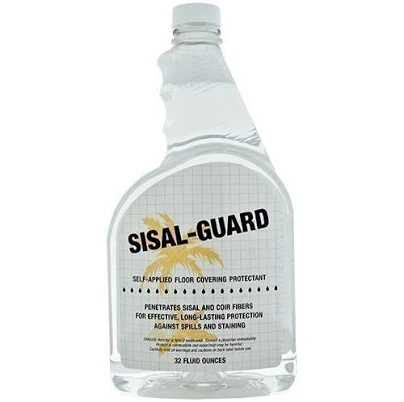
Sisal Guard Carpet Sealant 32oz Spray
Avoid until ingredient disclosure available, stain-resist coatings often contain PFAS.
The brand does not disclose sealant chemistry or PFAS status for this product. Carpet stain-resist treatments commonly use fluorinated compounds, and risk cannot be assessed without transparency.
Still want this one anyway? Check the price on Amazon. We’d swap it.
Material
Proprietary carpet sealant coating, composition unspecified
Brand disclosure
Brand is silent on PFAS
Lab data
No public lab test
What Sisal Guard Carpet Sealant 32oz Spray is made of, ingredients and materials
Sisal Guard lists no detailed ingredient breakdown on available product labels, only describing itself as a carpet sealant coating. Spray-applied stain-resist products typically contain urethane or acrylic binders, silicone-based water repellents, and solvent carriers. The proprietary formulation means no third-party verification of chemical content is publicly available, creating uncertainty around volatile organic compounds (VOCs) and potential PFAS use as a water and oil repellent agent.
What’s concerning
No PFAS disclosure
No public statement from the brand about PFAS in this product.
Category baseline
The starting point for this type of product, before anything specific to this product is counted.
Waterproof / stain-resistant treatment
Water-repellent coating treatments have historically used PFAS.
Volatile organic compounds (VOCs) / off-gassing
Spray-applied carpet sealants typically contain solvent carriers (often aliphatic or aromatic hydrocarbons) that off-gas during and after application. The brand does not disclose VOC content or solvent type, making individual exposure risk unclear without third-party testing.
PFAS
Stain and water-resistant coatings commonly use PFAS chemistry. Brand silence on this ingredient is a red flag in the category. Until the brand explicitly states PFAS-free formulation, presence cannot be ruled out. [Note, PFAS graded separately per brief; see PFAS score 30/100.]
Source, ATSDR ↗Respiratory irritation from spray inhalation
Any spray-applied solvent-based coating poses acute inhalation risk during application. Absence of odor warnings or VOC limits on the label is notable and suggests either low-information labeling or reformulation; confirm with SDS.
Residue buildup and reapplication risk
Repeated applications without documented removability may cause product layering on carpet fibers, potentially trapping dust, moisture, or degraded coating particles over time. Cleaning protocol between reapplications is not specified.
What’s reassuring
Flame retardants
No evidence that Sisal Guard contains added flame retardants based on product literature. However, proprietary status means non-disclosure is possible; request Safety Data Sheet (SDS) from the brand to confirm absence.
Source, EPA ↗The full breakdown
The brand's record and disclosure
The brand has not issued public statements on PFAS presence or absence in this product, nor has the company published full ingredient transparency for Sisal Guard. No independent certifications (GreenGuard, SCS, or similar) are listed on product materials. The brand is a consumer carpet-care service company with long market presence, but chemical disclosure practices remain opaque for this specific sealant formula.
How it compares in its category
Carpet sealants fall into two camps, proprietary urethane/silicone formulations (like this one) and certified lower-VOC or PFAS-free alternatives. Products marketed without full ingredient disclosure are less verifiable than brands (e.g., GreenFiber, some Scotchgard variants) that publish solvent and repellent chemistry. Sisal Guard's spray format and lack of environmental certifications place it in the standard commercial tier, where PFAS and VOC risks are neither ruled out nor confirmed.
If you buy it
Apply in well-ventilated spaces (open windows, fans running) and avoid inhalation of spray mist. Do not apply to natural fiber carpets (sisal, jute, wool) immediately before use; allow 24-48 hours dry time and retest on a hidden corner first. Reapply every 12-18 months depending on foot traffic. Do not use near infants, pregnant individuals, or those with respiratory sensitivity until full off-gassing (typically 48-72 hours) is complete.
What we don’t know
- Basis
- Model estimate, 45% confidence, not a lab result
- Lab test
- None on record for this exact product
- Brand statement
- has made none
Formulations change between production runs, so check the current label. How we grade.
Better-graded alternatives in Fabric Stain Guard Sprays
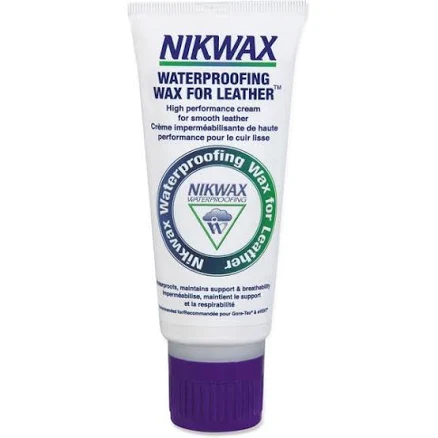
Nikwax
Waterproofing Wax for Leather
- wax-based waterproofing
- The brand calls it PFAS-free, which we have not verified
- Respiratory irritation or fume inhalation during application
2 hazards checked on this product. See all of them.
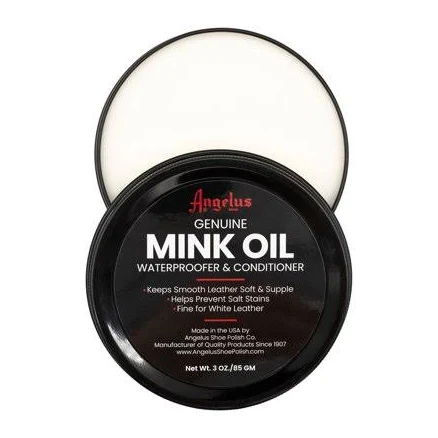
Angelus
Mink Oil Paste Leather Waterproofer and Contitioner 3 oz
- mink oil paste, natural oil-based conditioner
- We found no PFAS statement from the brand
- Microbial growth (natural oil rancidity)
2 hazards checked on this product. See all of them.
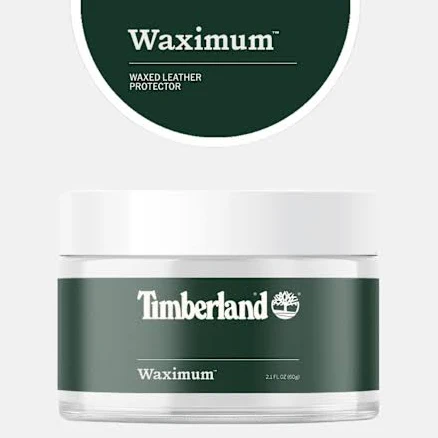
Timberland
Waximum Waxed Leather Protector
- Wax-based leather protector
- We found no PFAS statement from the brand
- Volatile organic compounds (VOCs) from solvents
3 hazards checked on this product. See all of them.
More fabric stain guard sprays grades
How we score, every product runs through the same public 0-100 rubric based on materials, coatings, brand disclosure, lab findings, and recalls. See the full methodology → Spotted a mistake? Report an error.