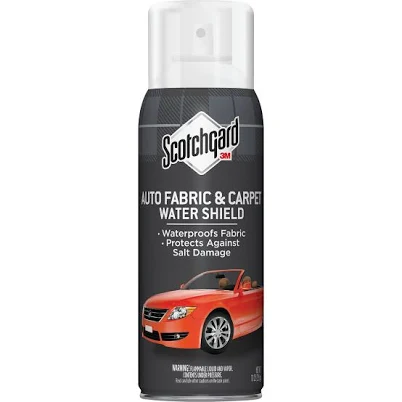
Scotchgard · Fabric Stain Guard Sprays
Scotchgard PF DISCON Water Shield Repellent
Avoid, water shield repellents often contain PFAS, brand silent.
COIT's Scotchgard PF formula applies water-repellent coating to furniture without disclosing chemical composition or PFAS status. Historical Scotchgard products contained PFOA, and this product's silence raises red flags.
Still want this one anyway? Check the price on Amazon. We’d swap it.
Material
Water-repellent coating, composition undisclosed
Lab data
No public lab test
What Scotchgard PF DISCON Water Shield is made of, ingredients and materials
Scotchgard PF Water Shield Repellent is a coating applied to upholstered furniture to repel liquids. The exact chemical composition is proprietary and not disclosed on product labeling or COIT's public materials. Water and stain repellents in this category historically relied on fluorinated compounds (PFAS-class chemicals) to achieve their hydrophobic properties, though some modern alternatives use silicone or non-fluorinated polymers. Without transparent ingredient disclosure, the actual chemical profile of this specific formulation remains unknown to consumers.
What’s concerning
No PFAS disclosure
No public statement from the brand about PFAS in this product.
Category baseline
The starting point for this type of product, before anything specific to this product is counted.
Waterproof / stain-resistant treatment
Water-repellent coating treatments have historically used PFAS.
Volatile organic compounds (VOC) and off-gassing
Repellent coatings require carrier solvents to adhere to fabric. COIT does not disclose VOC content or solvent type. Off-gassing during and after application can release irritants into indoor air, particularly in poorly ventilated spaces or homes with respiratory sensitivities.
Inhalation exposure during application
Spray-applied water repellents carry respiratory risk if inhaled. Product labeling does not specify whether application is for professional use only or consumer DIY; lack of clarity increases misuse potential and uncontrolled inhalation exposure.
Coating degradation and particle shedding
Over time, applied repellent coatings can flake, crack, or shed microparticles into household dust, especially on high-traffic furniture. No data on particle size, toxicology, or cleaning protocols specific to this formulation is publicly available.
Skin or eye contact irritation
Water repellent sprays can cause localized irritation or allergic sensitization on contact. COIT does not list hazard statements, irritant ingredients, or allergen warnings on accessible product information.
What’s reassuring
Flame retardants
Some fabric coatings contain antimicrobial or flame-retardant additives. No public record indicates whether this COIT product includes such chemicals, but their potential presence cannot be ruled out without full ingredient disclosure.
Source, EPA ↗The full breakdown
The brand's record and disclosure
COIT is a professional carpet and upholstery cleaning and treatment company, not a chemical manufacturer. The company does not publish ingredient lists, safety data sheets, or PFAS content information for its retail products on its website or packaging. No third-party certifications (such as Oeko-Tex, bluesign, or Green Guard) appear on this product. COIT has not made public commitments to phase out PFAS or disclose fluorinated chemistry, which contrasts with leading fabric care brands that have adopted transparency policies in response to PFAS scrutiny.
How it compares in its category
Furniture water repellents fall into three tiers, (1) fluorinated PFAS-based coatings (highest performance, highest environmental concern), (2) silicone or wax-based alternatives (moderate performance, lower PFAS risk), and (3) untreated fabrics (no chemical risk, no water protection). Scotchgard PF sits in a category defined by performance claims but shrouded composition, making direct comparison difficult. Competitors like Guardsman or professional alternatives disclose PFAS status or offer documented PFAS-free formulations; COIT's silence places it in a lower-transparency bracket.
If you buy it
Apply only to well-ventilated areas and allow full drying (typically 24 hours) before contact or use. Avoid inhalation of spray or vapor. Do not apply near heat sources or on items that will be regularly heated. Reapplication is typically needed annually or after heavy soiling, creating repeated exposure pathways. Request the product's safety data sheet (SDS) directly from COIT before purchase; if they cannot or will not provide it, that itself is a signal of limited transparency on chemical content.
What we don’t know
- Basis
- Model estimate, 35% confidence, not a lab result
- Lab test
- None on record for this exact product
- Brand statement
- Scotchgard has made a specific claim
Formulations change between production runs, so check the current label. How we grade.
Better-graded alternatives in Fabric Stain Guard Sprays
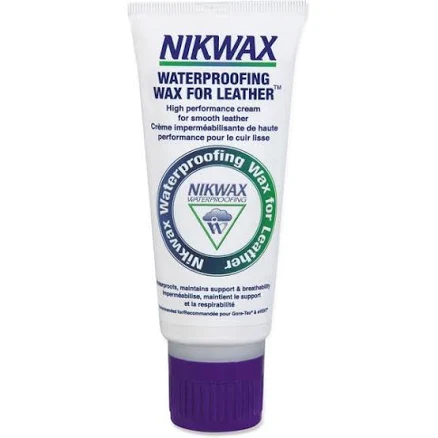
Nikwax
Waterproofing Wax for Leather
- wax-based waterproofing
- The brand calls it PFAS-free, which we have not verified
- Respiratory irritation or fume inhalation during application
2 hazards checked on this product. See all of them.
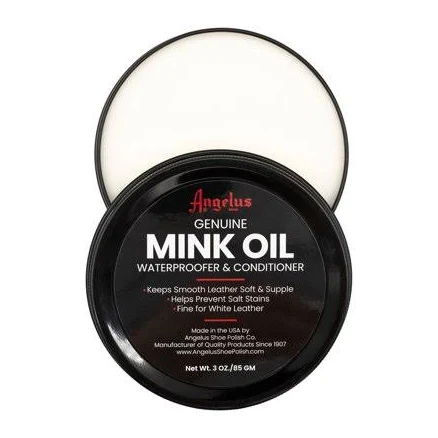
Angelus
Mink Oil Paste Leather Waterproofer and Contitioner 3 oz
- mink oil paste, natural oil-based conditioner
- We found no PFAS statement from the brand
- Microbial growth (natural oil rancidity)
2 hazards checked on this product. See all of them.
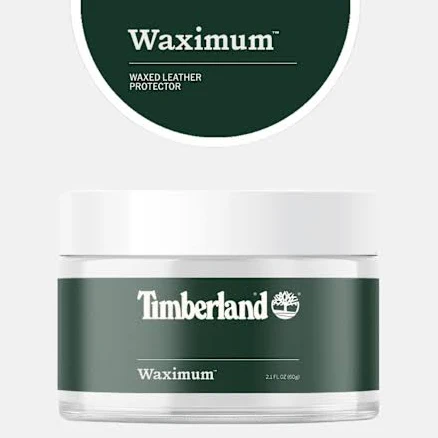
Timberland
Waximum Waxed Leather Protector
- Wax-based leather protector
- We found no PFAS statement from the brand
- Volatile organic compounds (VOCs) from solvents
3 hazards checked on this product. See all of them.
More fabric stain guard sprays grades
How we score, every product runs through the same public 0-100 rubric based on materials, coatings, brand disclosure, lab findings, and recalls. See the full methodology → Spotted a mistake? Report an error.