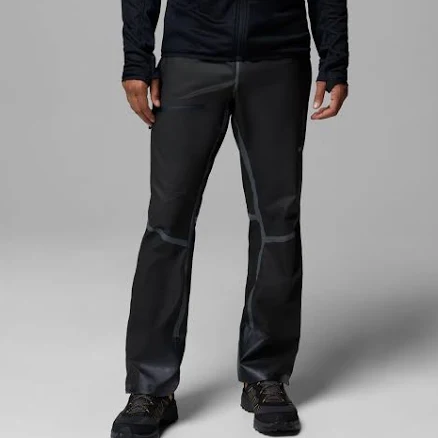
Columbia Men's Whistler Peak Waterproof Rain Pants
Avoid unless Columbia reveals water-repellent coating chemistry; waterproof apparel usually requires PFAS.
The polyester shell's water-repellent coating typically relies on PFAS to function, but Columbia makes no public statement on what chemistry is used. No third-party testing confirms PFAS-free status.
Still want this one anyway? Check the price on Amazon. We’d swap it.
Material
Polyester shell with water-repellent coating (water-repellent coating) finish
Lab data
No public lab test
You may also be interested in
Top-graded picks in the categories readers replace first, every one scored on the same rubric.

- polypropylene filter housing, carbon/sediment cartridge
- We found no PFAS statement from the brand
- Bacterial growth in spent cartridges
3 hazards checked on this product, all on its full breakdown.

Aquasure
Premier Series 75 GPD Under Sink Reverse Osmosis Water Filtration System
- RO membrane, carbon filters, stainless steel housing
- We found no PFAS statement from the brand
- Bacterial and microbial growth in housing and filters
4 hazards checked on this product, all on its full breakdown.

Avocado
Vegan Mattress
- organic cotton, natural latex, coconut coir, recycled steel coils
- The brand calls it PFAS-free, which we have not verified
- Heavy metals
2 hazards checked on this product, all on its full breakdown.
What Columbia Men's Whistler Peak Rain Pants is made of, ingredients and materials
These pants use a polyester shell fabric with a water-repellent coating (water-repellent coating) finish applied to the surface. The water-repellent coating is where PFAS chemicals typically hide in waterproof apparel, but Columbia has not publicly disclosed the chemistry of this finish. Polyester itself may contain residual formaldehyde from manufacturing resins and synthetic azo dyes used for coloring, both of which can off-gas or leach in minor amounts, especially during the first few washes.
What’s concerning
Category baseline
The starting point for this type of product, before anything specific to this product is counted.
No PFAS disclosure
No public statement from the brand about PFAS in this product.
Waterproof / stain-resistant treatment
Water-repellent coating treatments have historically used PFAS.
PFAS
Waterproof polyester apparel commonly uses PFAS-based durable water repellents. Columbia has not disclosed the chemistry, so presence cannot be ruled out. If present, PFAS can accumulate in body and environment with repeated exposure and laundering.
Source, ATSDR ↗Formaldehyde / VOCs
Polyester fabrics may retain trace formaldehyde from manufacturing resins, particularly new garments. Off-gassing is typically minimal and diminishes with washing, but sensitive individuals may notice odor or irritation on first wear.
Source, ATSDR ↗Azo dyes and colorant compounds
Synthetic polyester dyes, especially in darker colors, may include azo compounds that can degrade under UV light or heat. Leaching into sweat is minimal under normal wear but increases with heat and friction (e.g., abrasion, high-temperature washing).
Microfiber shedding during use and washing
Polyester textiles shed microfibers during wear and laundering. These particles persist in water systems. Washing in a microfiber-capture bag or using a washing machine filter can reduce environmental release but does not eliminate it.
water-repellent coating degradation and leachables
As the water-repellent coating finish wears, particles may shed and leach into wash water or directly contact skin. Degraded coatings are less effective, triggering re-treatment with more chemicals. Long-term fate of shed water-repellent coating materials is not well characterized for fluorine-free alternatives either.
How is this PFAS grade calculated?
The brand's record and disclosure
Columbia has not made a public commitment to eliminating PFAS from its waterproof gear or published the water-repellent coating chemistry for specific products. The company does not appear in major third-party certifications targeting PFAS-free outdoor apparel (such as Bluesign or similar). This silence on a widely documented concern in the waterproof clothing industry is a notable gap, though it does not confirm PFAS presence, only a lack of transparency.
How it compares in its category
Most waterproof snow pants rely on water-repellent coating treatments; few brands disclose whether they use PFAS or fluorine-free alternatives. Columbia's positioning and price point are mainstream rather than premium eco-focused. Competitors offering explicit PFAS-free claims (such as some Patagonia lines or brands using wax-based water-repellent coating) are available but typically cost more; most budget and mid-range waterproof pants share Columbia's transparency gap.
If you buy it
Wash in cold water with mild detergent and air dry to limit any off-gassing of formaldehyde or azo-dye compounds, and to preserve the water-repellent coating. Avoid high heat (no dryer), as synthetic fabrics may degrade and leach more readily when heated. Replace or re-treat the water-repellent coating if water stops beading; older, degraded coatings may shed microfibers. Expect to reapply water-repellent coating treatment every 1-2 years of regular use if you want sustained water resistance.
What is not known about PFAS in this product?
- Basis
- Model estimate, 42% confidence, not a lab result
- Lab test
- None on record for this exact product
- Brand statement
- Columbia has made a specific claim
Formulations change between production runs, so check the current label. How we grade.
What are the PFAS-free alternatives to Columbia Men's Whistler Peak Waterproof Rain Pants?
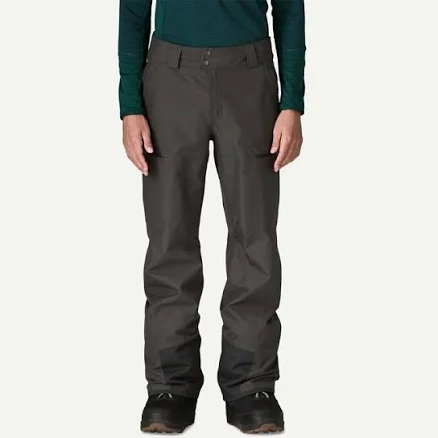
- nylon blend with water-repellent coating water-repellent treatment
- The brand calls it PFAS-free, which we have not verified
- water-repellent coating chemistry (unspecified)
3 hazards checked on this product, all on its full breakdown.
Find an alternative on Amazon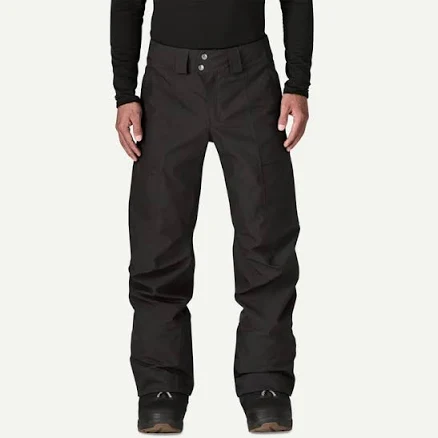
- Nylon blend with water-repellent coating treatment (likely fluorocarbon-based)
- The brand calls it PFAS-free, which we have not verified
- PFAS
3 hazards checked on this product, all on its full breakdown.
Find an alternative on Amazon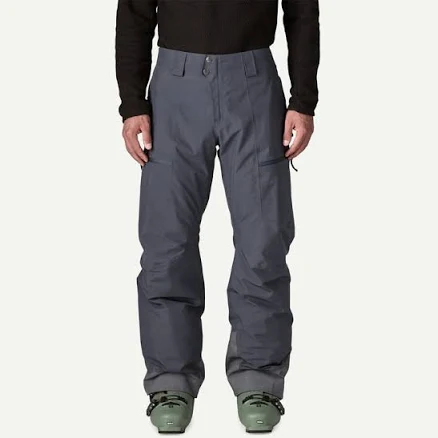
- Polyester shell with water-repellent coating (water-repellent coating) finish; insulated lining
- The brand calls it PFAS-free, which we have not verified
- water-repellent coating (water-repellent coating) treatment composition
3 hazards checked on this product, all on its full breakdown.
Find an alternative on AmazonMore snow pants grades
How we score, every product runs through the same public 0-100 rubric based on materials, coatings, brand disclosure, lab findings, and recalls. See the full methodology → Spotted a mistake? Report an error.