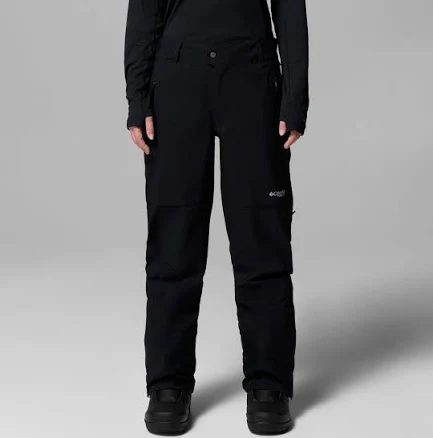
Columbia Women's Platinum Peak II 3L Pants
Avoid until Columbia clarifies water-repellent coating chemistry; 3L waterproofing commonly uses fluorinated treatments.
This 3-layer technical pant uses a nylon/polyester blend with water-repellent coating, which historically relies on fluorinated compounds. Columbia offers no public disclosure about PFAS content.
Still want this one anyway? Check the price on Amazon. We’d swap it.
Material
Nylon/polyester blend with water-repellent coating finish
Lab data
No public lab test
You may also be interested in
Top-graded picks in the categories readers replace first, every one scored on the same rubric.

- polypropylene filter housing, carbon/sediment cartridge
- We found no PFAS statement from the brand
- Bacterial growth in spent cartridges
3 hazards checked on this product, all on its full breakdown.

Aquasure
Premier Series 75 GPD Under Sink Reverse Osmosis Water Filtration System
- RO membrane, carbon filters, stainless steel housing
- We found no PFAS statement from the brand
- Bacterial and microbial growth in housing and filters
4 hazards checked on this product, all on its full breakdown.

Avocado
Vegan Mattress
- organic cotton, natural latex, coconut coir, recycled steel coils
- The brand calls it PFAS-free, which we have not verified
- Heavy metals
2 hazards checked on this product, all on its full breakdown.
What Columbia Women's Platinum Peak II 3L Pants is made of, ingredients and materials
The Platinum Peak II uses a nylon/polyester blend (typical 50/50 or 60/40 construction) with a water-repellent coating (water-repellent coating) finish applied to the outer fabric. Three-layer (3L) construction means the outer shell, a breathable membrane, and an inner lining. The water-repellent coating finish is the functional concern, most budget and mid-range snowwear brands still use fluorinated water-repellent coating compounds, though the industry is slowly moving toward fluorine-free alternatives. Columbia has not publicly disclosed their specific water-repellent coating chemistry for this model.
What’s concerning
Category baseline
The starting point for this type of product, before anything specific to this product is counted.
No PFAS disclosure
No public statement from the brand about PFAS in this product.
Waterproof / stain-resistant treatment
Water-repellent coating treatments have historically used PFAS.
PFAS
3L construction and Columbia's silent water-repellent coating stance make fluorinated finish probable. These compounds are persistent environmental contaminants but pose minimal direct hazard during wear; risk is primarily post-use (laundering releases trace amounts into wastewater).
Source, ATSDR ↗Polyester microfiber shedding
Washing synthetic outerwear releases microfibers into wastewater. This is an environmental concern (microplastic pollution) rather than a wearer safety issue. Minimal risk to user; higher risk to aquatic ecosystems.
Membrane/laminate degradation over time
3L snowpants commonly experience delamination or membrane breakdown after 300-500 hours of use, especially in wet conditions or with improper care. This is not a chemical hazard but reduces effectiveness and may prompt premature replacement.
What’s reassuring
Formaldehyde / VOCs
No public recalls or test reports of excess formaldehyde in Columbia outerwear. Nylon/polyester blends receive less formaldehyde-intensive finishing than cotton apparel, but small residues are standard in textiles. Pre-wash mitigates exposure.
Source, ATSDR ↗Azo dyes (color fastness)
Columbia does not disclose dye chemistry for this model. Black/dark colorways are standard; azo dyes are restricted in EU apparel but unregulated in US. No documented health hazard from wearing dyed nylon/polyester, but some azo compounds release carcinogenic amines if abraded or heavily sweated on.
How is this PFAS grade calculated?
The brand's record and disclosure
Columbia Sportswear has no published commitment to phasing out PFAS or fluorinated water-repellent coating finishes as of available records. The brand does not prominently advertise water-repellent coating-free alternatives or third-party certifications (like OEKO-TEX or bluesign) for this product line. They have responded to general PFAS inquiries from advocacy groups but have not changed labeling or marketing to reflect transparency. For comparison, brands like Arc'teryx and some Patagonia lines have disclosed movement away from fluorinated treatments.
How it compares in its category
Platinum Peak II sits in the mid-range snowwear category (typically USD 150-250). Most competitors at this price point (Salomon, Helly Hansen, Mammut budget lines) also use fluorinated water-repellent coating without disclosure. Premium brands (Arc'teryx, Rab, higher-end Patagonia) increasingly offer PFAS-free or disclosed alternatives, but at 30-50% higher cost. Budget alternatives (Decathlon, store brands) vary widely; some now label PFAS-free explicitly. This product is neither exceptional nor the worst in its tier for environmental and chemical transparency.
If you buy it
Wear the pants as intended for winter sports; there is no ingestion or direct skin absorption risk at normal use. Wash in cool water with mild detergent before first wear to remove loose finishes. Avoid high-heat drying (use air dry or low tumble); excess heat can degrade the membrane and accelerate water-repellent coating breakdown, after which water repellency fails but the garment remains wearable. Replace when seams fail or zips break, not for chemical safety. If water-repellent coating performance matters, re-apply fluorine-free alternatives (like Nikwax) annually rather than commercial fluorinated sprays.
What is not known about PFAS in this product?
- Basis
- Model estimate, 45% confidence, not a lab result
- Lab test
- None on record for this exact product
- Brand statement
- Columbia has made a specific claim
Formulations change between production runs, so check the current label. How we grade.
What are the PFAS-free alternatives to Columbia Women's Platinum Peak II 3L Pants?
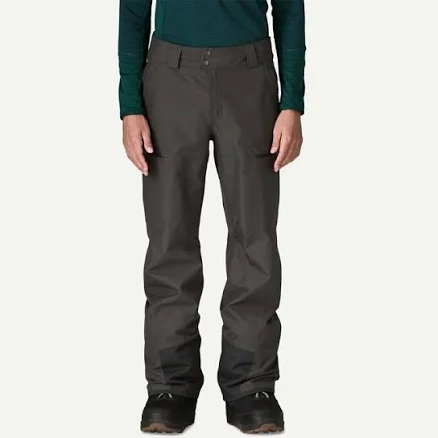
- nylon blend with water-repellent coating water-repellent treatment
- The brand calls it PFAS-free, which we have not verified
- water-repellent coating chemistry (unspecified)
3 hazards checked on this product, all on its full breakdown.
Find an alternative on Amazon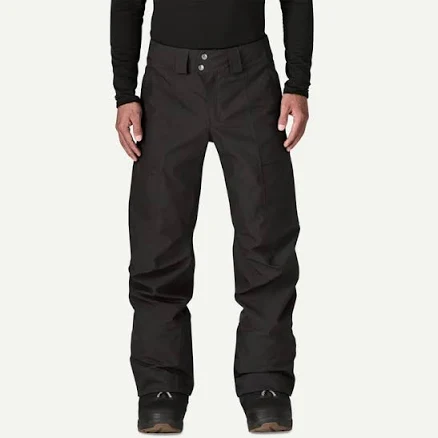
- Nylon blend with water-repellent coating treatment (likely fluorocarbon-based)
- The brand calls it PFAS-free, which we have not verified
- PFAS
3 hazards checked on this product, all on its full breakdown.
Find an alternative on Amazon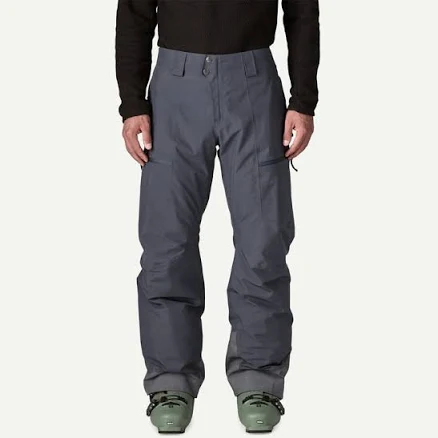
- Polyester shell with water-repellent coating (water-repellent coating) finish; insulated lining
- The brand calls it PFAS-free, which we have not verified
- water-repellent coating (water-repellent coating) treatment composition
3 hazards checked on this product, all on its full breakdown.
Find an alternative on AmazonMore snow pants grades
How we score, every product runs through the same public 0-100 rubric based on materials, coatings, brand disclosure, lab findings, and recalls. See the full methodology → Spotted a mistake? Report an error.