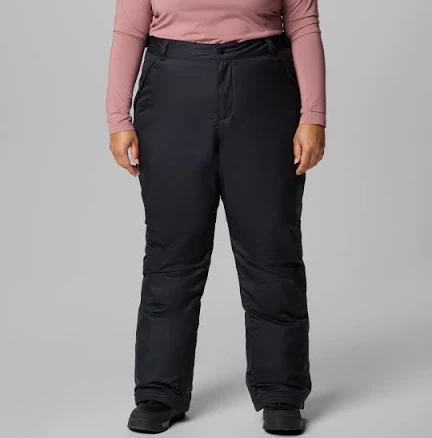
Columbia Women's Slope Seeker Insulated Pants
Avoid or ask Columbia directly, no public PFAS statement for this model.
Insulated polyester ski pants need water-repellent coating for durability, which historically contained PFAS, but Columbia doesn't disclose whether this model uses PFAS or fluorine-free options. No verification exists.
Still want this one anyway? Check the price on Amazon. We’d swap it.
Material
polyester with water-repellent coating (water-repellent coating) finish
Lab data
No public lab test
You may also be interested in
Top-graded picks in the categories readers replace first, every one scored on the same rubric.

- polypropylene filter housing, carbon/sediment cartridge
- We found no PFAS statement from the brand
- Bacterial growth in spent cartridges
3 hazards checked on this product, all on its full breakdown.

Aquasure
Premier Series 75 GPD Under Sink Reverse Osmosis Water Filtration System
- RO membrane, carbon filters, stainless steel housing
- We found no PFAS statement from the brand
- Bacterial and microbial growth in housing and filters
4 hazards checked on this product, all on its full breakdown.

Avocado
Vegan Mattress
- organic cotton, natural latex, coconut coir, recycled steel coils
- The brand calls it PFAS-free, which we have not verified
- Heavy metals
2 hazards checked on this product, all on its full breakdown.
What Columbia Women's Slope Insulated Pants is made of, ingredients and materials
These pants are polyester with a water-repellent coating (water-repellent coating) finish applied to the outer layer. Polyester itself is a stable synthetic polymer with no established leaching risk under normal wear. The water-repellent coating finish is the chemistry wildcard, historically many brands used PFOA or PFOS (long-chain PFAS) to achieve water resistance, though newer fluorine-free alternatives exist. Columbia has not publicly disclosed which water-repellent coating chemistry is used in this specific model, making the PFAS status uncertain.
What’s concerning
Category baseline
The starting point for this type of product, before anything specific to this product is counted.
No PFAS disclosure
No public statement from the brand about PFAS in this product.
Waterproof / stain-resistant treatment
Water-repellent coating treatments have historically used PFAS.
PFAS
Water-repellent coating chemistry not disclosed by Columbia for this model; unknown whether legacy PFOA/PFOS or newer fluorine-free alternatives are used. Risk is primarily environmental persistence if disposed improperly, not direct skin absorption during normal wear.
Source, ATSDR ↗Microplastics
All polyester textiles shed microfibers, especially during washing. Accumulation in waterways is an established concern, though individual exposure during wear is negligible. Washing in a microfiber-catching bag or machine (if available) reduces environmental shed.
Source, EPA ↗Off-gassing from synthetic insulation
Polyester insulation (likely Omni-Heat or similar) can off-gas volatile organic compounds (VOCs), especially when new. Airing out the garment for 24-48 hours before first wear or after storage reduces odor and potential inhalation of residual manufacturing chemicals.
What’s reassuring
Dyes and color fastness
No recalls or documented heavy-metal dye contamination for Columbia snow pants. Polyester takes synthetic dyes well; azo-dye concerns are primarily a textile manufacturing issue, not a post-sale hazard for the consumer.
Flame retardants
Snow pants are not flame-retardant-treated as a category requirement; no evidence of added FR chemicals in this model. Polyester itself has inherent low flammability but is not inherently flame-retardant.
Source, EPA ↗How is this PFAS grade calculated?
The brand's record and disclosure
Columbia Sportswear has not made formal public commitments to PFAS elimination in their outerwear lines, nor do they disclose water-repellent coating chemistry on product pages or labels for most models. The company does market some recycled-content and sustainability initiatives but remains largely silent on PFAS avoidance. This lack of transparency is common in the snow-apparel industry but distinguishes Columbia from a few competitors (e.g., Patagonia) that have begun phasing out or disclosing fluorinated water-repellent coating.
How it compares in its category
Most insulated snow pants in this price range use polyester with fluorinated or fluorine-free water-repellent coating finishes; Columbia sits in the mainstream. Brands with explicit PFAS-free or fluorine-free water-repellent coating claims (Patagonia, Arc'teryx, some Decathlon lines) are available at similar or higher costs but offer clearer chemical transparency. Budget alternatives often have identical disclosure gaps, so Columbia is neither an outlier nor a leader on this metric.
If you buy it
Wash in cool water with mild detergent and air dry; high heat can degrade the water-repellent coating finish and potentially off-gas volatile compounds. Reapply water-repellent coating every 1-2 seasons (many recycled or fluorine-free products are available for this step). Avoid prolonged exposure to heat sources (radiators, direct sun during storage). Do not dry-clean or use fabric softeners, which can damage both the insulation and water repellency. Consider contacting Columbia directly to ask about water-repellent coating chemistry if PFAS exposure is a personal health concern.
What is not known about PFAS in this product?
- Basis
- Model estimate, 45% confidence, not a lab result
- Lab test
- None on record for this exact product
- Brand statement
- Columbia has made a specific claim
Formulations change between production runs, so check the current label. How we grade.
What are the PFAS-free alternatives to Columbia Women's Slope Seeker Insulated Pants?
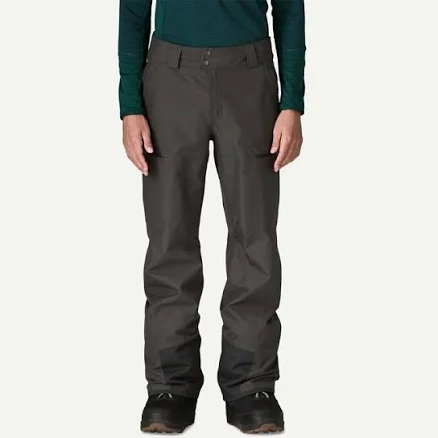
- nylon blend with water-repellent coating water-repellent treatment
- The brand calls it PFAS-free, which we have not verified
- water-repellent coating chemistry (unspecified)
3 hazards checked on this product, all on its full breakdown.
Find an alternative on Amazon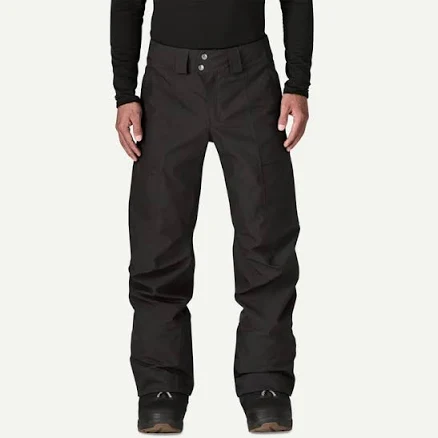
- Nylon blend with water-repellent coating treatment (likely fluorocarbon-based)
- The brand calls it PFAS-free, which we have not verified
- PFAS
3 hazards checked on this product, all on its full breakdown.
Find an alternative on Amazon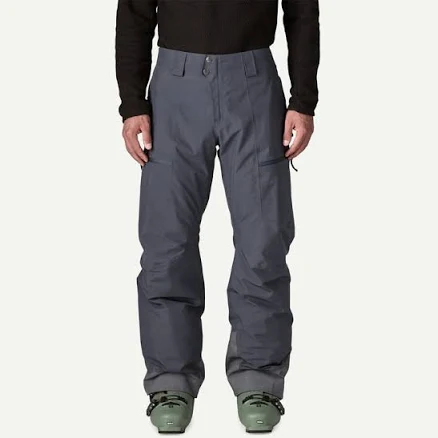
- Polyester shell with water-repellent coating (water-repellent coating) finish; insulated lining
- The brand calls it PFAS-free, which we have not verified
- water-repellent coating (water-repellent coating) treatment composition
3 hazards checked on this product, all on its full breakdown.
Find an alternative on AmazonMore snow pants grades
How we score, every product runs through the same public 0-100 rubric based on materials, coatings, brand disclosure, lab findings, and recalls. See the full methodology → Spotted a mistake? Report an error.