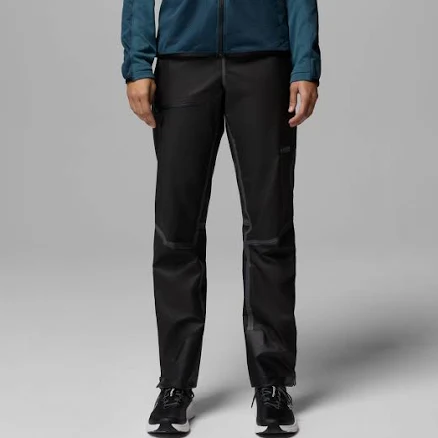
Columbia Women's Whistler Peak Pants
Avoid if concerned about PFAS; Columbia's water-repellent coating finish likely contains legacy PFAS with no transparency.
The nylon/polyester blend has a water-repellent coating water-repellent finish standard in outdoor wear, but Columbia offers no public disclosure on PFAS content. Traditional water-repellent coating commonly contains PFAS.
Still want this one anyway? Check the price on Amazon. We’d swap it.
Material
Nylon/polyester blend with water-repellent coating (water-repellent coating) finish
Lab data
No public lab test
You may also be interested in
Top-graded picks in the categories readers replace first, every one scored on the same rubric.

- polypropylene filter housing, carbon/sediment cartridge
- We found no PFAS statement from the brand
- Bacterial growth in spent cartridges
3 hazards checked on this product, all on its full breakdown.

Aquasure
Premier Series 75 GPD Under Sink Reverse Osmosis Water Filtration System
- RO membrane, carbon filters, stainless steel housing
- We found no PFAS statement from the brand
- Bacterial and microbial growth in housing and filters
4 hazards checked on this product, all on its full breakdown.

Avocado
Vegan Mattress
- organic cotton, natural latex, coconut coir, recycled steel coils
- The brand calls it PFAS-free, which we have not verified
- Heavy metals
2 hazards checked on this product, all on its full breakdown.
What Columbia Women's Whistler Peak Pants is made of, ingredients and materials
These pants are a nylon-polyester blend, a standard choice for outerwear because both fibers are durable, lightweight, and naturally water-resistant to some degree. The water-repellent coating (water-repellent coating) finish applied to the fabric is what creates the water-shedding property; this finish is typically a fluorocarbon chemistry that degrades over time and washing. Nylon and polyester themselves are stable synthetic polymers with low leaching risk under normal wear, but the coating applied on top carries the primary chemical concern.
What’s concerning
Category baseline
The starting point for this type of product, before anything specific to this product is counted.
No PFAS disclosure
No public statement from the brand about PFAS in this product.
Waterproof / stain-resistant treatment
Water-repellent coating treatments have historically used PFAS.
PFAS
Undisclosed water-repellent coating chemistry on this product almost certainly contains fluorocarbon compounds; repeated washing and wear cause gradual release into water and skin contact. Without brand disclosure, legacy PFAS cannot be ruled out.
Source, ATSDR ↗Formaldehyde / VOCs
Durable finishes on synthetic fabrics sometimes contain resin-based treatments that may emit trace formaldehyde; Columbia does not specify finish chemistry, so presence cannot be confirmed or excluded.
Source, ATSDR ↗Microplastic shedding from synthetic fibers
Nylon and polyester shed microfibers during washing and wear; this is an inherent property of all synthetic textiles, not unique to this brand, but relevant to overall environmental and ingestion concerns.
What’s reassuring
Azo dyes in polyester component
No specific recalls or test data on azo dye content in Columbia Whistler Peak pants are on record. Polyester-nylon blends in outerwear typically undergo standard dye testing, but Columbia does not publish colorant safety data.
Heavy metals
No recalls or public testing data indicate heavy metal contamination in Columbia snow pants. Standard textile dyeing in this price range is subject to regulatory limits, but third-party verification is absent.
Source, FDA ↗How is this PFAS grade calculated?
The brand's record and disclosure
Columbia Sportswear does not publicly disclose what water-repellent coating chemistry it uses in this product, nor does it provide third-party certification (such as OEKO-TEX or BLUESIGN) that would rule out legacy PFAS compounds. The brand has faced no major recalls for this product line, but its silence on fluorocarbon treatment is consistent with industry-wide opacity on water-repellent coating sourcing. Consumers seeking full transparency on synthetic finishes will find Columbia's communication insufficient compared to brands that have committed to PFAS-free alternatives.
How it compares in its category
Most snow pants in the mid-to-premium price range use water-repellent coating finishes; Columbia is mainstream in this regard, neither a leader nor laggard in chemical disclosure. Alternatives include brands marketing PFOA-free or fluorocarbon-free water-repellent coating (such as Patagonia with their proprietary finishes, or some models using wax or silicone-based repellents), though these are often more expensive or less durable. If PFAS avoidance is a priority, seeking brands with explicit non-fluorocarbon claims or third-party ecolabels is a more practical approach than choosing between two undisclosed products.
If you buy it
Wash infrequently and in cold water to preserve the water-repellent coating finish and minimize any potential leaching; when the water-repellent property noticeably degrades (usually after 20-30 washes), the coating is breaking down. Do not dry-clean, as solvents can accelerate water-repellent coating degradation. Store in a cool, dry place away from direct heat or sunlight. If PFAS concern is high, consider this a temporary purchase with planned replacement as fluorocarbon-free alternatives mature in the market.
What is not known about PFAS in this product?
- Basis
- Model estimate, 45% confidence, not a lab result
- Lab test
- None on record for this exact product
- Brand statement
- Columbia has made a specific claim
Formulations change between production runs, so check the current label. How we grade.
What are the PFAS-free alternatives to Columbia Women's Whistler Peak Pants?
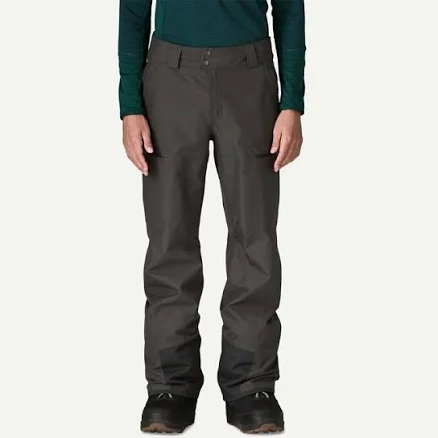
- nylon blend with water-repellent coating water-repellent treatment
- The brand calls it PFAS-free, which we have not verified
- water-repellent coating chemistry (unspecified)
3 hazards checked on this product, all on its full breakdown.
Find an alternative on Amazon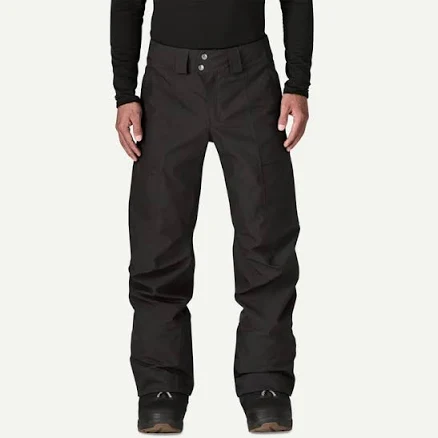
- Nylon blend with water-repellent coating treatment (likely fluorocarbon-based)
- The brand calls it PFAS-free, which we have not verified
- PFAS
3 hazards checked on this product, all on its full breakdown.
Find an alternative on Amazon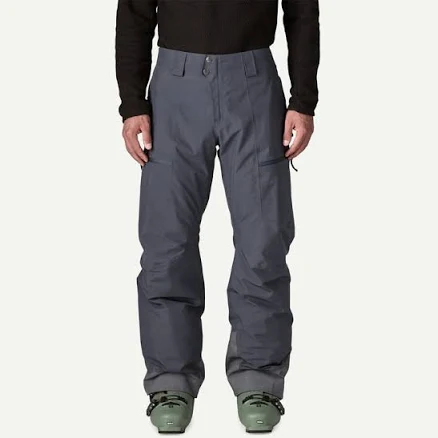
- Polyester shell with water-repellent coating (water-repellent coating) finish; insulated lining
- The brand calls it PFAS-free, which we have not verified
- water-repellent coating (water-repellent coating) treatment composition
3 hazards checked on this product, all on its full breakdown.
Find an alternative on AmazonMore snow pants grades
How we score, every product runs through the same public 0-100 rubric based on materials, coatings, brand disclosure, lab findings, and recalls. See the full methodology → Spotted a mistake? Report an error.