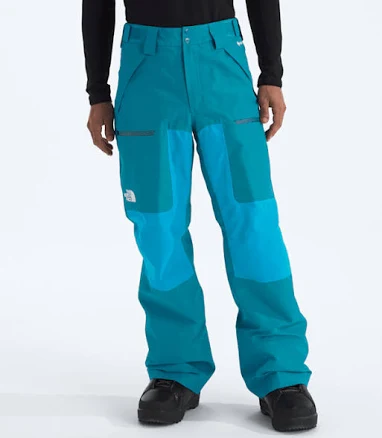
The North Face Men's Dawnstrike GTX Pants
Higher concern. GORE-TEX membrane and water-repellent coating treatment with no brand PFAS disclosure.
These pants feature a GORE-TEX ePTFE membrane laminate and water-repellent coating treatment. Materials of this type have historically been associated with PFAS. The North Face has no PFAS statement on record for this product.
Still want this one anyway? Check the price on Amazon. We’d swap it.
Material
Nylon with GORE-TEX membrane (ePTFE laminate)
Lab data
No public lab test
You may also be interested in
Top-graded picks in the categories readers replace first, every one scored on the same rubric.

- polypropylene filter housing, carbon/sediment cartridge
- We found no PFAS statement from the brand
- Bacterial growth in spent cartridges
3 hazards checked on this product, all on its full breakdown.

Aquasure
Premier Series 75 GPD Under Sink Reverse Osmosis Water Filtration System
- RO membrane, carbon filters, stainless steel housing
- We found no PFAS statement from the brand
- Bacterial and microbial growth in housing and filters
4 hazards checked on this product, all on its full breakdown.

Avocado
Vegan Mattress
- organic cotton, natural latex, coconut coir, recycled steel coils
- The brand calls it PFAS-free, which we have not verified
- Heavy metals
2 hazards checked on this product, all on its full breakdown.
What The North Face Men's Dawnstrike GTX Pants is made of, ingredients and materials
These pants use nylon fabric bonded to GORE-TEX, a microporous expanded polytetrafluoroethylene (ePTFE) laminate. The ePTFE membrane itself is not Teflon-type coating fume risk (Teflon-type coating only off-gases under extreme heat above 260°C, irrelevant in wear). Nylon provides mechanical durability but requires chemical processing, specifically dyes and finish resins applied during manufacturing, to achieve weather resistance, color fastness, and softness.
What’s concerning
Category baseline
The starting point for this type of product, before anything specific to this product is counted.
No PFAS disclosure
No public statement from the brand about PFAS in this product.
Waterproof / stain-resistant treatment
Water-repellent coating treatments have historically used PFAS.
Formaldehyde / VOCs
Nylon textiles often receive formaldehyde-releasing resin finishes (cross-linking agents for wrinkle resistance and shape memory). GORE-TEX lamination and water-repellent water-repellent coating treatments may also employ formaldehyde-containing adhesives. The North Face provides no restricted substance list; outgassing during initial wear is possible but typically minimal after first wash.
Source, ATSDR ↗GORE-TEX Teflon-family coating membrane durability and coating degradation
EPTFE itself is chemically stable and does not degrade during normal wear. However, the water-repellent coating (water-repellent coating) coating applied to the nylon face degrades with washing and UV exposure, typically losing effectiveness within 3-5 years. Reapplication products (Nikwax) contain non-PFAS fluorocarbon alternatives, but North Face does not specify whether original water-repellent coating is fluorinated or not.
Nylon fiber microplastic shedding
All synthetic nylon textiles shed microfibers during washing and mechanical abrasion. GORE-TEX lamination reduces loose fiber release compared to non-coated nylon, but machine washing still generates microplastic particles. This is category-wide, not specific to this brand, and no manufacturer addresses it directly.
What’s reassuring
Heavy metals
No recalls or test data on record for The North Face nylon apparel. Azo dyes used in nylon manufacturing can theoretically contain restricted amines, but EU and US suppliers have largely phased high-risk compounds. Without third-party certification, hazard status is unverified but not unusually elevated for this product class.
Source, FDA ↗Antimony in polyester blends
This product is primarily nylon with synthetic laminate, not polyester. Antimony catalysts are used in polyester production but are not a direct concern here. Included for completeness but not a material risk.
How is this PFAS grade calculated?
The brand's record and disclosure
The North Face does not publicly disclose chemical composition, PFAS presence, or third-party certifications for this product line. The brand has faced no major textile chemical recalls or formal safety violations on record, but maintains silence on Teflon-family coating sourcing and legacy PFAS content in GORE-TEX laminates. This lack of transparency is standard across outdoor apparel but leaves end-users unable to verify fluorine-based water repellent (water-repellent coating) formulations.
How it compares in its category
GORE-TEX is a market-leading breathable membrane, more durable than cheaper polyurethane (PU) laminates but nearly all GORE-TEX products carry PFAS uncertainty due to the Teflon-family coating backbone. Competitors using non-fluorinated water-repellent coating (e.g., Patagonia's newer H.P. base layer line, Rab alternatives) are explicitly marketed as PFAS-free but remain rare in heavy-duty snow pants. Standard nylon snow pants without laminate membranes avoid the Teflon-family coating question entirely but sacrifice waterproofing longevity.
If you buy it
Wash in cold water with mild detergent; do not dry-clean or heat-dry (nylon softens above 80°C and water-repellent coating coatings degrade). Inspect seams and zippers annually for mechanical damage; GORE-TEX itself is a barrier and does not degrade, but fabric abrasion and coating wear reduce effective waterproofing within 3-5 years of regular use. Do not apply iron-on patches or high-heat repairs. If PFAS exposure is a personal concern, this product may warrant consultation with a dermatologist or toxicologist before purchase, given disclosure gaps.
What is not known about PFAS in this product?
- Basis
- Model estimate, 45% confidence, not a lab result
- Lab test
- None on record for this exact product
- Brand statement
- The North Face has made a specific claim
Formulations change between production runs, so check the current label. How we grade.
What are the PFAS-free alternatives to The North Face Men's Dawnstrike GTX Pants?
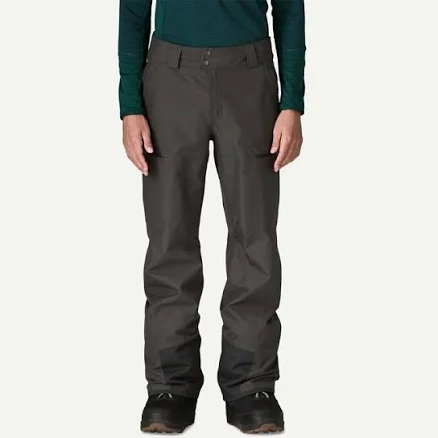
- nylon blend with water-repellent coating water-repellent treatment
- The brand calls it PFAS-free, which we have not verified
- water-repellent coating chemistry (unspecified)
3 hazards checked on this product, all on its full breakdown.
Find an alternative on Amazon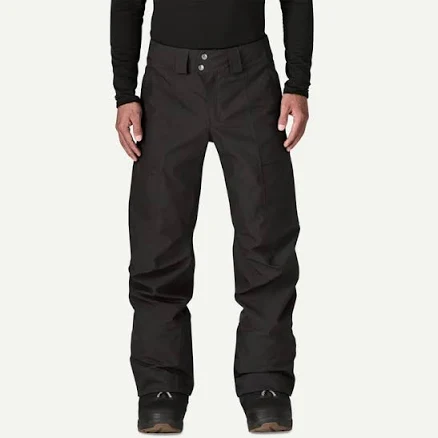
- Nylon blend with water-repellent coating treatment (likely fluorocarbon-based)
- The brand calls it PFAS-free, which we have not verified
- PFAS
3 hazards checked on this product, all on its full breakdown.
Find an alternative on Amazon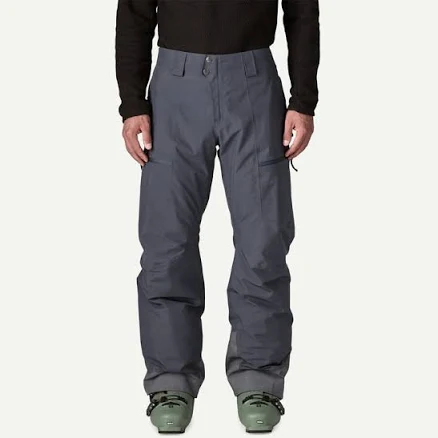
- Polyester shell with water-repellent coating (water-repellent coating) finish; insulated lining
- The brand calls it PFAS-free, which we have not verified
- water-repellent coating (water-repellent coating) treatment composition
3 hazards checked on this product, all on its full breakdown.
Find an alternative on AmazonMore snow pants grades
How we score, every product runs through the same public 0-100 rubric based on materials, coatings, brand disclosure, lab findings, and recalls. See the full methodology → Spotted a mistake? Report an error.