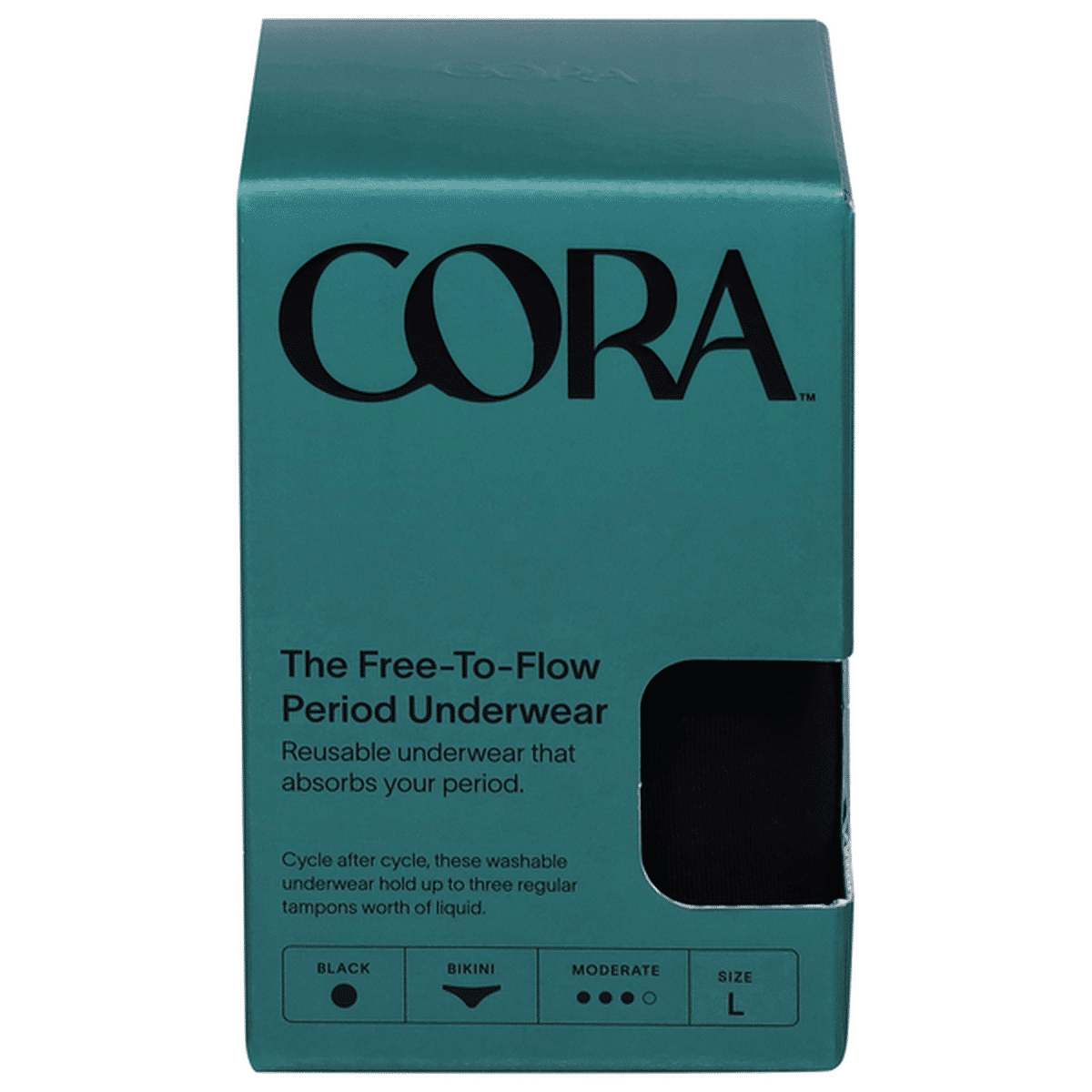
Cora Free To Flow Period Underwear
Skip until brand discloses waterproof coating chemistry.
Cora does not publicly disclose the waterproof treatment used in this period underwear. The coating type and PFAS status remain unknown, making it impossible to assess safety confidently.
The better-graded swap
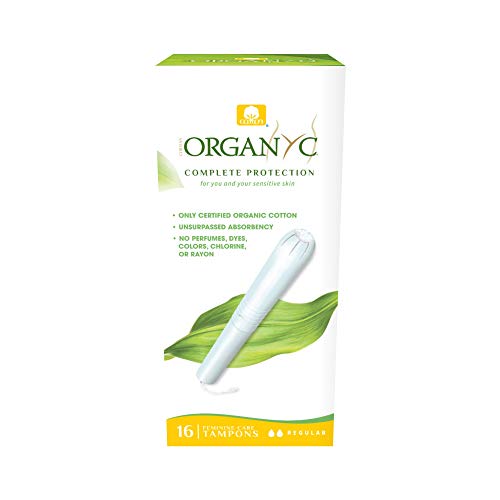
Organyc
Organyc 100% Certified Organic Cotton Tampons Cardboard Applicator
100/100 safety
Same rubric that flunked this product. The swap earned Excellent.
Still want this one anyway? Check the price on Amazon. We’d swap it.
Material
cotton/nylon blend with unspecified waterproof/absorbent coating
Brand disclosure
Brand is silent on PFAS
Lab data
No public lab test
You may also be interested in
Top-graded picks in the categories readers replace first, every one scored on the same rubric.

- polypropylene filter housing, carbon/sediment cartridge
- We found no PFAS statement from the brand
- Bacterial growth in spent cartridges
3 hazards checked on this product, all on its full breakdown.

Aquasure
Premier Series 75 GPD Under Sink Reverse Osmosis Water Filtration System
- RO membrane, carbon filters, stainless steel housing
- We found no PFAS statement from the brand
- Bacterial and microbial growth in housing and filters
4 hazards checked on this product, all on its full breakdown.

Avocado
Vegan Mattress
- organic cotton, natural latex, coconut coir, recycled steel coils
- The brand calls it PFAS-free, which we have not verified
- Heavy metals
2 hazards checked on this product, all on its full breakdown.
What Cora Free To Flow Period Underwear is made of, ingredients and materials
Cora Free To Flow is a cotton-nylon blend with an unspecified waterproof or moisture-barrier coating applied to the gusset or backing. The cotton-nylon base itself carries minimal chemical hazard, but the coating's composition is the critical unknown, it may be PFAS-based (fluorinated), silicone, polyurethane, or another polymer. Without disclosure, you cannot assess whether the coating leaches into skin over repeated wear and washing or breaks down into microparticles.
What’s concerning
Waterproof / stain-resistant treatment
Water-repellent coating treatments have historically used PFAS.
Category baseline
The starting point for this type of product, before anything specific to this product is counted.
No PFAS disclosure
No public statement from the brand about PFAS in this product.
PFAS
The coating is not disclosed by name or class. It may be non-fluorinated (lower hazard) or contain non-PFAS chemicals; without testing data, skin contact and leaching risk cannot be ruled out. Repeated washing and friction may cause micro-shedding into skin.
Source, ATSDR ↗Microplastic shedding from coating or nylon fiber
The waterproof coating and nylon fiber can both shed microparticles into skin and water during wear, washing, and disposal. Cora has not published durability testing or shedding rates. Repeated washing accelerates fiber breakdown.
What’s reassuring
Formaldehyde / VOCs
No public record of formaldehyde-based finishes or dyes in Cora period underwear. Cotton-nylon blends do not inherently require formaldehyde resins, but the brand has not published chemical-free certification, so cannot be ruled out without testing.
Source, ATSDR ↗Azo dyes and colorfast synthetic dyes
Cora does not publish dye chemistry or testing results. Nylon is commonly dyed with synthetic dyes; if azo-class dyes are used and not restricted, carcinogenic aromatic amines are theoretically possible under reductive conditions (sweat, friction, heat). No recalls or complaints are on record.
Antimony residue in nylon polyester components
Antimony is a catalyst residue in polyester/nylon production. Cora has not disclosed antimony testing or removal steps. Nylon fabrics typically shed minimal antimony into skin, but migration increases with heat and sweat; no specific data for this product exists.
How is this PFAS grade calculated?
The brand's record and disclosure
Cora has not publicly disclosed the chemical identity of its waterproof coating as of available public records. The brand has not pursued third-party certifications such as GOTS (Global Organic Textile Standard) or Oeko-Tex that would require testing for regulated chemicals in textiles and coatings. This silence on a core performance feature is a red flag for consumer transparency, especially in intimate-wear where prolonged skin contact is expected.
How it compares in its category
Period underwear in this category typically use either PFAS-containing fluorocarbon coatings (most common and cheapest) or proprietary non-fluorinated alternatives. Brands that disclose non-PFAS chemistry (e.g., silicone or polyurethane barriers) or hold Oeko-Tex certification are more transparent. Cora's refusal to specify places it at the less-transparent end of the market, making comparison impossible without disclosure.
If you buy it
Wash in cool water and avoid high-heat drying to slow coating degradation and minimize any leaching or off-gassing. Replace the garment if the waterproof layer visibly peels, flakes, or loses absorbency, as this signals coating breakdown. Do not bleach or use enzyme-based detergents, which can accelerate coating wear. Request written disclosure of the coating chemistry from the brand; if they refuse, that signals low priority on your health transparency.
What is not known about PFAS in this product?
- Basis
- Model estimate, 35% confidence, not a lab result
- Lab test
- None on record for this exact product
- Brand statement
- Cora has made none
Formulations change between production runs, so check the current label. How we grade.
What are the PFAS-free alternatives to Cora Free To Flow Period Underwear?
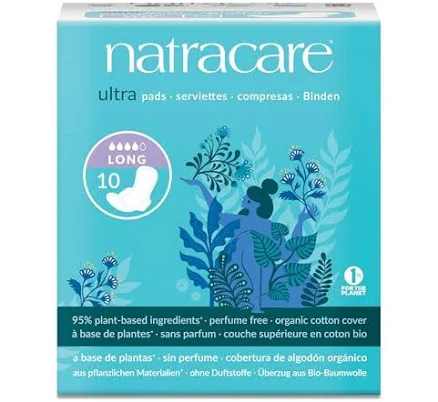
- A third party reports verifying it as PFAS-free
- Fragrance allergens (if scented variant)
2 hazards checked on this product, all on its full breakdown.
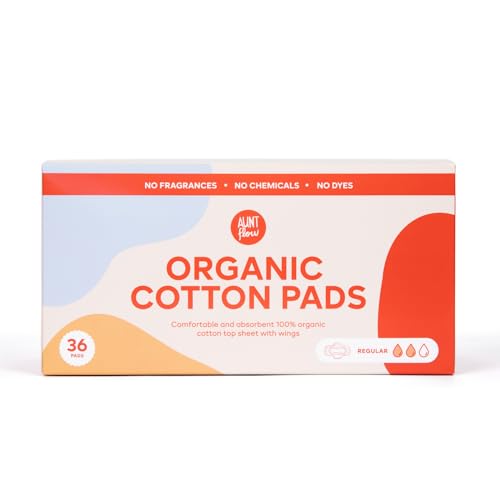
- organic cotton with natural fibers
- The brand calls it PFAS-free, which we have not verified
- Microplastics
Organyc
100% Certified Organic Cotton Tampons Cardboard Applicator
- 100% organic cotton with cardboard applicator
- We found no PFAS statement from the brand
- Cardboard applicator structural integrity over time
More period care grades
 100Seventh Generation Maxi Pads - Overnight
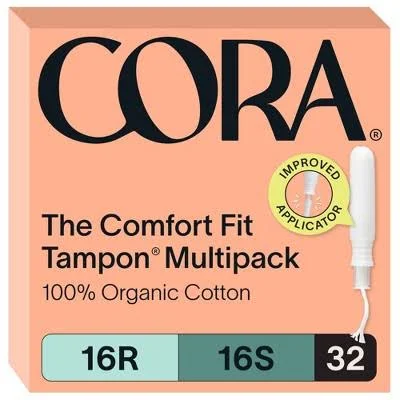 70Cora Organic Tampons
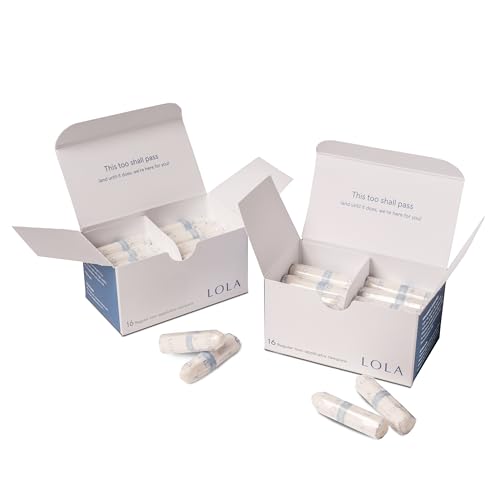 70Lola 100% Organic Cotton Tampons Applicator Free
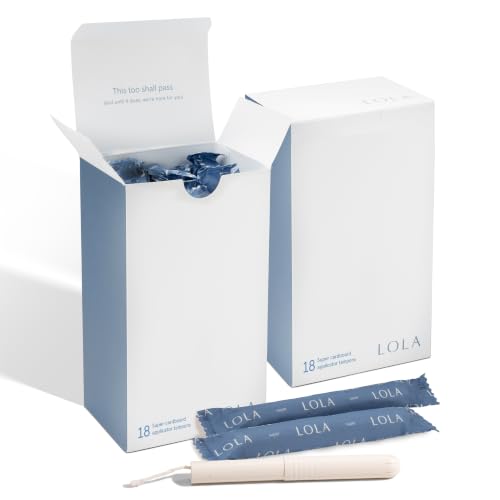 70Lola 100% Organic Cotton Tampons Cardboard Applicator
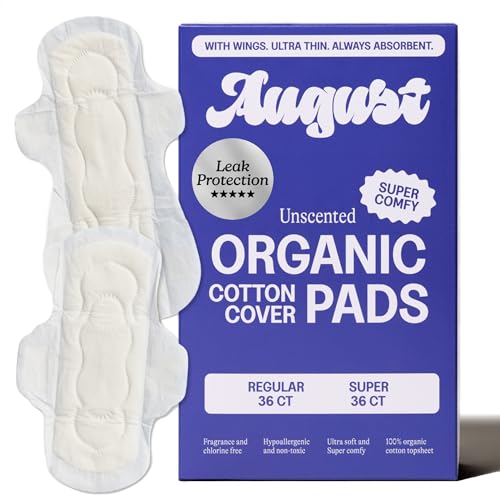 70August Organic Cotton Top Layer Pads, 36-Pack Regular
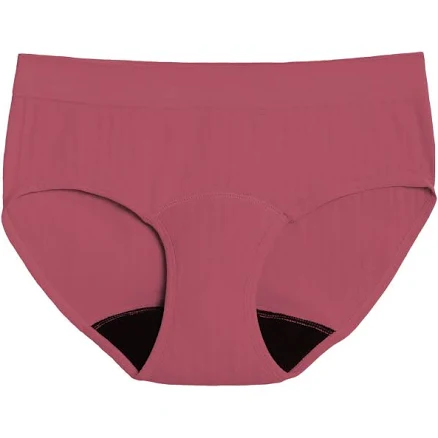 25Period Underwear (generic)
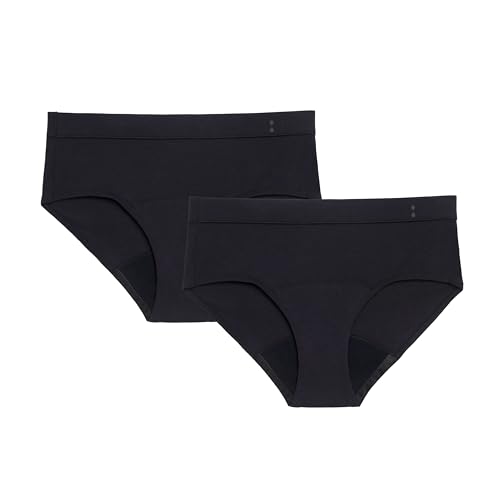 25Thinx Period Underwear
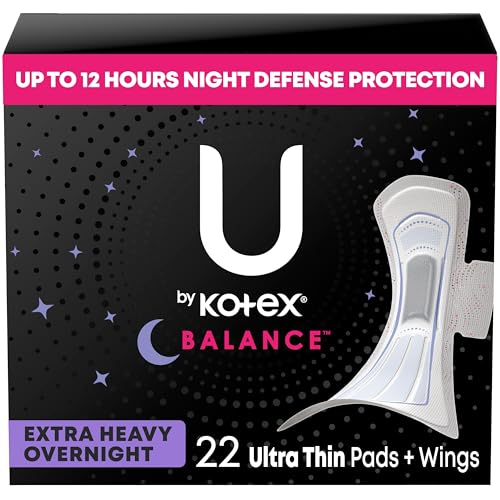 25U by Kotex Ultra Thin Overnight Pads with Wings, Extra Heavy Absorbency
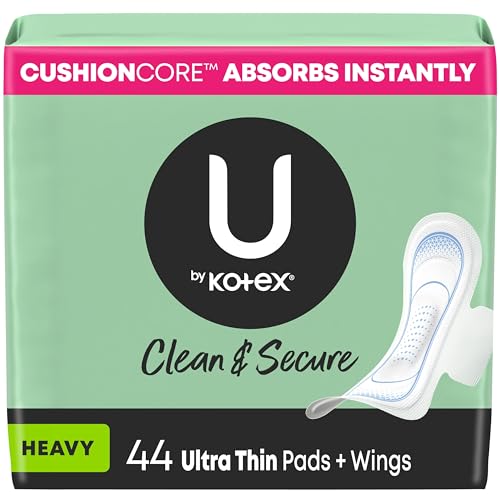 25U by Kotex Ultra Thin Pads, Heavy Absorbency
 25Always Discreet 360 Form Fit Maximum UnderwearCompare vs Natracare →All period care →
How we score, every product runs through the same public 0-100 rubric based on materials, coatings, brand disclosure, lab findings, and recalls. See the full methodology → Spotted a mistake? Report an error.