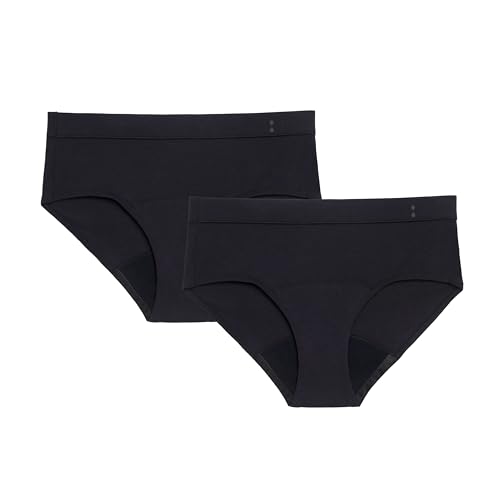
Thinx Period Underwear
Waterproof coating chemistry undisclosed; PFAS risk uncertain without transparency
Thinx period underwear uses a proprietary waterproof coating to prevent leaks, but the brand has not disclosed whether it contains PFAS or been independently tested. No PFAS-free claim or third-party certification available.
Brand says: “Thinx states materials are designed to be leak-proof and long-lasting but does not explicitly disclose waterproofing chemistry or PFAS status”
The better-graded swap
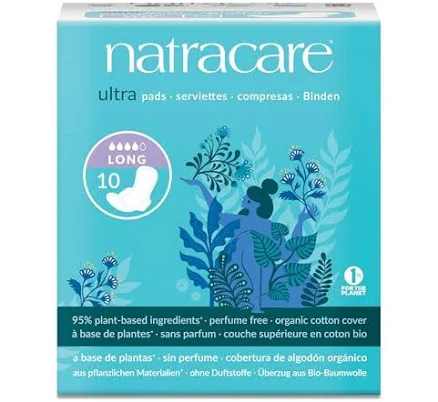
Natracare
Natracare Organic Pads
100/100 safety
Same rubric that flunked this product. The swap earned Excellent.
Still want this one anyway? Check the price on Amazon. We’d swap it.
Material
Cotton blend with proprietary moisture-wicking and waterproof coating
Lab data
No public lab test
You may also be interested in
Top-graded picks in the categories readers replace first, every one scored on the same rubric.

- polypropylene filter housing, carbon/sediment cartridge
- We found no PFAS statement from the brand
- Bacterial growth in spent cartridges
3 hazards checked on this product, all on its full breakdown.

Aquasure
Premier Series 75 GPD Under Sink Reverse Osmosis Water Filtration System
- RO membrane, carbon filters, stainless steel housing
- We found no PFAS statement from the brand
- Bacterial and microbial growth in housing and filters
4 hazards checked on this product, all on its full breakdown.

Avocado
Vegan Mattress
- organic cotton, natural latex, coconut coir, recycled steel coils
- The brand calls it PFAS-free, which we have not verified
- Heavy metals
2 hazards checked on this product, all on its full breakdown.
What Thinx Period Underwear is made of, ingredients and materials
Thinx period underwear uses a cotton-blend fabric with an undisclosed proprietary waterproof coating to manage menstrual fluid. The coating chemistry is not public, which is the source of PFAS uncertainty. Cotton itself carries no inherent toxicity concern, but the waterproof layer's formulation, whether it contains intentional PFAS, PFAS byproducts, or PFAS-free alternatives, is unknown.
What’s concerning
Waterproof / stain-resistant treatment
Water-repellent coating treatments have historically used PFAS.
Category baseline
The starting point for this type of product, before anything specific to this product is counted.
Vague safety claims only
Uses vague language ("eco-friendly", "clean") without a specific PFAS statement.
PFAS
The proprietary coating is undisclosed. While it may be PFAS-free, alternative waterproofing chemistries (polyurethane, silicone, wax blends) each carry different toxicological profiles that cannot be assessed without transparency from Thinx.
Source, ATSDR ↗Coating degradation and microplastic or leachate release over time
Repeated laundering degrades waterproof coatings. If the coating flakes, fragments, or leaches into wash water, end-users cannot assess the chemical nature of what is being shed without knowing the coating composition. This is a practical concern, not a known toxicity, but heightened by lack of transparency.
What’s reassuring
Formaldehyde / VOCs
No public recall, test result, or brand statement indicates formaldehyde use in Thinx products. Cotton-blend intimate apparel sold in the US typically complies with federal limits, but Thinx does not certify against OEKO-TEX (which tests for formaldehyde) for verification.
Source, ATSDR ↗Heavy metals
Thinx underwear comes in neutral colors (black, beige, white) with no reported dye-related health incidents. No certification testing for azo dyes or metal content is on record.
Source, FDA ↗Skin irritation or allergic contact dermatitis from coating or finish residuals
No widespread reports of dermatitis or allergic reactions specific to Thinx on public record. However, intimate apparel worn for hours daily can amplify sensitivity to residual chemicals if finishing or coating is incomplete or uses irritant substances.
How is this PFAS grade calculated?
The brand's record and disclosure
Thinx has not published detailed material safety data sheets or coating chemistry disclosures. The company has faced litigation over PFAS claims in wastewater but has not voluntarily committed to PFAS-free reformulation or third-party testing transparency. No certifications such as OEKO-TEX, bluesign, or GOTS for the full product line are on record.
How it compares in its category
Period underwear as a category relies on waterproof barriers; most competitors (Knix, Aisle, Dear Kates) also use proprietary coatings with similar opacity. Thinx was an early mainstream brand but has not differentiated on material transparency. Cotton-blend construction is standard; waterproof coating chemistry is the categorical weak point across the sector.
If you buy it
Wash in cold water and air-dry to preserve the coating; hot water and dryer heat can degrade waterproofing and accelerate leaching if the coating contains problematic substances. Replace when waterproofing visibly fails. Do not bleach. Request detailed coating chemistry from the brand before purchase if PFAS concern is high for you; lack of response is itself informative.
What is not known about PFAS in this product?
- Basis
- Model estimate, 45% confidence, not a lab result
- Lab test
- None on record for this exact product
- Brand statement
- Thinx has made a specific claim
Formulations change between production runs, so check the current label. How we grade.
What are the PFAS-free alternatives to Thinx Period Underwear?
- A third party reports verifying it as PFAS-free
- Fragrance allergens (if scented variant)
2 hazards checked on this product, all on its full breakdown.
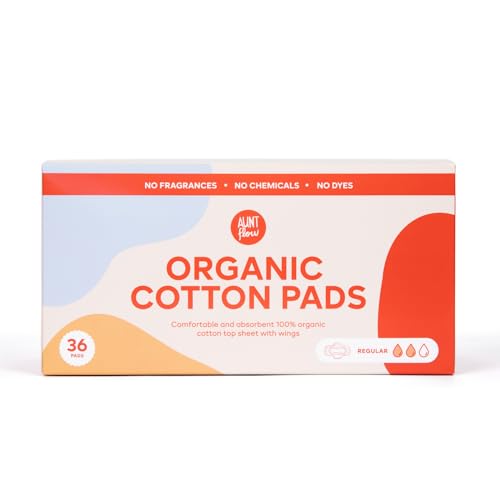
- organic cotton with natural fibers
- The brand calls it PFAS-free, which we have not verified
- Microplastics
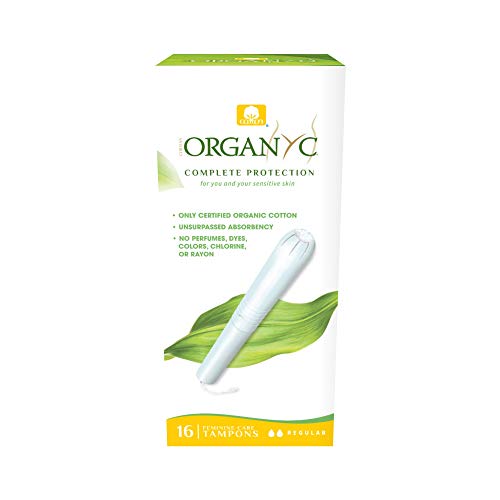
Organyc
100% Certified Organic Cotton Tampons Cardboard Applicator
- 100% organic cotton with cardboard applicator
- We found no PFAS statement from the brand
- Cardboard applicator structural integrity over time
More period care grades
 100Seventh Generation Maxi Pads - Overnight
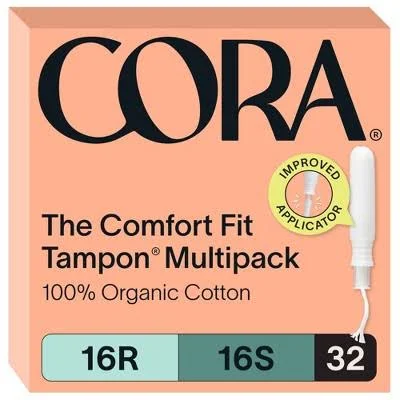 70Cora Organic Tampons
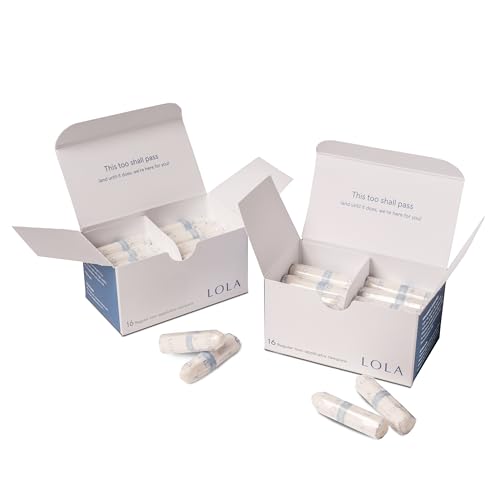 70Lola 100% Organic Cotton Tampons Applicator Free
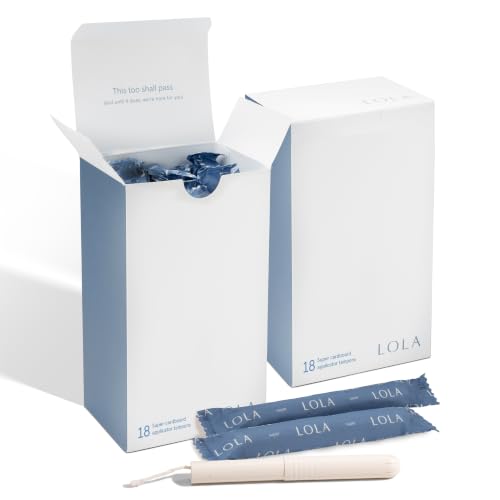 70Lola 100% Organic Cotton Tampons Cardboard Applicator
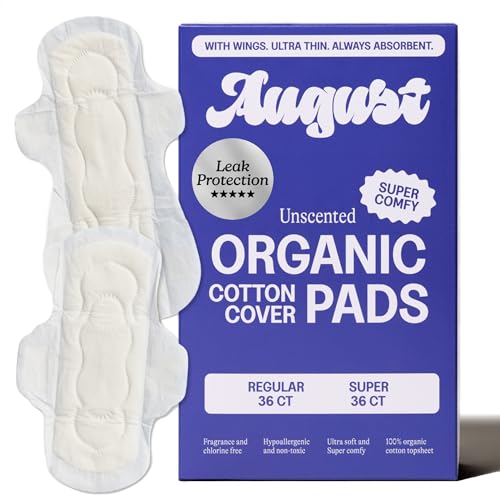 70August Organic Cotton Top Layer Pads, 36-Pack Regular
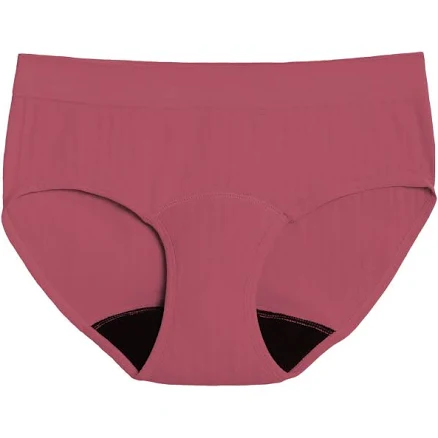 25Period Underwear (generic)
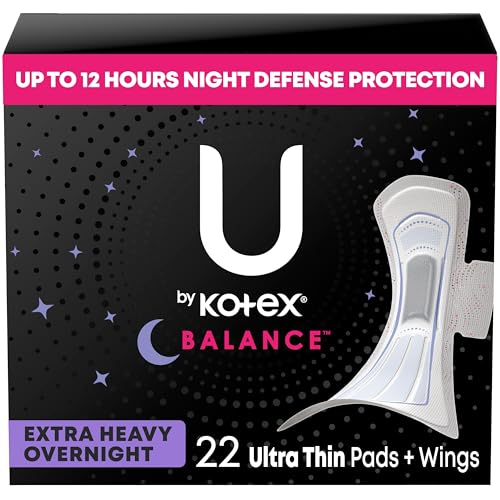 25U by Kotex Ultra Thin Overnight Pads with Wings, Extra Heavy Absorbency
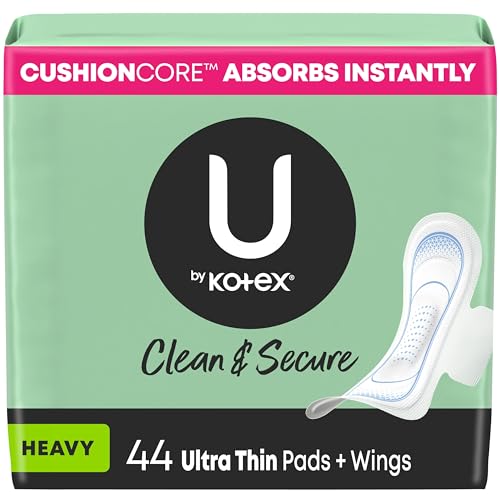 25U by Kotex Ultra Thin Pads, Heavy Absorbency
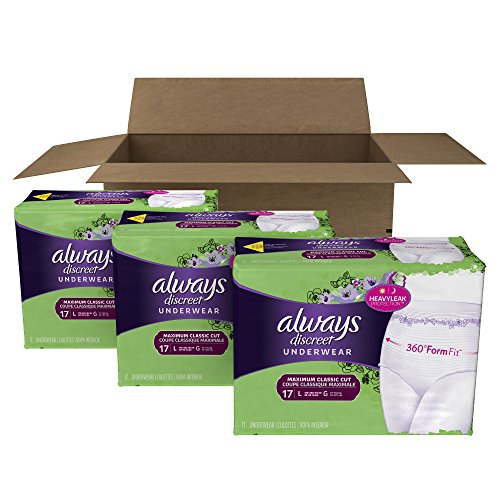 25Always Discreet 360 Form Fit Maximum Underwear
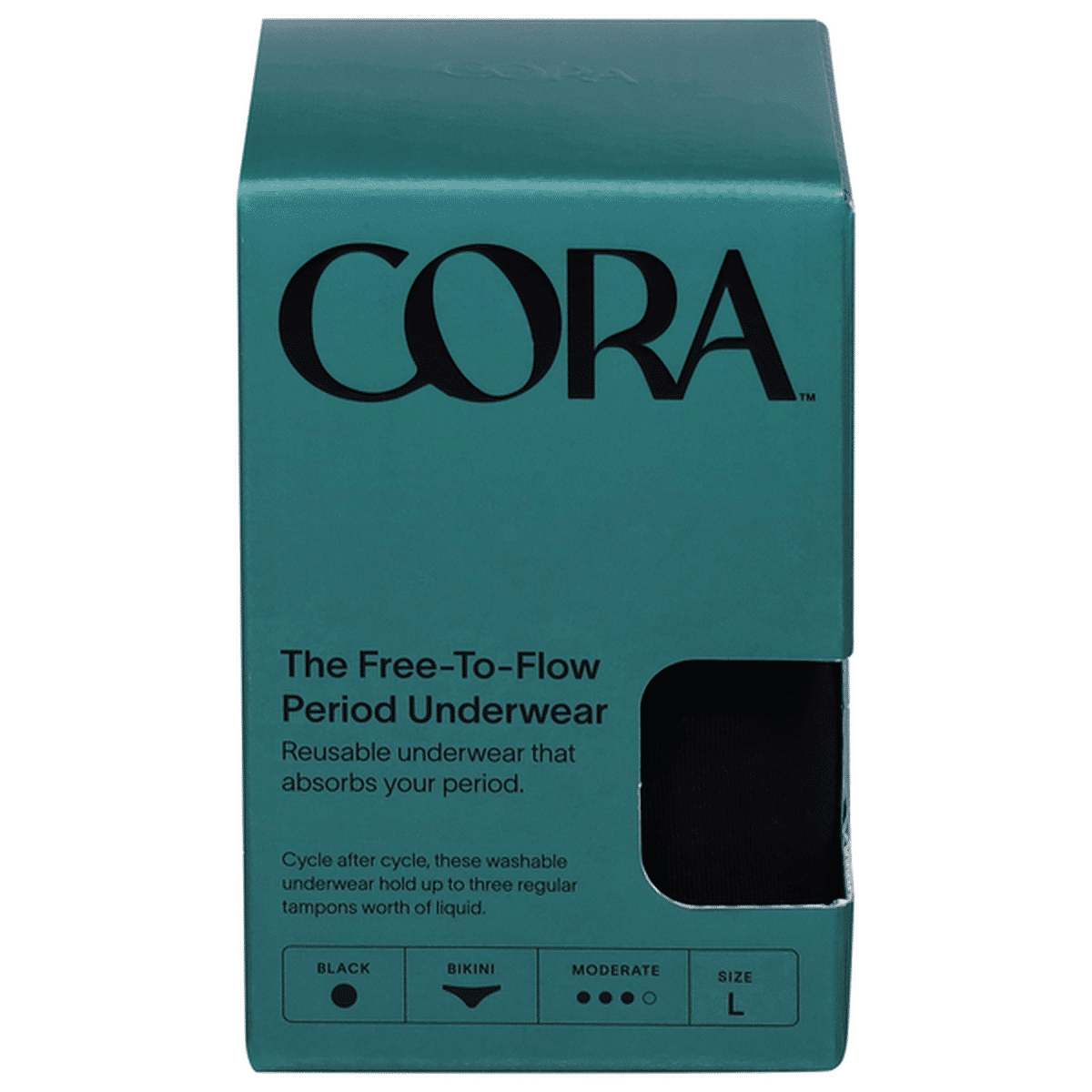 25Cora Free To Flow Period UnderwearCompare vs Natracare →All period care →
How we score, every product runs through the same public 0-100 rubric based on materials, coatings, brand disclosure, lab findings, and recalls. See the full methodology → Spotted a mistake? Report an error.