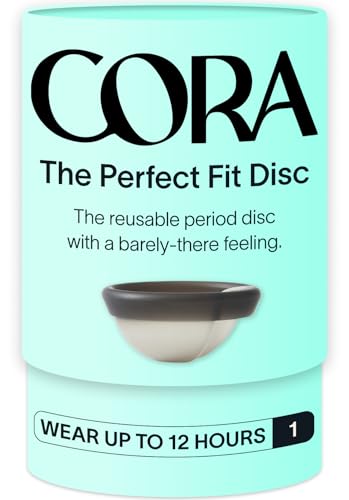
Cora Menstrual Discs
Lower concern, but brand does not disclose PFAS stance publicly.
Cora menstrual discs are made from medical-grade silicone, a material with lower PFAS concern. Brand offers no public PFAS disclosure or third-party verification.
We flunk more products than we pass. This one earned its grade. How we grade
Material
medical-grade silicone
Brand disclosure
Brand is silent on PFAS
Lab data
No public lab test
You may also be interested in
Top-graded picks in the categories readers replace first, every one scored on the same rubric.

- polypropylene filter housing, carbon/sediment cartridge
- We found no PFAS statement from the brand
- Bacterial growth in spent cartridges
3 hazards checked on this product, all on its full breakdown.

Aquasure
Premier Series 75 GPD Under Sink Reverse Osmosis Water Filtration System
- RO membrane, carbon filters, stainless steel housing
- We found no PFAS statement from the brand
- Bacterial and microbial growth in housing and filters
4 hazards checked on this product, all on its full breakdown.

Avocado
Vegan Mattress
- organic cotton, natural latex, coconut coir, recycled steel coils
- The brand calls it PFAS-free, which we have not verified
- Heavy metals
2 hazards checked on this product, all on its full breakdown.
What Cora Menstrual Discs is made of, ingredients and materials
Cora Menstrual Discs are constructed from medical-grade silicone, a synthetic polymer chosen for biocompatibility in intimate-contact applications. Medical-grade silicone does not leach BPA, phthalates, or other common endocrine disruptors found in some plastic period products. The material is non-porous, inert at body temperature, and resistant to degradation during repeated washing and storage, making it chemically stable over years of use.
What’s concerning
Category baseline
The starting point for this type of product, before anything specific to this product is counted.
No PFAS disclosure
No public statement from the brand about PFAS in this product.
Bacterial or mold growth from improper storage or cleaning
Silicone itself does not harbor pathogens, but if the disc is stored wet or in a sealed container, moisture retention can promote microbial colonization. Proper air-drying and breathable storage eliminate this risk.
Allergic reaction or sensitization to silicone
True silicone allergy is rare; however, individuals with known silicone sensitivity should patch-test or consult a healthcare provider. Impurities in lower-grade silicone (not stated for Cora) could theoretically trigger irritation, but medical-grade silicone carries minimal risk in this regard.
What’s reassuring
Base material not linked to PFAS
The main material recorded for this product is not one associated with PFAS.
Silicone breakdown or leaching from heat or chemical degradation
Medical-grade silicone is thermally stable well above body temperature (37°C) and resistant to standard cleaning agents. No established reports of silicone leaching or degradation exist for menstrual discs under normal use conditions.
Fragrance or additive residues from manufacturing
No fragrance, dyes, or antimicrobial coatings are reported on Cora discs. The brand does not disclose manufacturing additives, so independent testing would be needed to confirm absence of processing residues, though none have been identified in comparable products.
How is this PFAS grade calculated?
The brand's record and disclosure
Cora has not published detailed material certifications, third-party testing results, or a public PFAS disclosure statement. The brand markets its product as reusable and sustainable but does not provide independent verification of manufacturing processes or contaminant screening. No recalls or safety complaints have been established in public records for this product.
How it compares in its category
Menstrual discs made of medical-grade silicone occupy a lower-hazard segment compared to single-use pads and tampons, which may contain chlorine bleach residues, fragrance allergens, and synthetic absorbents. Reusable silicone discs eliminate the repeat-purchase chemical exposure risk inherent in disposables. Other silicone-based reusable period products (cups, discs) share similar material safety profiles; differentiation lies in brand transparency rather than material choice.
If you buy it
Wash the disc with gentle soap and warm water after each use and allow to air-dry completely before storage. Store in a clean, breathable pouch (not sealed plastic) to prevent bacterial or mold growth in damp conditions. Replace the disc if silicone shows visible tears, discoloration, or persistent odor after cleaning. Medical-grade silicone does not degrade with normal body temperature or exposure to menstrual fluid, so replacement is typically driven by wear rather than chemical breakdown.
What is not known about PFAS in this product?
- Basis
- Model estimate, 72% confidence, not a lab result
- Lab test
- None on record for this exact product
- Brand statement
- Cora has made none
Formulations change between production runs, so check the current label. How we grade.
What are the PFAS-free alternatives to Cora Menstrual Discs?
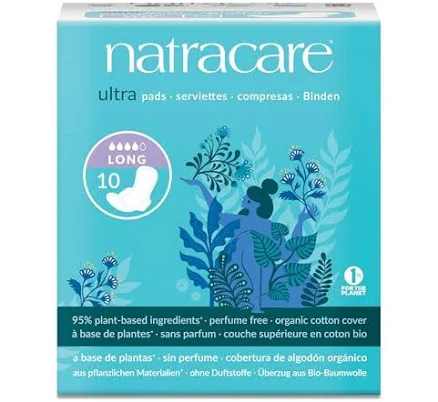
- A third party reports verifying it as PFAS-free
- Fragrance allergens (if scented variant)
2 hazards checked on this product, all on its full breakdown.
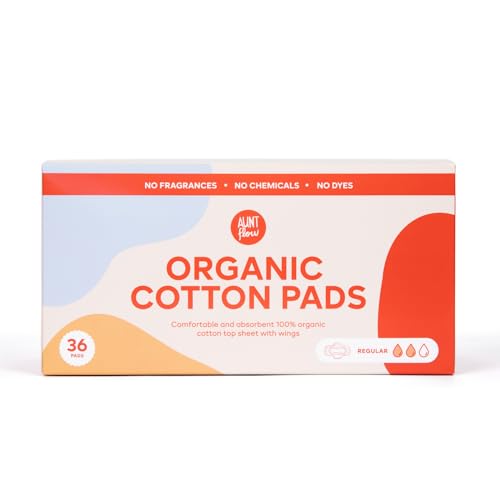
- organic cotton with natural fibers
- The brand calls it PFAS-free, which we have not verified
- Microplastics
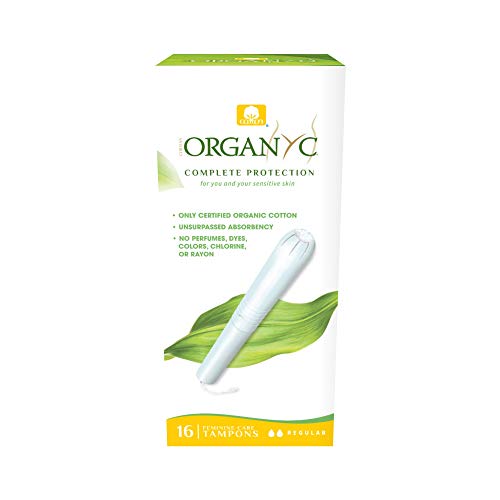
Organyc
100% Certified Organic Cotton Tampons Cardboard Applicator
- 100% organic cotton with cardboard applicator
- We found no PFAS statement from the brand
- Cardboard applicator structural integrity over time
More period care grades
 100Seventh Generation Maxi Pads - Overnight
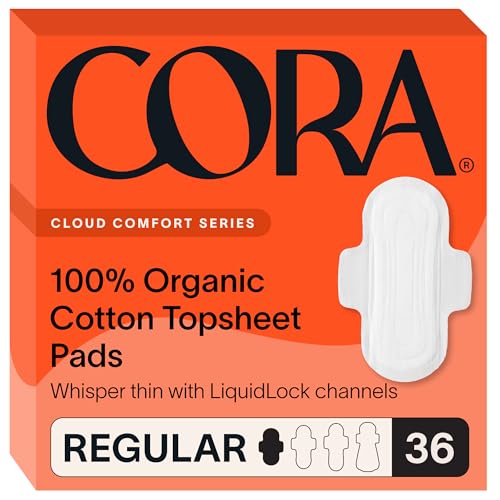 70Cora Organic Cotton Pads
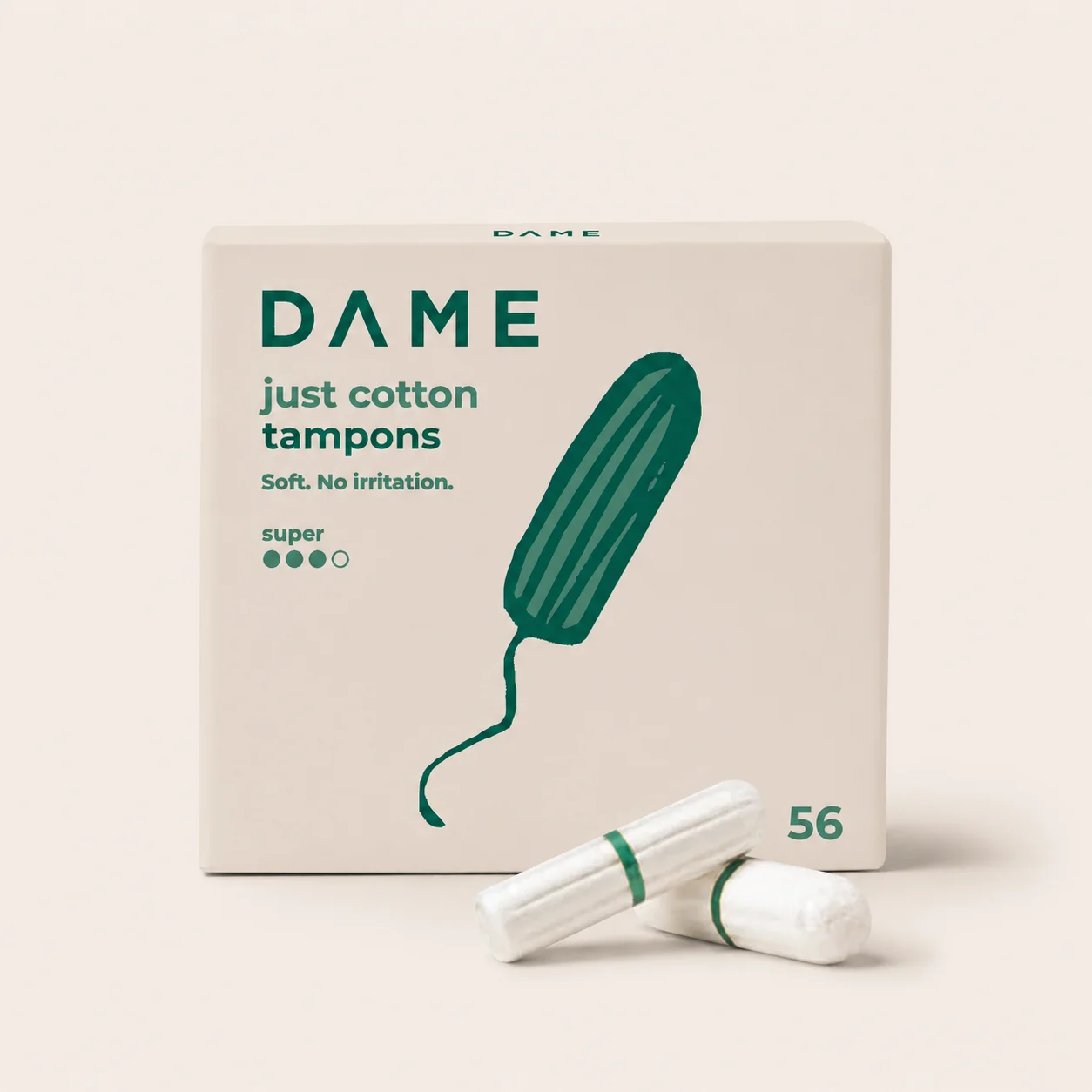 70Dame Organic Cotton Tampons
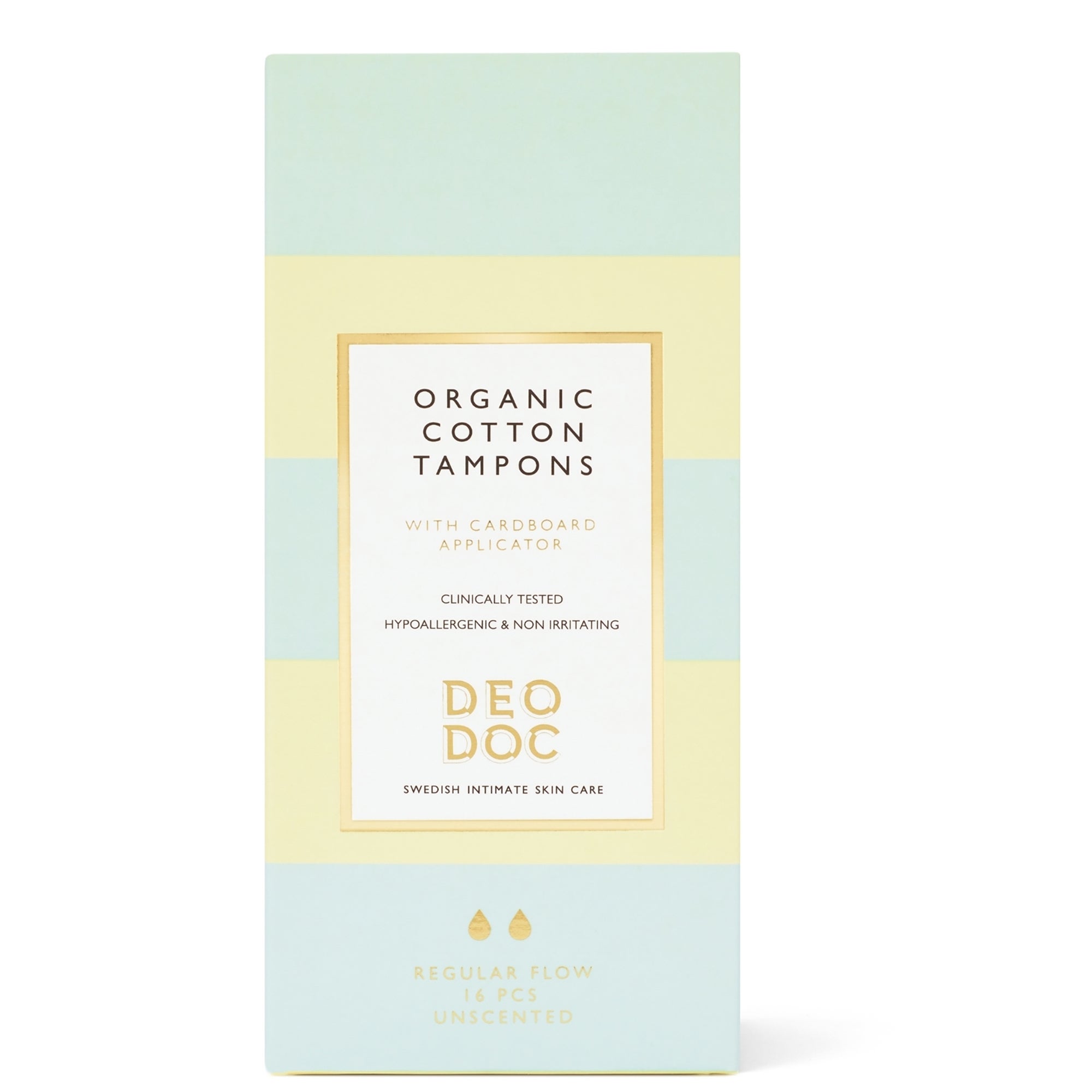 70DeoDoc Cotton Tampons
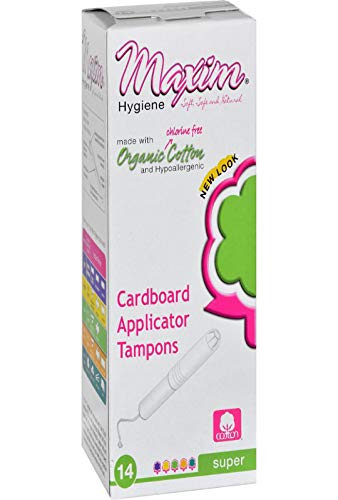 70Maxim Hygiene Organic Cotton Cardboard Applicator Tampons
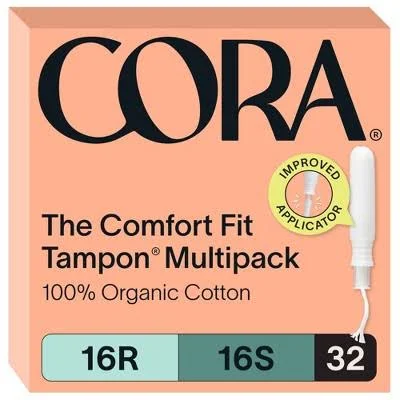 70Cora Organic Tampons
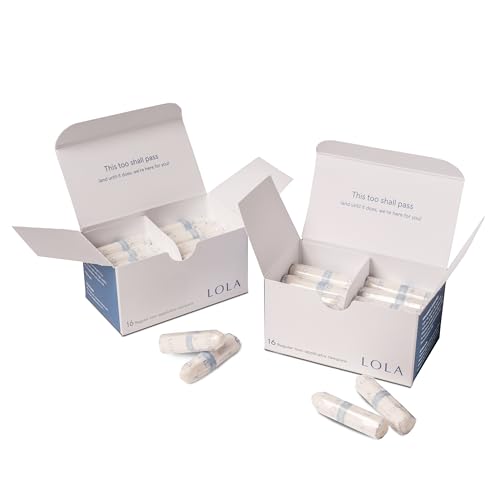 70Lola 100% Organic Cotton Tampons Applicator Free
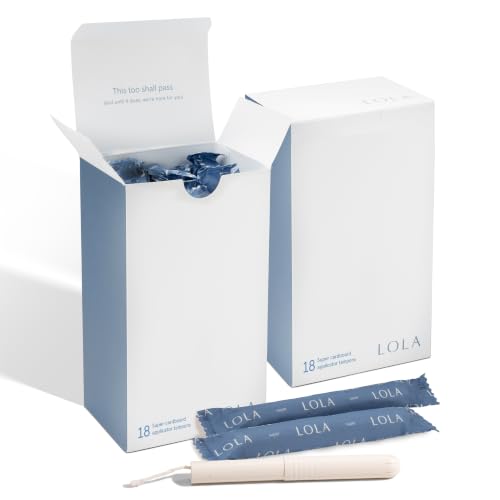 70Lola 100% Organic Cotton Tampons Cardboard Applicator
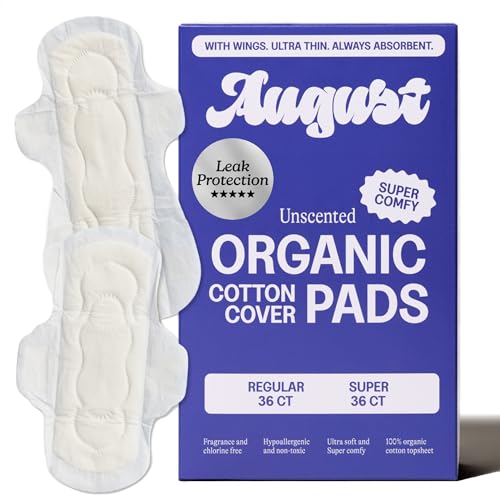 70August Organic Cotton Top Layer Pads, 36-Pack Regular
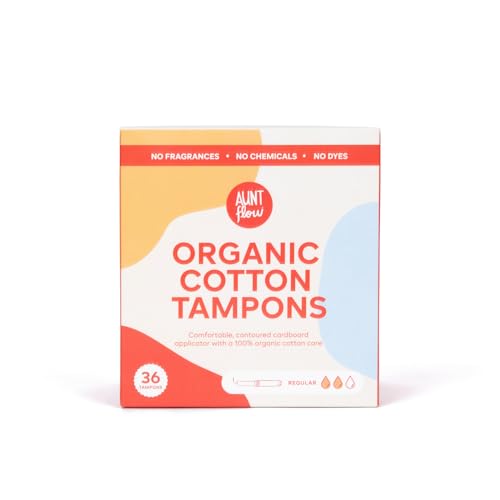 70Aunt Flow Organic Cotton Cardboard Applicator TamponsCompare vs Natracare →All period care →
How we score, every product runs through the same public 0-100 rubric based on materials, coatings, brand disclosure, lab findings, and recalls. See the full methodology → Spotted a mistake? Report an error.