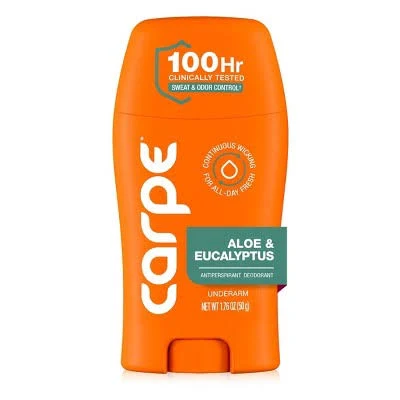
Carpe Men's Max Strength Antiperspirant Deodorant Bundle
Lower concern for typical powder antiperspirant, but no brand PFAS commitment.
Carpe's powder antiperspirant uses talc and starch without waterproofing or nonstick coatings that would need PFAS. The brand makes no PFAS claims or public commitment.
We flunk more products than we pass. This one earned its grade. How we grade
Material
Talc, starch, and fragrance base (antiperspirant powder)
Brand disclosure
Brand is silent on PFAS
Lab data
No public lab test
You may also be interested in
Top-graded picks in the categories readers replace first, every one scored on the same rubric.

- polypropylene filter housing, carbon/sediment cartridge
- We found no PFAS statement from the brand
- Bacterial growth in spent cartridges
3 hazards checked on this product, all on its full breakdown.

Aquasure
Premier Series 75 GPD Under Sink Reverse Osmosis Water Filtration System
- RO membrane, carbon filters, stainless steel housing
- We found no PFAS statement from the brand
- Bacterial and microbial growth in housing and filters
4 hazards checked on this product, all on its full breakdown.

Avocado
Vegan Mattress
- organic cotton, natural latex, coconut coir, recycled steel coils
- The brand calls it PFAS-free, which we have not verified
- Heavy metals
2 hazards checked on this product, all on its full breakdown.
What Carpe Men's Max Strength Deodorant Bundle is made of, ingredients and materials
Carpe Max Strength is a talc-based antiperspirant powder, meaning it relies on talc as its primary absorbent and carrier, plus fragrance compounds and starch. Talc's safety profile hinges on whether it is asbestos-free; modern cosmetic talc is regulated in the U.S. to exclude asbestos, but the mineral can still harbor trace contaminants depending on mining and processing. The antiperspirant active ingredient (likely aluminum zirconium or similar) is mixed into this powder base rather than suspended in a gel, reducing certain VOC and preservative risks found in liquid formulas.
What’s concerning
Category baseline
The starting point for this type of product, before anything specific to this product is counted.
No PFAS disclosure
No public statement from the brand about PFAS in this product.
Talc and asbestos contamination
U.S. cosmetic talc is regulated to exclude asbestos, but no public testing data for this specific Carpe product confirms asbestos absence. Mining and processing quality vary; brand silence on supplier vetting leaves uncertainty.
Talc inhalation and respiratory exposure
Talc powder products carry inherent inhalation risk if applied near the face or in enclosed spaces. Long-term talc powder use via inhalation is epidemiologically linked to respiratory irritation; individual risk depends on application frequency and ventilation.
Fragrance allergens and undisclosed components
Fragrance is listed but not broken down to specific chemicals. Common fragrance allergens (limonene, linalool, geraniol) can trigger contact dermatitis or respiratory sensitivity in susceptible users; lack of detailed fragrance disclosure limits allergy screening.
Bacterial and fungal growth in powder
Talc and starch powders can support microbial growth if exposed to moisture or if container seals fail. Powder antiperspirants lack preservatives that liquid formulas contain, increasing risk if stored improperly or left open.
What’s reassuring
Base material not linked to PFAS
The main material recorded for this product is not one associated with PFAS.
Heavy metals
No recalls or public testing reports document lead, cadmium, or arsenic in this product. Talc can naturally contain trace minerals, but U.S. cosmetic regulations set limits; without brand certification, specific contaminant levels are unknown.
Source, FDA ↗How is this PFAS grade calculated?
The brand's record and disclosure
Corpus Christi (the parent brand) has not published detailed ingredient sourcing or third-party testing reports for talc purity or heavy-metal content. No major recalls or safety controversies are on record for this specific product line. The brand's silence on PFAS policy and talc sourcing transparency is notable; competitors increasingly publish certificates of analysis and supplier audits. No relevant certifications (cruelty-free, dermatologist-tested, clean beauty seal) are widely documented for this bundle.
How it compares in its category
Talc-based antiperspirant powders are a minority format; most mass-market antiperspirants use gel, stick, or roll-on forms with water or silicones. Talc powder avoids water-based preservative concerns but resurrects historical talc safety questions that alternative powders (corn starch, rice starch, arrowroot) sidestep entirely. Within powder antiperspirants, Carpe's positioning is budget-friendly but lacks the third-party transparency and brand heritage assurance of premium competitors like Lume or clinical brands.
If you buy it
Use a measured amount (small pinch per application) to minimize inhalation of talc particles, which is the main exposure route. Do not apply to broken or irritated skin. Replace every 6-12 months or sooner if product appearance changes, caking occurs, or odor develops (sign of bacterial growth). Store in a cool, dry place away from high humidity to prevent moisture ingress and microbial colonization. If you have a family history of ovarian or mesothelioma concerns, or prefer talc-free options, switch to starch-based alternatives.
What is not known about PFAS in this product?
- Basis
- Model estimate, 72% confidence, not a lab result
- Lab test
- None on record for this exact product
- Brand statement
- Carpe has made none
Formulations change between production runs, so check the current label. How we grade.
What are the PFAS-free alternatives to Carpe Men's Max Strength Antiperspirant Deodorant Bundle?
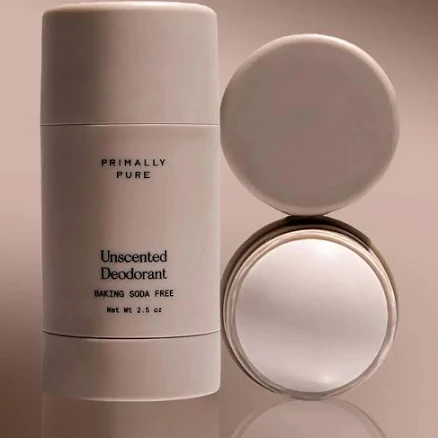
- mineral-based powder blend (arrowroot, magnesium hydroxide, mica)
- We found no PFAS statement from the brand
- Skin irritation from magnesium hydroxide alkalinity
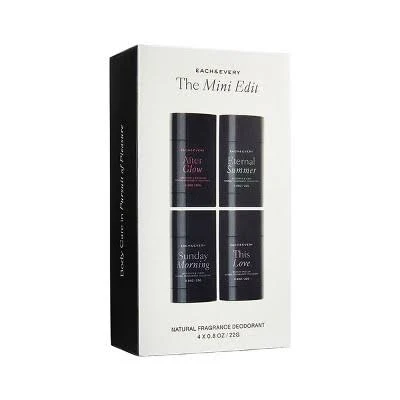
- cosmetic formulations, primary ingredients listed
- A third party reports verifying it as PFAS-free
- Fragrance allergens (natural essential oils)
2 hazards checked on this product, all on its full breakdown.
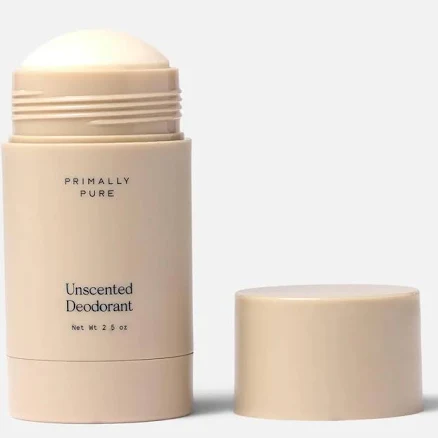
- natural mineral powders, plant-based actives, beeswax
- We found no PFAS statement from the brand
- Beeswax purity and contamination
2 hazards checked on this product, all on its full breakdown.
More deodorant grades
How we score, every product runs through the same public 0-100 rubric based on materials, coatings, brand disclosure, lab findings, and recalls. See the full methodology → Spotted a mistake? Report an error.