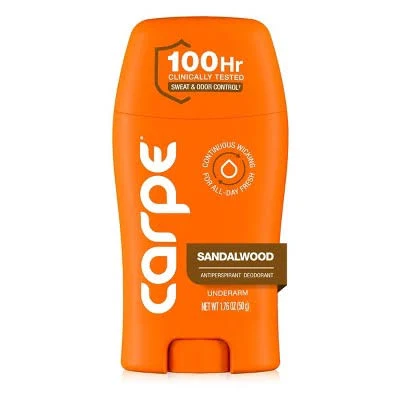
Carpe Underarm Antiperspirant and Deodorant
Skip this product unless the brand confirms PFAS-free status or seeks third-party certification.
Carpe's antiperspirant powder offers no public PFAS disclosure or testing. Some antiperspirants use PFAS-based water-resistant coatings, so you cannot confirm PFAS absence without brand verification.
The better-graded swap
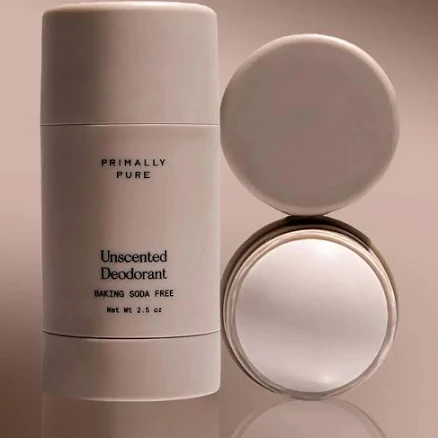
Primally Pure
Primally Pure Baking Soda Free Deodorant
100/100 safety
Same rubric that flunked this product. The swap earned Excellent.
Still want this one anyway? Check the price on Amazon. We’d swap it.
Material
Powder antiperspirant/deodorant base (typical, aluminum salts, talc or starches, fragrance)
Brand disclosure
Brand is silent on PFAS
Lab data
No public lab test
You may also be interested in
Top-graded picks in the categories readers replace first, every one scored on the same rubric.

- polypropylene filter housing, carbon/sediment cartridge
- We found no PFAS statement from the brand
- Bacterial growth in spent cartridges
3 hazards checked on this product, all on its full breakdown.

Aquasure
Premier Series 75 GPD Under Sink Reverse Osmosis Water Filtration System
- RO membrane, carbon filters, stainless steel housing
- We found no PFAS statement from the brand
- Bacterial and microbial growth in housing and filters
4 hazards checked on this product, all on its full breakdown.

Avocado
Vegan Mattress
- organic cotton, natural latex, coconut coir, recycled steel coils
- The brand calls it PFAS-free, which we have not verified
- Heavy metals
2 hazards checked on this product, all on its full breakdown.
What Carpe Underarm Antiperspirant Deodorant is made of, ingredients and materials
Carpe Underarm is a powder antiperspirant-deodorant, typically formulated with aluminum salts (aluminum chlorohydrate or similar) as the active antiperspirant agent, combined with a powder base (talc or starches), fragrance compounds, and minor binding agents. Aluminum salts are the industry standard for antiperspirant efficacy but carry historical concern about systemic absorption, though current evidence does not support clinically significant risk at typical use levels. The powder carrier system is designed for dry application and absorption; talc-based powders have faced scrutiny due to potential asbestos contamination in mining and processing, though modern cosmetic-grade talc is regulated for asbestos absence in most jurisdictions.
What’s concerning
Category baseline
The starting point for this type of product, before anything specific to this product is counted.
No PFAS disclosure
No public statement from the brand about PFAS in this product.
Talc contamination (asbestos, respirable particles)
If formulation uses talc rather than starch, cosmetic-grade talc should be asbestos-free under US FDA standards, but inhaled powder particles can cause respiratory irritation with frequent use. No specific contamination reports exist for Carpe products; risk is material-class general, not brand-specific.
Aluminum salt systemic absorption
Aluminum chlorohydrate and similar antiperspirant actives are absorbed transdermally at low levels; epidemiological evidence does not support causation of Alzheimer's or breast cancer at cosmetic-use doses, but ongoing scientific debate persists. Individual sensitivity varies; those with kidney impairment should consult a physician.
Fragrance allergen potential
Product marketing does not disclose fragrance components; undisclosed fragrance blends may contain known sensitizers (limonene, linalool, eugenol) that trigger contact dermatitis in sensitive individuals. Patch testing recommended if dermatitis develops after use.
PFAS
PFAS contamination in personal care powders is documented in research studies, particularly in fragrance components and silicone-based slip agents; Corpus Christi's silent stance and lack of third-party certification leave this unresolved. This is the primary barrier to an unconditional 'buy' recommendation.
Source, ATSDR ↗What’s reassuring
Base material not linked to PFAS
The main material recorded for this product is not one associated with PFAS.
1,4-dioxane (solvent and formulation byproduct)
No published analysis or recall indicates 1,4-dioxane in Carpe Underarm; powder formulations typically avoid this contaminant more readily than aerosol or liquid deodorants, but ingredient list verification would be needed for certainty.
How is this PFAS grade calculated?
The brand's record and disclosure
Corpus Christi (maker of Carpe) maintains a product website and marketing presence but has not published detailed ingredient safety disclosures, third-party certifications (EWG Verified, Clean Beauty, etc.), or explicit PFAS-avoidance statements. The brand does not appear in major product safety databases with reported recalls or controversies specific to this deodorant line. The silent stance on PFAS and other synthetic chemical policy is typical of mid-market personal care brands and warrants direct inquiry before purchase if chemical transparency is a priority.
How it compares in its category
Carpe Underarm competes in the powder antiperspirant segment against brands like Certain Dri, Secret Powder, and store-label equivalents. Most powder deodorants in this category share the same aluminum-salt and talc-or-starch formulation, so hazard profiles are roughly equivalent across the category. Carpe's positioning as a direct-to-consumer brand does not inherently confer safety advantages; transparency and third-party testing remain stronger differentiators among category leaders.
If you buy it
Apply to dry underarms only; avoid application to broken or irritated skin, as aluminum salts can cause localized irritation in sensitive individuals. Store in a cool, dry place away from humidity to prevent caking and preserve formula stability. If you experience rash, burning, or persistent irritation within two weeks of regular use, discontinue and consult a dermatologist. Replace every 12-18 months or when the product visibly separates or develops odor.
What is not known about PFAS in this product?
- Basis
- Model estimate, 45% confidence, not a lab result
- Lab test
- None on record for this exact product
- Brand statement
- Carpe has made none
Formulations change between production runs, so check the current label. How we grade.
What are the PFAS-free alternatives to Carpe Underarm Antiperspirant and Deodorant?
- mineral-based powder blend (arrowroot, magnesium hydroxide, mica)
- We found no PFAS statement from the brand
- Skin irritation from magnesium hydroxide alkalinity
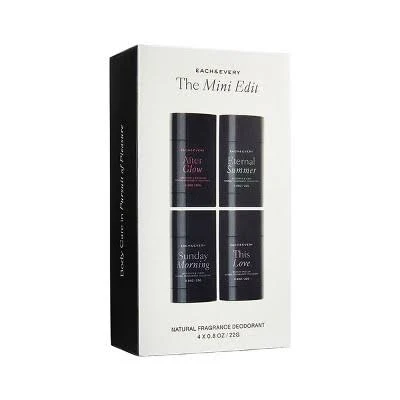
- cosmetic formulations, primary ingredients listed
- A third party reports verifying it as PFAS-free
- Fragrance allergens (natural essential oils)
2 hazards checked on this product, all on its full breakdown.
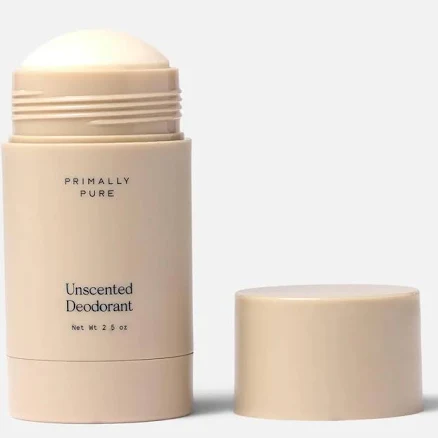
- natural mineral powders, plant-based actives, beeswax
- We found no PFAS statement from the brand
- Beeswax purity and contamination
2 hazards checked on this product, all on its full breakdown.
More deodorant grades
How we score, every product runs through the same public 0-100 rubric based on materials, coatings, brand disclosure, lab findings, and recalls. See the full methodology → Spotted a mistake? Report an error.