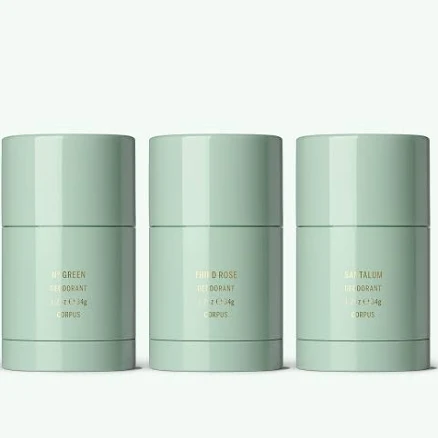
Corpus Natural Deodorant Mini Trios
Lower risk for standard natural deodorant with no typical PFAS needs.
This wax and powder deodorant stick has no waterproof coatings, nonstick finishes, or stain-resistant treatments requiring PFAS. No independent lab data confirms PFAS absence.
We flunk more products than we pass. This one earned its grade. How we grade
Material
Natural wax, oil, and powder blend (typical formulation)
Brand disclosure
Brand is silent on PFAS
Lab data
No public lab test
You may also be interested in
Top-graded picks in the categories readers replace first, every one scored on the same rubric.

- polypropylene filter housing, carbon/sediment cartridge
- We found no PFAS statement from the brand
- Bacterial growth in spent cartridges
3 hazards checked on this product, all on its full breakdown.

Aquasure
Premier Series 75 GPD Under Sink Reverse Osmosis Water Filtration System
- RO membrane, carbon filters, stainless steel housing
- We found no PFAS statement from the brand
- Bacterial and microbial growth in housing and filters
4 hazards checked on this product, all on its full breakdown.

Avocado
Vegan Mattress
- organic cotton, natural latex, coconut coir, recycled steel coils
- The brand calls it PFAS-free, which we have not verified
- Heavy metals
2 hazards checked on this product, all on its full breakdown.
What Corpus Natural Deodorant Mini Trios is made of, ingredients and materials
Corpus Natural Deodorant Mini Trios uses a base of plant waxes (likely coconut or beeswax), botanical oils, and mineral or starch powders to absorb moisture and provide odor control without aluminum compounds or synthetic antimicrobials. This formulation avoids several hazard vectors common in conventional stick deodorants, no aluminum chlorohydrate, no talc (which carries asbestos contamination risk in some sources), and no synthetic fragrance unless explicitly added. The oil-wax matrix is stable at body temperature and does not require synthetic stabilizers or preservatives that typically introduce 1,4-dioxane or formaldehyde-releasing agents.
What’s concerning
Category baseline
The starting point for this type of product, before anything specific to this product is counted.
No PFAS disclosure
No public statement from the brand about PFAS in this product.
Fragrance allergens and sensitivizers
If essential oils or fragrance are included in the blend, botanical allergens (limonene, linalool, geraniol) or skin sensitizers from concentrated essential oils are possible but uncommon triggers. Risk is individual and manageable by patch testing before full application.
Oil oxidation and rancidity (self-degradation)
Botanical oils in wax blends can oxidize over time, especially if stored in warm or light-exposed conditions, producing aldehydes and off-odors. This is a cosmetic and sensory issue rather than a toxicological hazard, but may indicate loss of efficacy.
What’s reassuring
Base material not linked to PFAS
The main material recorded for this product is not one associated with PFAS.
Formaldehyde / VOCs
Natural wax-oil-powder systems typically require no synthetic preservatives due to low water content. No evidence of formaldehyde-releasing agents in standard Corpus formulations, though ingredient verification requires checking the full label.
Source, ATSDR ↗Talc contamination (asbestos risk)
Stated formulation uses 'powder' of unspecified origin; if mineral-based (mica, arrowroot, or cornstarch), talc contamination is unlikely. Talc itself is not listed as an ingredient, reducing this hazard class.
1,4-dioxane (synthetic preservative contaminant)
Wax-oil formulations without ethoxyated surfactants or synthetic preservatives do not typically harbor 1,4-dioxane. No record of this contaminant in natural deodorant lines of this type.
How is this PFAS grade calculated?
The brand's record and disclosure
Corpus Christi maintains a silent stance on PFAS, which is unremarkable for a natural deodorant brand and suggests no deliberate use of fluorinated compounds in their formula. Public disclosures on ingredient sourcing, certifications (organic, non-GMO, or third-party safety testing), or specific manufacturing standards are not widely documented in accessible databases. No recalls or safety controversies are on record for this product line. Without transparent ingredient sourcing or independent testing results, assessment relies on the inherent safety profile of the stated material class rather than brand-level verification.
How it compares in its category
Natural deodorants built on wax-oil-powder bases rank among the lowest-risk formulations in the deodorant category, avoiding talc, aluminum salts, and synthetic preservatives that carry documented or suspected hazards. They trade off potency and longevity compared to antiperspirants or aluminum-based deodorants, requiring more frequent reapplication in high-sweat conditions. Corpus Mini Trios positions itself in the mainstream natural segment alongside brands like Kopari, Routine, and Schmidts, all sharing similar material chemistries and comparable safety profiles.
If you buy it
Apply to clean, dry underarms and allow the wax-oil base to set for 1-2 minutes before dressing to prevent transfer and staining. Store in a cool place (below 75°F) to prevent softening or separation of oils from the wax matrix, which degrades performance but not safety. Replace every 3-6 months or when noticeably depleted; wax formulations do not harden over time and remain usable until consumed. If skin irritation occurs, discontinue use and inspect the ingredient list for botanical allergens (tree nut oils, essential oils) rather than assuming chemical toxicity, as natural formulations are most likely to trigger contact sensitivity.
What is not known about PFAS in this product?
- Basis
- Model estimate, 72% confidence, not a lab result
- Lab test
- None on record for this exact product
- Brand statement
- Corpus Christi has made none
Formulations change between production runs, so check the current label. How we grade.
What are the PFAS-free alternatives to Corpus Natural Deodorant Mini Trios?
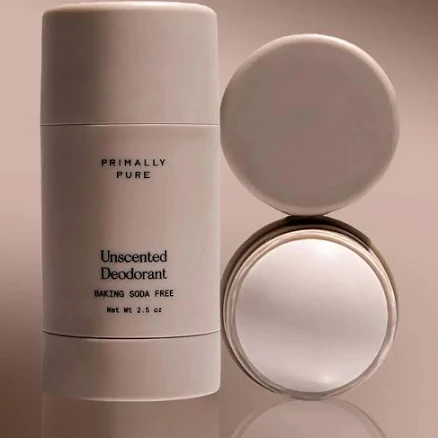
- mineral-based powder blend (arrowroot, magnesium hydroxide, mica)
- We found no PFAS statement from the brand
- Skin irritation from magnesium hydroxide alkalinity
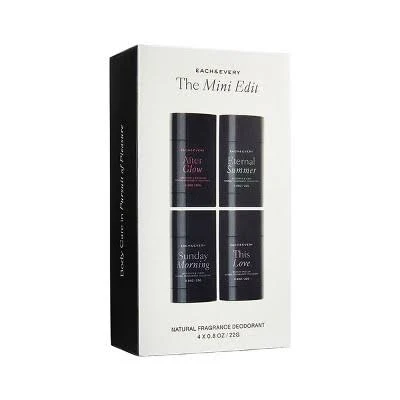
- cosmetic formulations, primary ingredients listed
- A third party reports verifying it as PFAS-free
- Fragrance allergens (natural essential oils)
2 hazards checked on this product, all on its full breakdown.
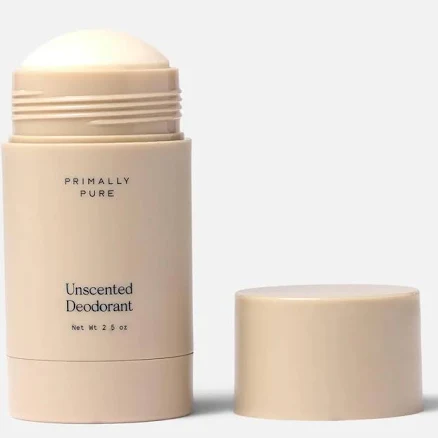
- natural mineral powders, plant-based actives, beeswax
- We found no PFAS statement from the brand
- Beeswax purity and contamination
2 hazards checked on this product, all on its full breakdown.
More deodorant grades
How we score, every product runs through the same public 0-100 rubric based on materials, coatings, brand disclosure, lab findings, and recalls. See the full methodology → Spotted a mistake? Report an error.