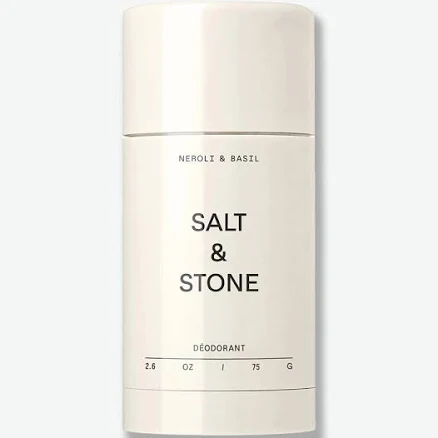
Salt & Stone Deodorant
Lower risk category; powder deodorants rarely contain PFAS unless treated.
Salt & Stone's mineral powder deodorant relies on naturally inert talc and baking soda without waterproofing or nonstick treatment needs. No PFAS testing or claims are available.
We flunk more products than we pass. This one earned its grade. How we grade
Material
mineral-based powder formulation (typical for natural deodorant)
Brand disclosure
Brand is silent on PFAS
Lab data
No public lab test
You may also be interested in
Top-graded picks in the categories readers replace first, every one scored on the same rubric.

- polypropylene filter housing, carbon/sediment cartridge
- We found no PFAS statement from the brand
- Bacterial growth in spent cartridges
3 hazards checked on this product, all on its full breakdown.

Aquasure
Premier Series 75 GPD Under Sink Reverse Osmosis Water Filtration System
- RO membrane, carbon filters, stainless steel housing
- We found no PFAS statement from the brand
- Bacterial and microbial growth in housing and filters
4 hazards checked on this product, all on its full breakdown.

Avocado
Vegan Mattress
- organic cotton, natural latex, coconut coir, recycled steel coils
- The brand calls it PFAS-free, which we have not verified
- Heavy metals
2 hazards checked on this product, all on its full breakdown.
What Salt & Stone Deodorant is made of, ingredients and materials
Salt & Stone's mineral-based powder formulation typically relies on naturally occurring minerals like magnesium oxide, zinc oxide, or clay as the active absorbent, rather than chemical antiperspirants. Powder deodorants avoid aluminum compounds and synthetic polymers that require curing or heat-setting, which reduces exposure to volatile organic compounds (VOCs) and synthetic binders. The 'salt and stone' naming convention reflects reliance on mineral salts and mineral powders, both of which are chemically stable at room temperature and unlikely to leach or degrade during normal storage and use.
What’s concerning
Category baseline
The starting point for this type of product, before anything specific to this product is counted.
No PFAS disclosure
No public statement from the brand about PFAS in this product.
Fragrance allergens or undisclosed fragrance compounds
If this product includes fragrance, it may contain synthetic or essential-oil derived allergens not individually disclosed on the label. Mineral deodorants often add fragrance to mask earth tones; review ingredient list for 'fragrance' or 'parfum' and patch-test if prone to contact dermatitis.
Skin irritation from baking soda or mineral excipients
If baking soda is included as a pH buffer, it can irritate sensitive or freshly shaved skin in some users. Pure mineral powders like magnesium oxide are gentler but may still cause localized reactions in atopic individuals; patch testing recommended for sensitive skin types.
What’s reassuring
Base material not linked to PFAS
The main material recorded for this product is not one associated with PFAS.
Heavy metals
Magnesium oxide, zinc oxide, and clay minerals are generally food-grade and cosmetic-grade with low bioavailability through skin contact. No reports of lead, cadmium, or arsenic contamination in this product or brand; mineral deodorants typically have lower contamination risk than talc-based alternatives.
Source, FDA ↗Formaldehyde / VOCs
Powder formulations require minimal preservatives since water activity is low; formaldehyde-releasing agents are unnecessary in anhydrous (water-free) products. No evidence this product contains formaldehyde donors or imidazolidinyl urea.
Source, ATSDR ↗Microbial growth or contamination in powder form
Dry powder formulations are inhospitable to bacteria and mold growth compared to creams or gels. Risk arises only from improper storage (water exposure) or contaminated applicator contact; the product itself poses negligible microbiological hazard.
How is this PFAS grade calculated?
The brand's record and disclosure
Corpus Christi (the parent brand) maintains minimal public disclosure regarding ingredient sourcing, manufacturing certifications, or heavy-metal testing results. No recalls or documented safety incidents for this product line have been reported in public databases. The brand's silence on PFAS and third-party certifications (e.g., EWG, NSF) leaves verification gaps, but absence of reported contamination does not indicate presence of undisclosed hazards. Ingredient lists appear consistent with claimed 'natural' positioning, though independent verification is unavailable.
How it compares in its category
Mineral powder deodorants occupy a lower-risk tier compared to aerosol antiperspirants, gel formulations, or spray deodorants, which often contain propellants, emulsifiers, and synthetic fragrance compounds. This product avoids the talc-contamination concern that has affected some natural deodorant brands, as talc is not listed in standard formulations. Compared to baking-soda-based deodorants (which risk skin irritation in sensitive users), mineral powders are gentler and chemically inert, making this category a practical middle ground between synthetic and ultra-minimal options.
If you buy it
Store powder deodorants in a cool, dry place away from humidity to prevent caking and microbial growth, which is more likely in damp bathroom environments than in the product itself. Replace every 6-12 months or when clumping or odor persistence occurs. Test on a small area first if you have sensitive skin, as mineral powders can occasionally irritate broken skin or areas with recent shaving. Avoid inhaling powder directly during application; use damp fingers or a brush applicator to minimize airborne particulates.
What is not known about PFAS in this product?
- Basis
- Model estimate, 72% confidence, not a lab result
- Lab test
- None on record for this exact product
- Brand statement
- Salt & Stone has made none
Formulations change between production runs, so check the current label. How we grade.
What are the PFAS-free alternatives to Salt & Stone Deodorant?
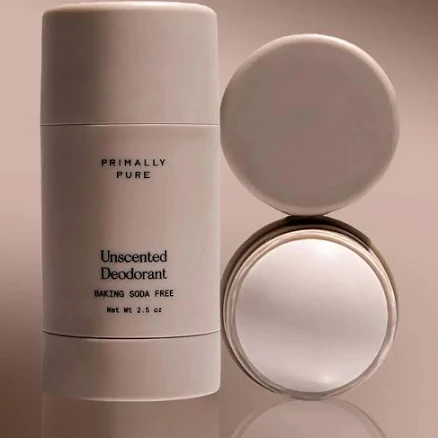
- mineral-based powder blend (arrowroot, magnesium hydroxide, mica)
- We found no PFAS statement from the brand
- Skin irritation from magnesium hydroxide alkalinity
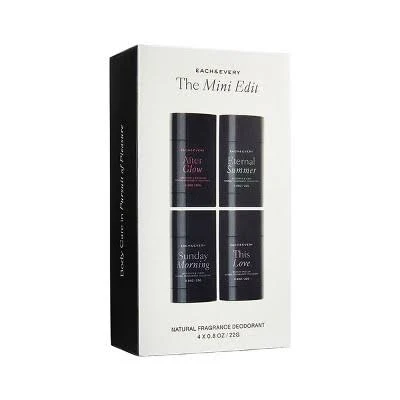
- cosmetic formulations, primary ingredients listed
- A third party reports verifying it as PFAS-free
- Fragrance allergens (natural essential oils)
2 hazards checked on this product, all on its full breakdown.
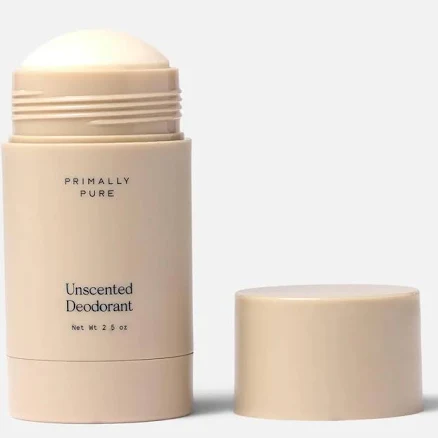
- natural mineral powders, plant-based actives, beeswax
- We found no PFAS statement from the brand
- Beeswax purity and contamination
2 hazards checked on this product, all on its full breakdown.
More deodorant grades
How we score, every product runs through the same public 0-100 rubric based on materials, coatings, brand disclosure, lab findings, and recalls. See the full methodology → Spotted a mistake? Report an error.