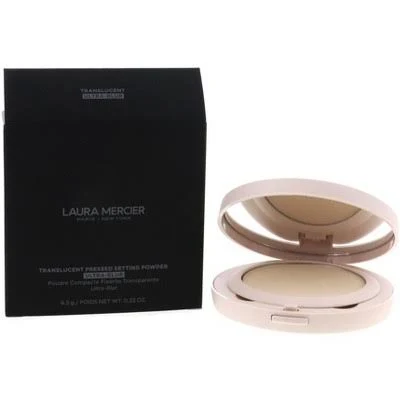
Laura Mercier Translucent Powder · Pressed Powder
Laura Mercier Translucent Pressed Setting Powder
Low-medium risk. Mineral powder base typical of this category with no documented PFAS use.
This talc, mica, and silica powder has no publicly disclosed PFAS ingredients or water and stain-resistance claims typical of PFAS-risk products. The brand makes no PFAS disclosures.
We flunk more products than we pass. This one earned its grade. How we grade
Material
Talc, mica, silica powder base
Brand disclosure
Brand is silent on PFAS
Lab data
No public lab test
You may also be interested in
Top-graded picks in the categories readers replace first, every one scored on the same rubric.

- polypropylene filter housing, carbon/sediment cartridge
- We found no PFAS statement from the brand
- Bacterial growth in spent cartridges
3 hazards checked on this product, all on its full breakdown.

Aquasure
Premier Series 75 GPD Under Sink Reverse Osmosis Water Filtration System
- RO membrane, carbon filters, stainless steel housing
- We found no PFAS statement from the brand
- Bacterial and microbial growth in housing and filters
4 hazards checked on this product, all on its full breakdown.

Avocado
Vegan Mattress
- organic cotton, natural latex, coconut coir, recycled steel coils
- The brand calls it PFAS-free, which we have not verified
- Heavy metals
2 hazards checked on this product, all on its full breakdown.
What Laura Mercier Translucent Setting Powder is made of, ingredients and materials
Laura Mercier Translucent Pressed Setting Powder is a talc-based formulation combined with mica and silica, typical of traditional pressed powders. Talc itself is a naturally occurring mineral that has faced long-running safety questions, but the FDA permits it in cosmetics and has found no proven link to ovarian cancer from cosmetic use (unlike talc in body powders applied to genital areas). The pressed, non-aerosolized form minimizes inhalation risk compared to loose powder versions.
What’s concerning
Category baseline
The starting point for this type of product, before anything specific to this product is counted.
No PFAS disclosure
No public statement from the brand about PFAS in this product.
Talc and asbestos contamination
Talc ore can be contaminated with asbestos during mining. Laura Mercier does not publicly disclose asbestos testing or talc sourcing specifics. FDA requires cosmetic talc to be asbestos-free, but independent verification is not routine for all batches in the US market.
Inhalation hazard from fine particulates
Repeated inhalation of talc or silica powder can irritate respiratory airways over time. Risk is mitigated by brush application and avoidance of direct inhalation, but occupational or heavy daily use may pose cumulative exposure concerns.
What’s reassuring
Base material not linked to PFAS
The main material recorded for this product is not one associated with PFAS.
Heavy metals
No reported contamination, recalls, or regulatory findings for this product. Mica and silica are inert mineral excipients with low leaching risk in leave-on cosmetics.
Source, FDA ↗Fragrance or fragrance allergens
This product is unscented or minimally fragranced; no fragrance allergen concerns are documented or typical for translucent setting powders in this category.
Formaldehyde / VOCs
Talc, mica, and silica formulations do not typically contain formaldehyde-releasing preservatives. No recalls or documented exposures for this product.
Source, ATSDR ↗How is this PFAS grade calculated?
The brand's record and disclosure
Laura Mercier is owned by Estée Lauder and maintains standard cosmetic ingredient disclosure on its website and packaging, though does not publish third-party safety certifications or detailed sourcing statements. The brand has no documented product recalls or regulatory actions tied to this powder. No public statements exist on talc sourcing or asbestos testing, which is typical for mid-to-premium US cosmetics brands that assume FDA compliance substitutes for voluntary transparency.
How it compares in its category
This product sits at the premium end of talc-based setting powders and is functionally similar to competitors like MAC Fix+, Fenty Beauty Pro Filt'r, and other mineral-powder foundations. Silica-based or mica-heavy alternatives exist but lack data showing lower concern; talc remains the industry standard for translucency and slip in pressed powders. Price reflects brand positioning rather than material safety differentiation.
If you buy it
Apply with a brush rather than direct hand contact to minimize inhalation and skin irritation risk. Do not inhale powder clouds during application. Replace every 12-18 months or if the surface becomes noticeably contaminated or caked. Store in a dry location away from humidity to prevent microbial growth and clumping. Discontinue use if any skin irritation develops.
What is not known about PFAS in this product?
- Basis
- Model estimate, 72% confidence, not a lab result
- Lab test
- None on record for this exact product
- Brand statement
- Laura Mercier Translucent Powder has made none
Formulations change between production runs, so check the current label. How we grade.
What are the PFAS-free alternatives to Laura Mercier Translucent Pressed Setting Powder?
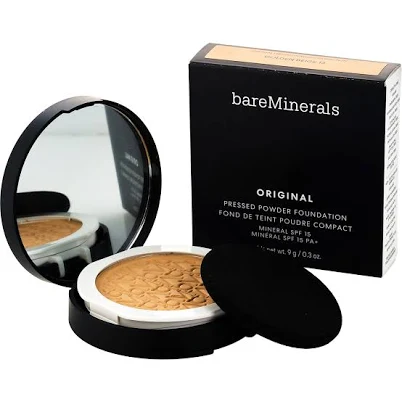
Bare Minerals
bareMinerals Original Talc-Free Pressed Powder Foundation Mineral SPF 15
- Talc-free mineral powder (mica, iron oxides, titanium dioxide)
- The brand calls it PFAS-free, which we have not verified
- Bacterial or fungal growth in powder cake
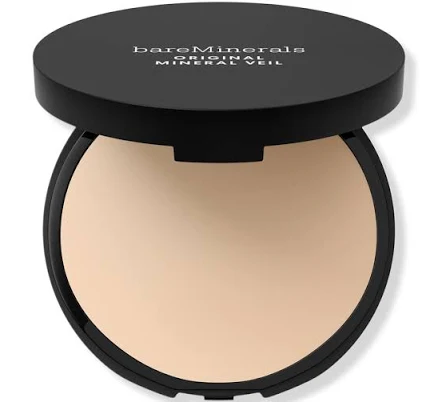
- Mineral powder (talc, mica, oxides)
- The brand calls it PFAS-free, which we have not verified
- Talc and historical asbestos contamination
3 hazards checked on this product, all on its full breakdown.
More pressed powder grades
How we score, every product runs through the same public 0-100 rubric based on materials, coatings, brand disclosure, lab findings, and recalls. See the full methodology → Spotted a mistake? Report an error.