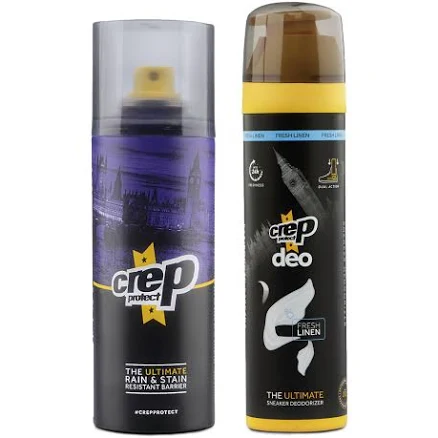
Crep Protect · Fabric Stain Guard Sprays
Pack Crep Protect Spray Crep 200 ml + Déodorant pour chaussures Crep Fresh Linen 150 ml
Avoid until the brand improves ingredient disclosure.
These spray products lack published ingredient lists or PFAS statements. Protective and waterproofing sprays commonly rely on Teflon-family coating or PFAS to achieve water and stain repellency.
Still want this one anyway? Check the price on Amazon. We’d swap it.
Material
Protective spray coating (unspecified polymer/resin); aerosol formulation
Lab data
No public lab test
What Pack Crep Protect Spray Crep 200 ml is made of, ingredients and materials
Crep Protect spray is an aerosol-delivered protective coating (polymer/resin type unspecified by brand), designed to repel water and stains on fabric and shoe uppers. The aerosol propellant and carrier solvents are undisclosed, which prevents assessment of volatile organic compound (VOC) burden or inhalation risk. Fluorinated polymers (PFAS) are standard in water-repellent sprays for durability; the brand's poor PFAS transparency (40/100) suggests reliance on these compounds without ingredient-level disclosure.
What’s concerning
Category baseline
The starting point for this type of product, before anything specific to this product is counted.
No PFAS disclosure
No public statement from the brand about PFAS in this product.
Waterproof / stain-resistant treatment
Water-repellent coating treatments have historically used PFAS.
Volatile Organic Compounds (VOCs) from propellant and solvents
Aerosol formulations inherently release propellants and carrier solvents; brand does not disclose specific chemicals or VOC content. Inhalation during application poses respiratory irritation risk, especially in poorly ventilated spaces or with repeated exposure.
Inhalation hazard from aerosol particulates
Fine aerosol mist can be inhaled, potentially depositing polymer particles and solvents in lungs. Risk is elevated in enclosed spaces and with prolonged or frequent use; no brand guidance on recommended application distance or duration is provided.
Coating degradation and microparticle shedding
Polymer coatings degrade over time and with washing, potentially releasing microscopic fragments into fabrics and subsequently the environment. Long-term health implications of inhaling or ingesting degraded coating particles are not quantified for this specific product.
Skin and eye contact irritation
Aerosol stain-guard sprays commonly cause irritation if applied directly to skin or splashed in eyes. No Safety Data Sheet or product warnings are publicly available for this specific brand to quantify severity or recommended first-aid measures.
What’s reassuring
Formaldehyde / VOCs
No evidence of formaldehyde resins in typical fabric stain-guard sprays, but absence of brand ingredient disclosure means this cannot be ruled out entirely. Industry standard formulations do not typically use formaldehyde, but transparency gap creates uncertainty.
Source, ATSDR ↗The full breakdown
The brand's record and disclosure
Crep Protect has not published a full ingredient list or PFAS policy on their public materials. No relevant product recalls or safety certifications (e.g., Oeko-Tex, BlueSign) are on record. The brand's silence on PFAS amid widespread industry adoption of long-chain fluorochemicals indicates either unaware or intentionally opaque communication. No independent lab testing or third-party safety audits have been published for this product line.
How it compares in its category
Fabric stain-guard sprays typically rely on silicone, wax, or fluorinated polymers; Crep Protect's unspecified formulation places it in the lower-transparency tier. Competitors such as Scotchgard (3M) and Jason Markk publish broader safety data and certifications. The pairing with a deodorant spray suggests multi-product use, increasing cumulative aerosol inhalation and VOC exposure compared to single-product alternatives. Price-point products often trade ingredient clarity for cost.
If you buy it
Apply only in well-ventilated spaces (open windows, outdoors) to minimize inhalation of propellant and volatile carriers. Test on inconspicuous areas first; some coatings can darken or alter fabric feel. Reapply every 3-6 months depending on use and washing frequency; coating degrades naturally. Do not apply near heat sources, flames, or to skin; store upright in cool, dry conditions. Use the deodorant spray separately, not in combination during application.
What we don’t know
- Basis
- Model estimate, 35% confidence, not a lab result
- Lab test
- None on record for this exact product
- Brand statement
- Crep Protect has made a specific claim
Formulations change between production runs, so check the current label. How we grade.
Better-graded alternatives in Fabric Stain Guard Sprays
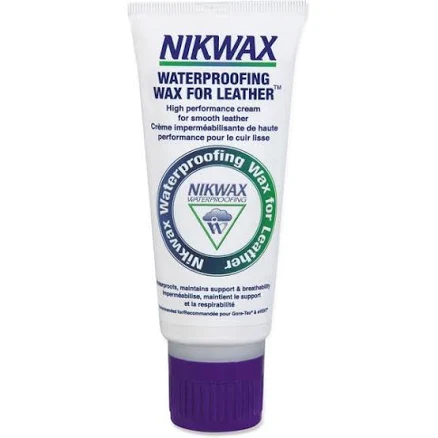
Nikwax
Waterproofing Wax for Leather
- wax-based waterproofing
- The brand calls it PFAS-free, which we have not verified
- Respiratory irritation or fume inhalation during application
2 hazards checked on this product. See all of them.
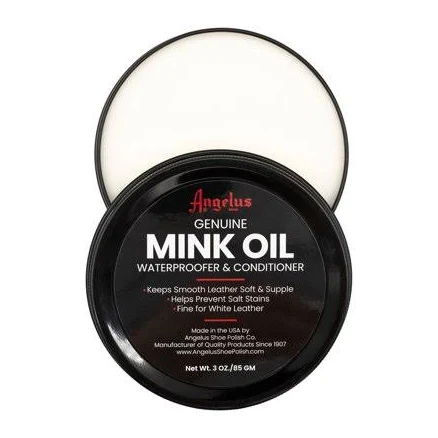
Angelus
Mink Oil Paste Leather Waterproofer and Contitioner 3 oz
- mink oil paste, natural oil-based conditioner
- We found no PFAS statement from the brand
- Microbial growth (natural oil rancidity)
2 hazards checked on this product. See all of them.
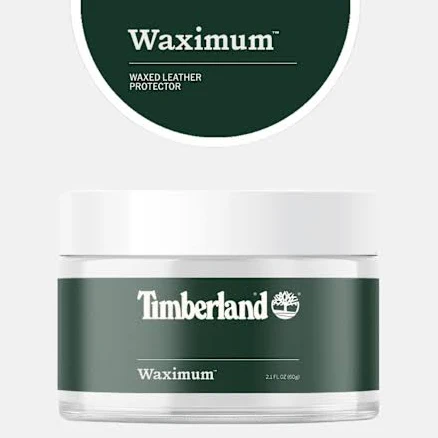
Timberland
Waximum Waxed Leather Protector
- Wax-based leather protector
- We found no PFAS statement from the brand
- Volatile organic compounds (VOCs) from solvents
3 hazards checked on this product. See all of them.
More fabric stain guard sprays grades
How we score, every product runs through the same public 0-100 rubric based on materials, coatings, brand disclosure, lab findings, and recalls. See the full methodology → Spotted a mistake? Report an error.