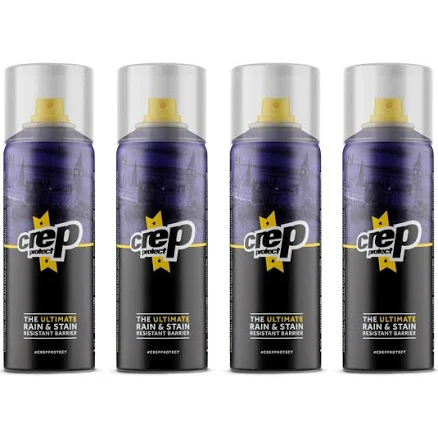
Crep Protect · Fabric Stain Guard Sprays
Protector Spray for Shoes (2-pack)
Avoid until the brand discloses PFAS status or spray chemistry.
This shoe protector spray is marketed for water and stain resistance but provides no PFAS disclosure or ingredient sourcing information. Spray-applied water and stain repellents historically rely on fluorochemical water-repellent coating.
Still want this one anyway? Check the price on Amazon. We’d swap it.
Material
Proprietary water/stain-repellent spray coating (unspecified)
Lab data
No public lab test
What Protector Spray for Shoes (2-pack) is made of, ingredients and materials
Crep Protect's shoe spray uses a proprietary water and stain-repellent coating formulation that the brand does not publicly disclose in detail. The lack of transparency on active ingredients prevents independent assessment of whether the formula relies on fluorinated compounds (PFAS) or alternatives with lower concern. Stain-guard sprays in this category typically use either PFAS-based fluorocarbons or newer non-fluorinated silicone polymers; without ingredient lists, you cannot determine which approach this product takes.
What’s concerning
Category baseline
The starting point for this type of product, before anything specific to this product is counted.
No PFAS disclosure
No public statement from the brand about PFAS in this product.
Waterproof / stain-resistant treatment
Water-repellent coating treatments have historically used PFAS.
PFAS
Product scored 40/100 on PFAS safety; proprietary formula and brand silence suggest fluorinated repellent chemistry. PFAS accumulates in blood and environment; linked to immune suppression and liver effects.
Source, ATSDR ↗Volatile organic compounds (VOCs) and inhalation exposure
Spray formulations typically contain solvents to disperse repellent coatings. No published VOC data available for this product; inhalation during application is the primary exposure route, especially in poorly ventilated spaces.
Coating durability and reapplication frequency
Consumer reviews indicate the protective coating degrades within weeks to months, requiring frequent respraying. Repeated applications increase cumulative exposure to the spray chemistry.
Undisclosed fragrance or additives
Proprietary formulas may include fragrance compounds or antimicrobial additives not listed on the label. Without full disclosure, allergen and sensitization risks cannot be ruled out.
Aquatic toxicity from runoff
Fluorinated repellents are designed to persist on fabric; when shoes shed treated fibers or spray residue washes off during rain, PFAS and other coating compounds enter water systems where they bioaccumulate.
The full breakdown
The brand's record and disclosure
Crep Protect has maintained silence on PFAS presence and chemical composition despite industry movement toward transparency. The brand holds no publicly visible certifications (e.g., Bluesign, OEKO-TEX) that would signal third-party safety vetting. The proprietary formula stance combined with a poor PFAS safety grade (40/100) suggests the company has not committed to phasing out or disclosing fluorinated chemistry, raising red flags about corporate accountability.
How it compares in its category
Fabric stain-guard sprays split into two camps, older PFAS-based products (like Crep Protect appears to be) and newer non-fluorinated alternatives using silicone or wax-based repellents. Competitors such as Scotchgard have faced PFAS lawsuits and reputational damage, forcing some reformulation. Products explicitly labeled PFAS-free or certified by environmental standards (e.g.Nikwax fabric spray and some eco-brands now offer spray options with lower concern for shoe protection, making Crep Protect's silence a relative disadvantage.
If you buy it
Apply in well-ventilated outdoor areas or garages to avoid inhaling spray particles; the formulation does not specify if volatile organic compounds are present. Do not apply to leather, suede, or delicate fabrics without testing on a hidden area first. Reapply every 3-6 months or after washing, depending on wear. Store in a cool, dry place and shake before use; discontinue if you notice skin irritation or respiratory symptoms during application.
What we don’t know
- Basis
- Model estimate, 35% confidence, not a lab result
- Lab test
- None on record for this exact product
- Brand statement
- Crep Protect has made a specific claim
Formulations change between production runs, so check the current label. How we grade.
Better-graded alternatives in Fabric Stain Guard Sprays
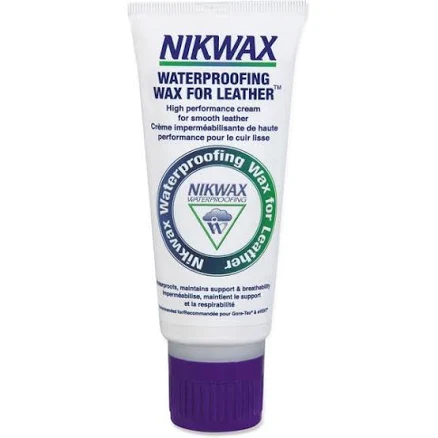
Nikwax
Waterproofing Wax for Leather
- wax-based waterproofing
- The brand calls it PFAS-free, which we have not verified
- Respiratory irritation or fume inhalation during application
2 hazards checked on this product. See all of them.
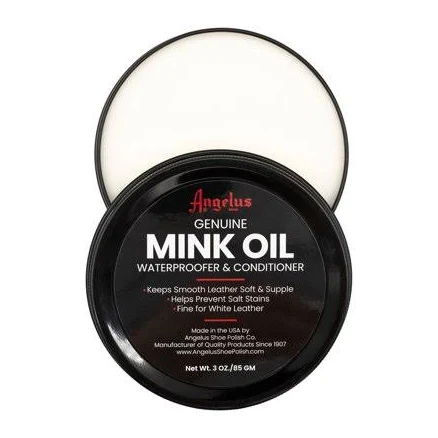
Angelus
Mink Oil Paste Leather Waterproofer and Contitioner 3 oz
- mink oil paste, natural oil-based conditioner
- We found no PFAS statement from the brand
- Microbial growth (natural oil rancidity)
2 hazards checked on this product. See all of them.
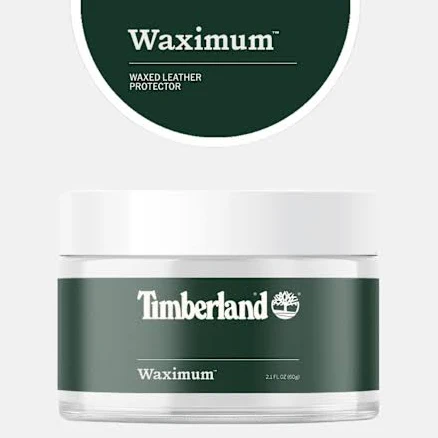
Timberland
Waximum Waxed Leather Protector
- Wax-based leather protector
- We found no PFAS statement from the brand
- Volatile organic compounds (VOCs) from solvents
3 hazards checked on this product. See all of them.
More fabric stain guard sprays grades
How we score, every product runs through the same public 0-100 rubric based on materials, coatings, brand disclosure, lab findings, and recalls. See the full methodology → Spotted a mistake? Report an error.