Crisco · Fabric Stain Guard Sprays
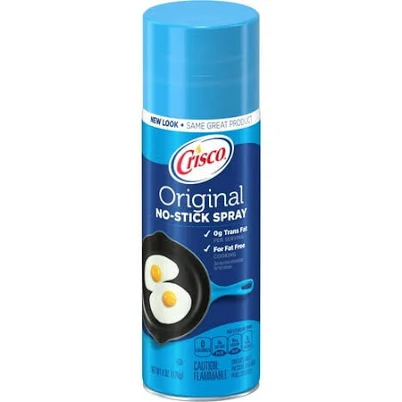
Crisco Original No-Stick Spray, 6-Ounce
No brand disclosure on PFAS; aerosols often use fluorochemicals.
Crisco does not publicly state whether this aerosol spray contains PFAS or Teflon-family coating. No-stick aerosol formulations often rely on fluorinated compounds; request ingredient details directly.
Still want this one anyway? Check the price on Amazon. We’d swap it.
Material
Propellant-dispersed oil, aerosol spray coating
Brand disclosure
Brand is silent on PFAS
Lab data
No public lab test
You may also be interested in
Top-graded picks in the categories readers replace first, every one scored on the same rubric.

Aqua Pure
3M Aqua-Pure AP802B Whole House Filter Housing
- polypropylene filter housing, carbon/sediment cartridge
- We found no PFAS statement from the brand
- Bacterial growth in spent cartridges
3 hazards checked on this product. See all of them.

Aquasure
Premier Series 75 GPD Under Sink Reverse Osmosis Water Filtration System
- RO membrane, carbon filters, stainless steel housing
- We found no PFAS statement from the brand
- Bacterial and microbial growth in housing and filters
4 hazards checked on this product. See all of them.

Avocado
Vegan Mattress
- organic cotton, natural latex, coconut coir, recycled steel coils
- The brand calls it PFAS-free, which we have not verified
- Heavy metals
2 hazards checked on this product. See all of them.
What Crisco Original No-Stick Spray, 6-Ounce is made of, ingredients and materials
Crisco Original No-Stick Spray is a pressurized aerosol containing soybean oil as the active ingredient, mixed with a propellant (likely butane and/or isobutane) to create a fine mist. The 'no-stick' performance traditionally came from silicone or fluorochemical coatings in commercial cooking sprays, though Crisco's specific formulation details are not publicly disclosed. The propellant-dispersed delivery means you inhale some fraction of the mist during use, not just apply it to cookware.
What’s concerning
Category baseline
The starting point for this type of product, before anything specific to this product is counted.
No PFAS disclosure
No public statement from the brand about PFAS in this product.
Non-stick, chemistry undisclosed
Marketed as non-stick without stating the coating chemistry.
Propellant inhalation (butane/isobutane)
Aerosol propellants are volatile and inhaled during kitchen use. Acute effects (dizziness, headache) are rare at normal use rates but risk is higher with frequent or unsupervised spraying. Crisco does not disclose propellant type or concentration.
Fluorochemical coating (Teflon-type coating or silicone)
No-stick aerosol sprays commonly contain Teflon-type coating or silicone polymers; Crisco has not disclosed which. Teflon-type coating releases fumes above 500°F on cookware. Silicone is generally recognized as safe but not universally accepted by all consumers.
What’s reassuring
Oil oxidation and rancidity
Soybean oil in aerosol form has higher surface area exposed to air and light during storage. Rancid oil is unpleasant but not acutely toxic; shelf life of 1-2 years is typical and Crisco provides no expiration date on the product.
Heavy metals
Crisco soybean oil is food-grade and subject to FDA oversight; no recalls or contamination incidents are on record for this specific product. Standard agricultural pesticide and processing residues are expected at regulated levels.
Source, FDA ↗The full breakdown
The brand's record and disclosure
Crisco (owned by B&G Foods) has not published specific ingredient lists or PFAS-free certifications for this product line. The brand does not disclose whether the spray contains Teflon-type coating, silicones, or fluorinated compounds that would prevent sticking. This lack of transparency is standard in the cooking spray category and reflects industry practice rather than unusual concealment, but it leaves consumers unable to verify safety claims.
How it compares in its category
Aerosol cooking sprays are more convenient than butter or oil poured by hand but introduce inhalation exposure that solid fats avoid. Competitor brands (PAM, Wesson spray) have similar transparency gaps. Oil-based pump sprays and refillable glass bottles with silicone brushes eliminate propellant inhalation entirely but require more effort. Solid coconut oil or butter avoids all aerosol and potential fluorochemical concerns.
If you buy it
Always use in a well-ventilated kitchen (exhaust fan running) to minimize propellant inhalation, especially for frequent users or those with asthma or respiratory sensitivity. Do not spray directly into flame or use on surfaces that will be heated above 400°F before the spray dries, as propellants may ignite. Replace the can every 12-18 months; older cans may leak or clog, forcing you to shake vigorously and increase inhalation exposure. Consider switching to a pump oil sprayer or solid fat for daily use.
What we don’t know
- Basis
- Model estimate, 35% confidence, not a lab result
- Lab test
- None on record for this exact product
- Brand statement
- Crisco has made none
Formulations change between production runs, so check the current label. How we grade.
Better-graded alternatives in Fabric Stain Guard Sprays
Nikwax
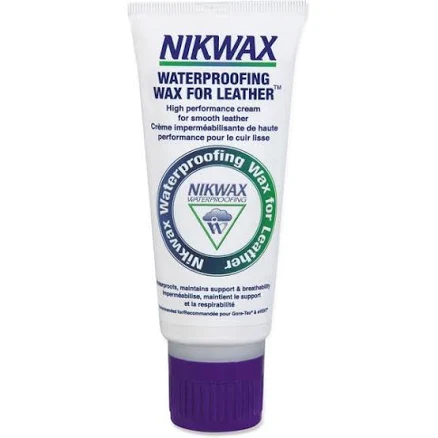
Waterproofing Wax for Leather
- wax-based waterproofing
- The brand calls it PFAS-free, which we have not verified
- Respiratory irritation or fume inhalation during application
2 hazards checked on this product. See all of them.
Find an alternative on Amazon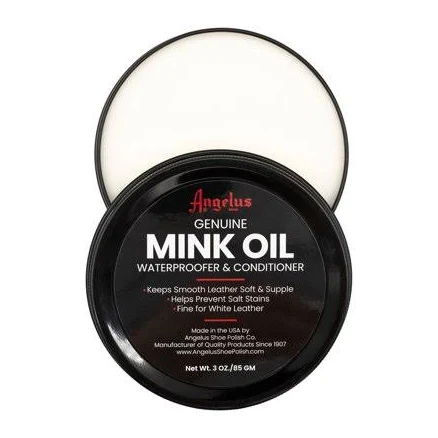
Angelus
Mink Oil Paste Leather Waterproofer and Contitioner 3 oz
- mink oil paste, natural oil-based conditioner
- We found no PFAS statement from the brand
- Microbial growth (natural oil rancidity)
2 hazards checked on this product. See all of them.
Find an alternative on Amazon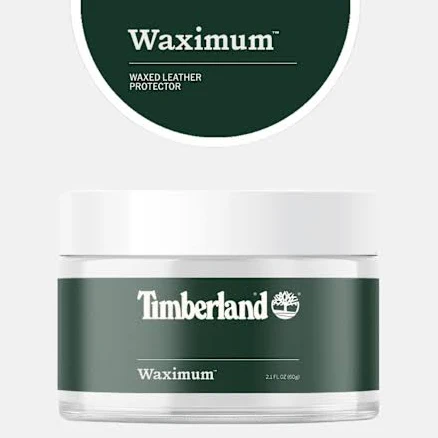
Timberland
Waximum Waxed Leather Protector
- Wax-based leather protector
- We found no PFAS statement from the brand
- Volatile organic compounds (VOCs) from solvents
3 hazards checked on this product. See all of them.
Find an alternative on AmazonMore fabric stain guard sprays grades
How we score, every product runs through the same public 0-100 rubric based on materials, coatings, brand disclosure, lab findings, and recalls. See the full methodology → Spotted a mistake? Report an error.