7-Quart Cook and Carry Programmable Slow Cooker, Is It Non-Toxic?
Skip until brand discloses nonstick coating type.
Crock-Pot does not disclose what nonstick coating this slow cooker uses. Without confirmation the coating is Teflon-type coating-free, PFAS risk remains uncertain.
The better-graded swap
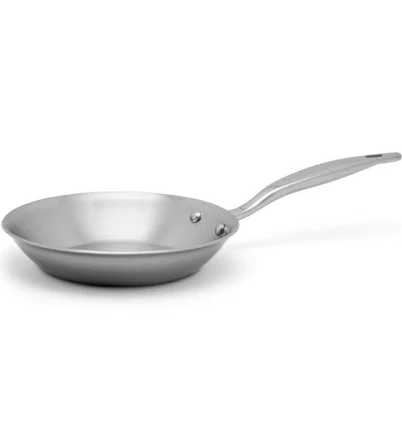
Heritage Steel
Heritage Steel Fry Pan 8.5"
100/100 safety
Same rubric that flunked this product. The swap earned Excellent.
Still want this one anyway? Check the price on Amazon. We’d swap it.
Material
stainless steel pot, nonstick-coated lid and interior
Brand disclosure
Brand is silent on PFAS
Lab data
No public lab test
You may also be interested in
Top-graded picks in the categories readers replace first, every one scored on the same rubric.

- polypropylene filter housing, carbon/sediment cartridge
- We found no PFAS statement from the brand
- Bacterial growth in spent cartridges
3 hazards checked on this product, all on its full breakdown.

Aquasure
Premier Series 75 GPD Under Sink Reverse Osmosis Water Filtration System
- RO membrane, carbon filters, stainless steel housing
- We found no PFAS statement from the brand
- Bacterial and microbial growth in housing and filters
4 hazards checked on this product, all on its full breakdown.

Avocado
Vegan Mattress
- organic cotton, natural latex, coconut coir, recycled steel coils
- The brand calls it PFAS-free, which we have not verified
- Heavy metals
2 hazards checked on this product, all on its full breakdown.
Is 7-Quart Cook and Carry Slow Cooker non-toxic? What it is made of
The cooking vessel is stainless steel, which does not leach metals under normal slow-cooking conditions and is considered stable for food contact. The interior and lid are coated with an unnamed nonstick surface, common in Crock-Pot models but not publicly specified as Teflon-type coating, ceramic, or another chemistry. Stainless steel itself resists corrosion and does not degrade from acidic or prolonged food contact, but the nonstick coating's durability and composition determine whether it can flake, off-gas, or migrate into food.
What’s concerning
Non-stick, chemistry undisclosed
Marketed as non-stick without stating the coating chemistry.
Category baseline
The starting point for this type of product, before anything specific to this product is counted.
No PFAS disclosure
No public statement from the brand about PFAS in this product.
Nonstick coating degradation and flaking
The specific nonstick type is not disclosed by the brand. If Teflon-type coating-based, mechanical damage or overheating can cause chipping; if ceramic or other polymer, degradation timelines vary. Visible flaking warrants replacement.
Thermal off-gassing from undisclosed nonstick coating
Without confirmation of coating type, the risk of fume release at slow-cooker operating temperatures (typically 170-280F) cannot be ruled out. Most nonstick coatings are stable below 500F, but brand silence prevents definitive assessment.
What’s reassuring
Stainless steel pot leaching (nickel, chromium)
Stainless steel cookware is widely used for food preparation and nickel/chromium leaching into food is minimal at slow-cooker temperatures and pH ranges. No established recalls or concerns for this model.
Lid seal and condensation management
Programmable slow cookers typically use rubber or silicone gaskets in the lid. No public reports of contamination or degradation specific to this model; standard maintenance (cleaning gasket, occasional replacement) applies.
Lead
The lid is described as nonstick-coated, not glazed ceramic. No enamel or lead-bearing surfaces are indicated in the known design. Standard stainless steel hardware carries minimal risk.
Source, ATSDR ↗How is this PFAS grade calculated?
The brand's record and disclosure
Crock-Pot (owned by Instant Brands) has not publicly disclosed the specific nonstick coating chemistry used in this model, nor has the brand committed to PFAS-free or Teflon-type coating-free formulations across its product line. No major recalls specific to this model for coating degradation or chemical migration have been recorded in public databases. The silence on nonstick type is a notable gap, especially given industry-wide PFAS scrutiny; competitors like Le Creuset and some OXO models provide explicit material disclosure.
How it compares in its category
This model sits mid-range in the slow-cooker category. Cast iron or enameled cast iron alternatives (e.g., Le Creuset slow cookers) eliminate nonstick coating risk but are heavier and more expensive. Stainless steel interior-only models without nonstick interiors are rarer and typically less convenient. Most modern slow cookers, including this one, use nonstick coatings; the competitive disadvantage here is lack of transparency rather than inherent material inferiority.
If you buy it
Avoid preheating the empty pot or running it dry, which can degrade nonstick coatings faster and potentially release fumes. Do not use metal utensils on the nonstick interior; use wood or silicone. If the nonstick surface begins to flake, peel, or show visible wear, discontinue use and replace the unit. Hand wash the pot insert and lid; dishwasher exposure can shorten coating life. Monitor for any changes in smell or appearance of the nonstick surface during the first few uses.
What is not known about PFAS in this product?
- Basis
- Model estimate, 35% confidence, not a lab result
- Lab test
- None on record for this exact product
- Brand statement
- Crock-Pot has made none
Formulations change between production runs, so check the current label. How we grade.
What are the PFAS-free alternatives to 7-Quart Cook and Carry Programmable Slow Cooker?
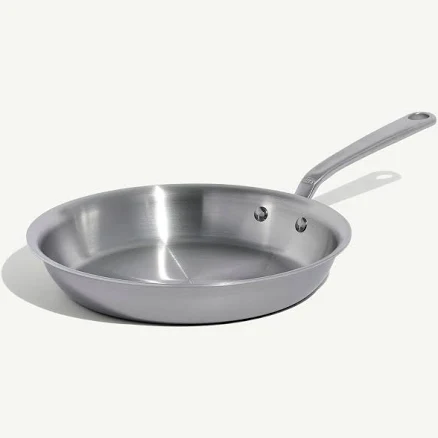
- Stainless steel clad construction, no nonstick coating
- The brand calls it PFAS-free, which we have not verified
- Clad separation or delamination over time
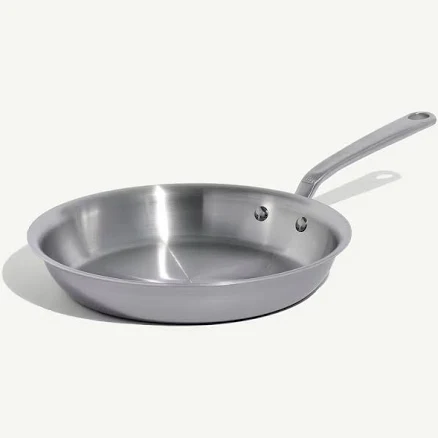
- stainless steel clad construction, no nonstick coating
- The brand calls it PFAS-free, which we have not verified
- Nickel leaching from stainless steel
3 hazards checked on this product, all on its full breakdown.
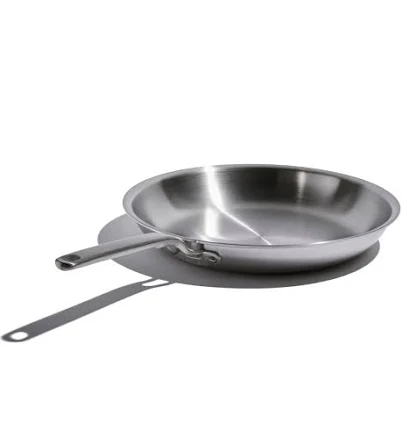
- Clad stainless steel, no coating
- The brand calls it PFAS-free, which we have not verified
- Metal ion release during cooking (iron, nickel, chromium)
More cookware grades
How we score, every product runs through the same public 0-100 rubric based on materials, coatings, brand disclosure, lab findings, and recalls. See the full methodology → Spotted a mistake? Report an error.