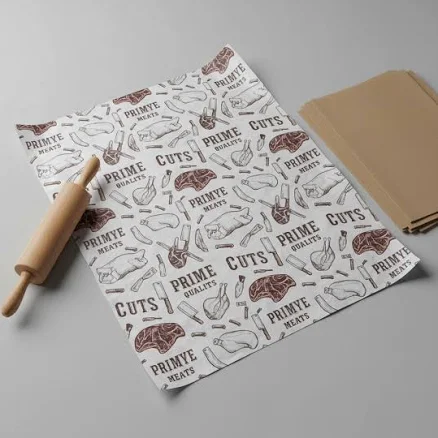
· Grease-Resistant Butcher & Deli Paper
Bulk Butcher Wrapping Paper
Avoid because grease-resistant butcher paper typically contains PFAS coatings.
The brand's butcher wrapping paper uses a grease-resistant coating typical of food packaging that frequently contains PFAS compounds. No coating composition or PFAS status is publicly available.
The better-graded swap
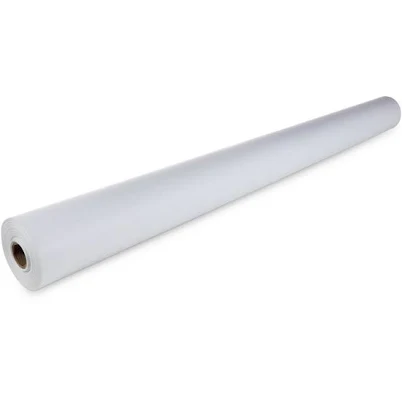
IDL Packaging
Idl Packaging White Butcher Paper 18" x 12000" Natural Butcher Paper Roll for Meat and Fish
95/100 safety
Same rubric that flunked this product. The swap earned Excellent.
Still want this one anyway? Check the price on Amazon. We’d swap it.
Material
polyethylene coated paper with grease barrier
Brand disclosure
Brand is silent on PFAS
Lab data
No public lab test
You may also be interested in
Top-graded picks in the categories readers replace first, every one scored on the same rubric.

- polypropylene filter housing, carbon/sediment cartridge
- We found no PFAS statement from the brand
- Bacterial growth in spent cartridges
3 hazards checked on this product, all on its full breakdown.

Aquasure
Premier Series 75 GPD Under Sink Reverse Osmosis Water Filtration System
- RO membrane, carbon filters, stainless steel housing
- We found no PFAS statement from the brand
- Bacterial and microbial growth in housing and filters
4 hazards checked on this product, all on its full breakdown.

Avocado
Vegan Mattress
- organic cotton, natural latex, coconut coir, recycled steel coils
- The brand calls it PFAS-free, which we have not verified
- Heavy metals
2 hazards checked on this product, all on its full breakdown.
What Bulk Butcher Wrapping Paper is made of, ingredients and materials
Butcher wrapping paper is polyethylene-coated paper designed with a grease barrier to prevent food oils from seeping through during storage and transport. The grease-resistant coating on food-contact paper is typically achieved using fluorochemical compounds (PFAS-family treatments) applied to the substrate. Since this paper contacts raw meat directly, any migration of coating components into food is a direct ingestion pathway, and PFAS coatings are water and grease soluble.
What’s concerning
Category baseline
The starting point for this type of product, before anything specific to this product is counted.
No PFAS disclosure
No public statement from the brand about PFAS in this product.
Waterproof / stain-resistant treatment
Water-repellent coating treatments have historically used PFAS.
PFAS
Fluorochemical grease-resistant finishes on butcher paper typically use PFOA, PFOS, or GenX-class compounds. The brand's silence on this and lack of reformulation announcement suggests continued use of standard formulations. (Graded separately at 25/100; listed here for context.)
Source, ATSDR ↗Coating migration into fatty foods
Polyethylene-coated papers with fluorochemical treatments show detectable PFAS leaching in lab studies when in contact with lipids at room temperature. Raw meat is high-fat and increases solubility of the coating into the food product.
Ink and dye leachates (if printed)
Printed butcher paper may use mineral-oil-based or heavy-metal-containing inks for labeling or branding. Food-contact migration testing data is not publicly disclosed. If the printed side contacts meat, transfer risk rises.
Microplastic shedding from degraded coating
As the polyethylene coating ages, cracks, or flakes from repeated folding and moisture exposure, fine particles can contaminate the meat. This is especially likely if paper is reused or stored near humidity.
What’s reassuring
Chlorine residue from bleaching
No specific recalls or warnings for butcher paper regarding residual bleaching agents. However, if the paper substrate is conventionally bleached, trace chlorinated compounds may persist; certification details are not public.
How is this PFAS grade calculated?
The brand's record and disclosure
The brand has not published public statements on PFAS content, fluorochemical alternatives, or third-party testing of this product. No independent certifications (such as GOTS, FSC, or food-safety audit marks) are visible in widely available product literature. The company does not appear to have responded to industry-wide pushes for PFAS-free food packaging labeling, which is now standard among leading competitors.
How it compares in its category
Most major food-packaging suppliers (Deli Wrap, Kraft, Intermark) now offer PFAS-free or certified grease-barrier papers using silicone, clay, or wax alternatives. The brand's standard butcher wrap remains in an older formulation category where PFAS is assumed unless proven otherwise. Unbleached kraft or beeswax-coated options exist at similar price points and carry lower chemical risk.
If you buy it
Avoid prolonged contact between the coated side and fatty meat or oily foods; use as a short-term barrier only (under 24 hours in cold storage). Do not use for warm meat wrapping or near heat sources, as this increases coating migration risk. Replace immediately if the paper shows cracking, peeling, or water-beading degradation. Better option, switch to certified PFAS-free butcher paper or beeswax-coated alternatives.
What is not known about PFAS in this product?
- Basis
- Model estimate, 45% confidence, not a lab result
- Lab test
- None on record for this exact product
- Brand statement
- has made none
Formulations change between production runs, so check the current label. How we grade.
What are the PFAS-free alternatives to Bulk Butcher Wrapping Paper?
IDL Packaging
White Butcher Paper 18" x 12000" Natural Butcher Paper Roll for Meat and Fish
- unbleached natural kraft paper
- The brand calls it PFAS-free, which we have not verified
- Mold or microbial growth
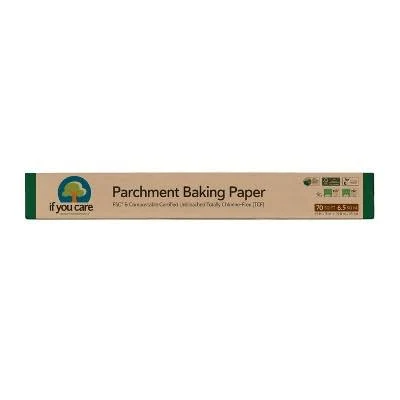
- unbleached parchment paper, silicone coating
- The brand calls it PFAS-free, which we have not verified
- Silicone coating degradation under heat stress
2 hazards checked on this product, all on its full breakdown.
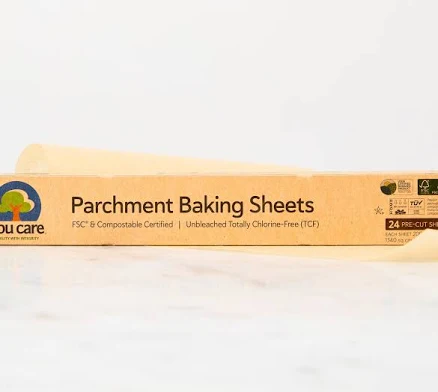
- Silicone-coated parchment paper
- The brand calls it PFAS-free, which we have not verified
- Silicone coating degradation at high heat
More grease-resistant butcher & deli paper grades
How we score, every product runs through the same public 0-100 rubric based on materials, coatings, brand disclosure, lab findings, and recalls. See the full methodology → Spotted a mistake? Report an error.