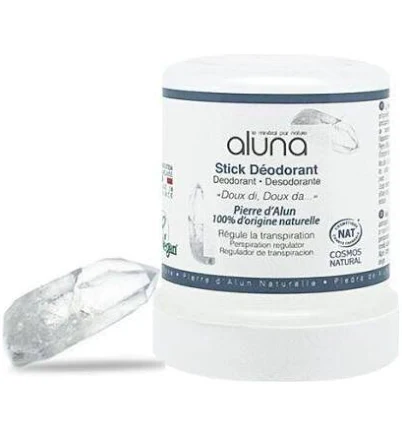
Aluna Stick Deodorant
Lower concern; mineral salt deodorants rarely use PFAS.
Aluna Stick Deodorant is formulated from mineral salts without synthetic coating, a product class with historically low PFAS risk. The brand makes no public statement about PFAS or ingredient sourcing.
We flunk more products than we pass. This one earned its grade. How we grade
Material
mineral salts (potassium alum or ammonium alum); no synthetic coating
Brand disclosure
Brand is silent on PFAS
Lab data
No public lab test
You may also be interested in
Top-graded picks in the categories readers replace first, every one scored on the same rubric.

- polypropylene filter housing, carbon/sediment cartridge
- We found no PFAS statement from the brand
- Bacterial growth in spent cartridges
3 hazards checked on this product, all on its full breakdown.

Aquasure
Premier Series 75 GPD Under Sink Reverse Osmosis Water Filtration System
- RO membrane, carbon filters, stainless steel housing
- We found no PFAS statement from the brand
- Bacterial and microbial growth in housing and filters
4 hazards checked on this product, all on its full breakdown.

Avocado
Vegan Mattress
- organic cotton, natural latex, coconut coir, recycled steel coils
- The brand calls it PFAS-free, which we have not verified
- Heavy metals
2 hazards checked on this product, all on its full breakdown.
What Aluna Stick Deodorant is made of, ingredients and materials
Aluna Stick uses potassium alum or ammonium alum salts, naturally occurring mineral compounds that work by forming a protective layer on skin and inhibiting bacterial growth without blocking sweat. These salts have been used in personal care for decades and are not synthetic chemicals. Unlike antiperspirants, alum deodorants do not contain aluminum chlorohydrate or other aluminum compounds designed to plug sweat ducts, reducing systemic absorption risk.
What’s concerning
Category baseline
The starting point for this type of product, before anything specific to this product is counted.
No PFAS disclosure
No public statement from the brand about PFAS in this product.
Lead
Potassium and ammonium alum are mined minerals and can contain trace heavy metal contaminants depending on source and refining. Crystal has not published third-party heavy metal testing data for this product. Risk is lower than synthetic additives but unverified.
Source, ATSDR ↗Skin irritation or allergic contact dermatitis
Pure mineral salt deodorants are generally well-tolerated, but occasional contact irritation has been anecdotally reported in sensitive individuals. No formal adverse event database entries are on record for this specific brand, but irritation risk exists with any topical product.
Fragrance allergens (if scented variant)
If the product contains added fragrance oils or essential oils, these can trigger contact dermatitis or respiratory irritation in sensitive users. Crystal markets both scented and unscented versions; fragrance ingredient lists are not consistently disclosed.
What’s reassuring
Base material not linked to PFAS
The main material recorded for this product is not one associated with PFAS.
Talc or talc-like mineral contaminants
Aluma Stick formulations typically do not include talc filler. However, if the product contains anti-caking agents or flow additives from the mining or processing stage, trace silicate minerals could be present. Brand does not detail secondary ingredients or processing aids.
Bacterial or mold growth in stick form
The mineral salt base and solid form inhibit microbial growth under normal storage. Risk is negligible if kept dry. No documented contamination incidents are on record for this product line.
How is this PFAS grade calculated?
The brand's record and disclosure
Crystal (owned by Coty Inc.) has maintained a minimal public stance on ingredient sourcing and third-party testing for this product line. The brand does not highlight certifications such as EWG Verified, Leaping Bunny, or NSF standards on marketed materials. No significant safety recalls or regulatory actions are on record for this specific deodorant, but the brand's silence on manufacturing controls and heavy metal testing of mineral salts limits independent verification.
How it compares in its category
Mineral salt deodorants sit at the lower-toxicity end of the deodorant spectrum, avoiding synthetic preservatives, fragrance blends, and antiperspirant actives found in conventional stick formulas. They carry less risk of allergic contact dermatitis than products with added botanicals or essential oils. However, they are less effective for heavy perspiration than antiperspirants and may feel less cosmetically elegant than talc-containing or silicone-based alternatives.
If you buy it
Store in a cool, dry place to prevent the stick from crumbling or absorbing moisture. The crystal will gradually wear down with use; replace when material becomes too small to apply comfortably, typically every 6-12 months depending on frequency. Wet skin slightly before application for even coverage and to reduce dust. If skin irritation or rash develops, discontinue use; pure mineral salts are well-tolerated but individual sensitivity is possible.
What is not known about PFAS in this product?
- Basis
- Model estimate, 78% confidence, not a lab result
- Lab test
- None on record for this exact product
- Brand statement
- Aluna has made none
Formulations change between production runs, so check the current label. How we grade.
What are the PFAS-free alternatives to Aluna Stick Deodorant?
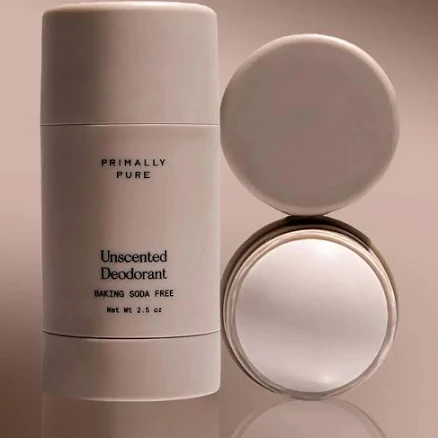
- mineral-based powder blend (arrowroot, magnesium hydroxide, mica)
- We found no PFAS statement from the brand
- Skin irritation from magnesium hydroxide alkalinity
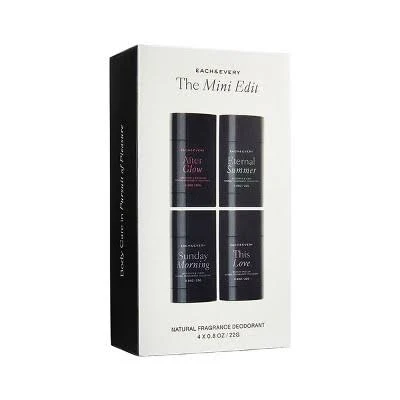
- cosmetic formulations, primary ingredients listed
- A third party reports verifying it as PFAS-free
- Fragrance allergens (natural essential oils)
2 hazards checked on this product, all on its full breakdown.
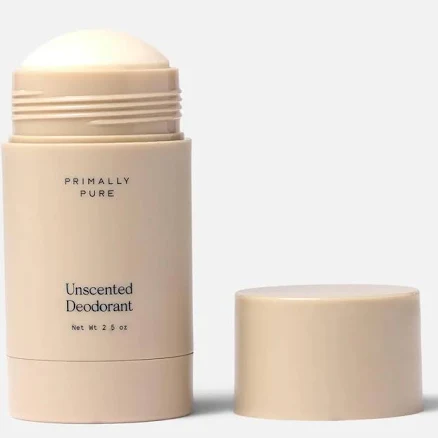
- natural mineral powders, plant-based actives, beeswax
- We found no PFAS statement from the brand
- Beeswax purity and contamination
2 hazards checked on this product, all on its full breakdown.
More deodorant grades
How we score, every product runs through the same public 0-100 rubric based on materials, coatings, brand disclosure, lab findings, and recalls. See the full methodology → Spotted a mistake? Report an error.