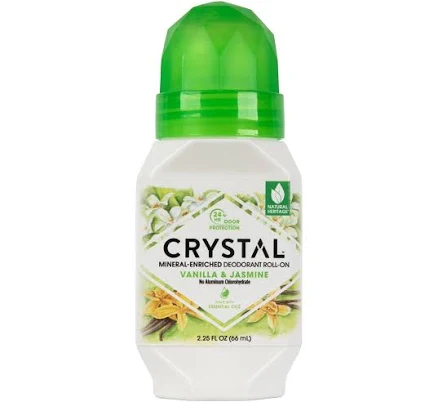
Crystal Mineral Deodorant Roll On
No coating of concern recorded, and no PFAS statement from the brand.
The brand has published no PFAS statement for this product that we could find.
We flunk more products than we pass. This one earned its grade. How we grade
Material
mineral salts (potassium alum or ammonium alum)
Brand disclosure
Brand is silent on PFAS
Lab data
No public lab test
You may also be interested in
Top-graded picks in the categories readers replace first, every one scored on the same rubric.

- polypropylene filter housing, carbon/sediment cartridge
- We found no PFAS statement from the brand
- Bacterial growth in spent cartridges
3 hazards checked on this product, all on its full breakdown.

Aquasure
Premier Series 75 GPD Under Sink Reverse Osmosis Water Filtration System
- RO membrane, carbon filters, stainless steel housing
- We found no PFAS statement from the brand
- Bacterial and microbial growth in housing and filters
4 hazards checked on this product, all on its full breakdown.

Avocado
Vegan Mattress
- organic cotton, natural latex, coconut coir, recycled steel coils
- The brand calls it PFAS-free, which we have not verified
- Heavy metals
2 hazards checked on this product, all on its full breakdown.
What Crystal Mineral Deodorant Roll On is made of, ingredients and materials
Crystal deodorants are formulated from potassium alum or ammonium alum, naturally occurring mineral salts that work by creating an acidic environment on skin to inhibit bacterial growth. Unlike aluminum-based antiperspirants (which contain aluminum chlorohydrate or similar compounds), alum does not block sweat glands and does not contain the aluminum species associated with health concerns in some epidemiological studies. The roll-on format uses a ball applicator with a simple aqueous or glycerin base, avoiding synthetic fragrances, dyes, and complex emulsifiers that populate conventional deodorants.
What’s concerning
No PFAS disclosure
No public statement from the brand about PFAS in this product.
Category baseline
The starting point for this type of product, before anything specific to this product is counted.
Heavy metals
Mined potassium and ammonium alum may contain trace levels of arsenic, lead, or cadmium depending on ore source and processing purity. Published third-party testing of Crystal products specifically is absent from scientific literature; the risk is theoretical but not unique to this brand. FDA does not mandate heavy metal limits in cosmetic mineral salts, though pharmaceutical-grade alum typically
Source, FDA ↗Skin irritation or allergic contact dermatitis
Mineral alum is generally recognized as low concern for topical use, but individuals with sensitive skin, eczema, or recent shaving may experience mild stinging, dryness, or localized irritation due to pH and astringency. No widespread adverse event reports exist for Crystal mineral deodorants, but susceptibility is individual.
What’s reassuring
Base material not linked to PFAS
The main material recorded for this product is not one associated with PFAS.
Formaldehyde / VOCs
Mineral alum deodorants typically require minimal or no synthetic preservative systems. No formaldehyde releasers (e.g., DMDM hydantoin, imidazolidinyl urea) are documented in Crystal mineral formulations; published ingredient lists show either no preservative or potassium sorbate, a food-grade organic acid salt.
Source, ATSDR ↗Talc contamination
Crystal mineral deodorant roll-ons do not list talc as an ingredient and are aqueous or glycerin-based, not powder formulations. Talc-related hazards (asbestos risk, ovarian cancer concern in genital use) do not apply to this product category.
Fragrance allergens or undisclosed fragrance compounds
Crystal mineral deodorants are typically unscented or fragranced only with essential oils or isolated scent molecules clearly listed on packaging. The brand does not use opaque 'fragrance' declarations that hide phthalates or other allergens; ingredient transparency is a core market positioning.
How is this PFAS grade calculated?
The brand's record and disclosure
Crystal has marketed mineral salt deodorants for decades with a public positioning around simplicity and natural ingredients. The brand does not issue formal PFAS statements or third-party certifications (e.g., EWG Verified, Leaping Bunny), but ingredient lists are consistently transparent and publicly available on retailer sites and the company website. No recalls, safety warnings, or substantiated contamination incidents are documented for this product line in FDA or CPSC records.
How it compares in its category
Mineral alum deodorants occupy a niche between natural/aluminum-free and synthetic antiperspirant categories. Unlike spray or powder deodorants, roll-ons eliminate inhalation risk and deliver a localized, non-systemic dose. Compared to charcoal- or clay-based alternatives, alum products are simpler in composition and less likely to irritate sensitive skin, though efficacy varies by individual microbiome and sweat chemistry.
If you buy it
Apply to clean, dry skin for optimal adherence; the mineral salt may feel slightly stiff or chalky until it dissolves into perspiration. Roll-on applicators should be allowed to air-dry after use to prevent bacterial or mold growth in the ball mechanism; if discoloration or odor develops, replace the product. Avoid application to broken or freshly shaved skin, as the acidic mineral may cause mild irritation. Store in a cool, dry place; no special temperature limits or shelf-life concerns are typical for this formulation.
What is not known about PFAS in this product?
- Basis
- Model estimate, 78% confidence, not a lab result
- Lab test
- None on record for this exact product
- Brand statement
- Crystal has made none
Formulations change between production runs, so check the current label. How we grade.
What are the PFAS-free alternatives to Crystal Mineral Deodorant Roll On?
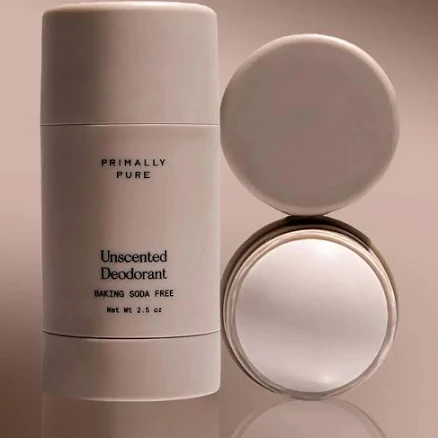
- mineral-based powder blend (arrowroot, magnesium hydroxide, mica)
- We found no PFAS statement from the brand
- Skin irritation from magnesium hydroxide alkalinity
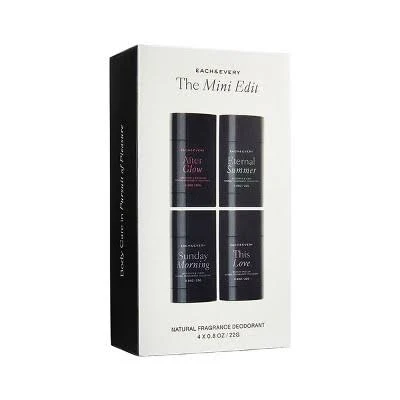
- cosmetic formulations, primary ingredients listed
- A third party reports verifying it as PFAS-free
- Fragrance allergens (natural essential oils)
2 hazards checked on this product, all on its full breakdown.
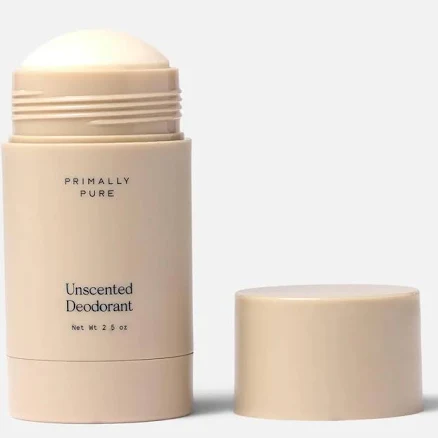
- natural mineral powders, plant-based actives, beeswax
- We found no PFAS statement from the brand
- Beeswax purity and contamination
2 hazards checked on this product, all on its full breakdown.
More deodorant grades
How we score, every product runs through the same public 0-100 rubric based on materials, coatings, brand disclosure, lab findings, and recalls. See the full methodology → Spotted a mistake? Report an error.