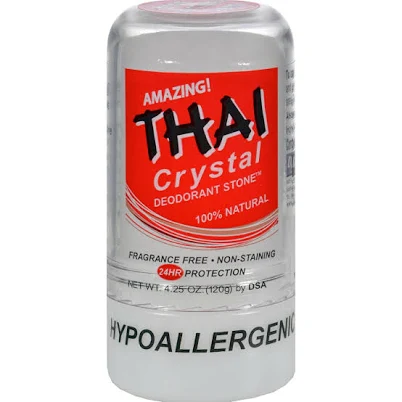
Thai Deodorant Stone · Deodorant
Thai Deodorant Stone
Lower PFAS concern; naturally derived mineral product with no known PFAS applications.
Thai Deodorant Stone is mineral salt with no intentional coatings, treatments, or water-resistance claims that would introduce PFAS. The brand discloses no PFAS information and poses minimal theoretical risk.
We flunk more products than we pass. This one earned its grade. How we grade
Material
mineral (alum-based rock/salt)
Brand disclosure
Brand is silent on PFAS
Lab data
No public lab test
You may also be interested in
Top-graded picks in the categories readers replace first, every one scored on the same rubric.

- polypropylene filter housing, carbon/sediment cartridge
- We found no PFAS statement from the brand
- Bacterial growth in spent cartridges
3 hazards checked on this product, all on its full breakdown.

Aquasure
Premier Series 75 GPD Under Sink Reverse Osmosis Water Filtration System
- RO membrane, carbon filters, stainless steel housing
- We found no PFAS statement from the brand
- Bacterial and microbial growth in housing and filters
4 hazards checked on this product, all on its full breakdown.

Avocado
Vegan Mattress
- organic cotton, natural latex, coconut coir, recycled steel coils
- The brand calls it PFAS-free, which we have not verified
- Heavy metals
2 hazards checked on this product, all on its full breakdown.
What Thai Deodorant Stone is made of, ingredients and materials
Thai deodorant stones are primarily potassium alum, a naturally occurring double sulfate mineral, combined with trace minerals. Potassium alum has been used in personal care for centuries and is recognized by regulatory bodies as acceptable at use levels in antiperspirants and deodorants. The crystal form used in this product is minimally processed compared to powder or liquid formulations, reducing manufacturing additives. When dissolved on damp skin, it creates a thin mineral layer that inhibits odor-causing bacteria without blocking sweat glands.
What’s concerning
Category baseline
The starting point for this type of product, before anything specific to this product is counted.
No PFAS disclosure
No public statement from the brand about PFAS in this product.
Aluminum absorption via skin
Potassium alum is a source of bioavailable aluminum. Absorption through intact skin is low, but the long-term systemic effects of repeated dermal alum exposure remain incompletely studied in scientific literature. Risk is generally considered minimal for typical use, but remains a consideration for frequent or whole-body application.
Skin irritation and contact dermatitis
While alum is generally well-tolerated, some users report localized irritation, stinging, or allergic contact dermatitis, particularly on sensitive or freshly shaved skin. Reactions are user-dependent and not tied to product defect; prior patch-testing is recommended.
Bacterial or mold growth on stone
If stored in damp conditions or shared among users, the porous mineral surface can harbor bacteria or fungal growth. Proper drying and individual-use storage mitigate this risk effectively.
Fragrance allergens (if scented variant)
Crystal produces both unscented and scented versions. Scented variants may contain synthetic fragrance oils that can trigger allergic contact dermatitis or sensitization in some users; the unscented stone avoids this entirely.
What’s reassuring
Base material not linked to PFAS
The main material recorded for this product is not one associated with PFAS.
Heavy metals
No published recalls or reports of lead, cadmium, or other heavy metal contamination in Crystal brand deodorant stones. As a naturally mined mineral, trace heavy metals are theoretically possible but are not documented as a safety issue for this product.
Source, FDA ↗How is this PFAS grade calculated?
The brand's record and disclosure
Crystal is a privately held brand with a long market history (1970s onward) and maintains a simple product lineup focused on mineral deodorant stones. The brand makes no formal third-party certifications (USDA organic, EWG verified, etc.) and is relatively silent on ingredient sourcing and manufacturing practices. No major recalls or safety controversies are on public record for this product line. Transparency on PFAS testing or avoidance is not publicly stated, which is typical for traditional mineral deodorant brands.
How it compares in its category
Mineral deodorant stones occupy a lower-risk position compared to conventional aerosol and roll-on deodorants, which often contain synthetic fragrance compounds, preservatives, and aluminum chlorohydrate or zirconium compounds. They also avoid the solvent and propellant exposure of spray formulations. Compared to other natural/mineral alternatives like baking soda or charcoal deodorants, alum stones are less likely to cause skin irritation in sensitive users, though individual reactions vary. The main trade-off is lower sweat suppression versus traditional antiperspirants.
If you buy it
Use on clean, damp skin by rubbing the stone directly or dissolving it in water to apply as a liquid. Storage in a dry place is important; wet conditions promote bacterial growth on the stone surface. Replace the stone if visible cracks, heavy fragmentation, or discoloration occurs, though they typically last many months. Do not use on broken or freshly shaved skin, as alum may cause stinging; patch-test first if you have sensitive skin or a history of contact dermatitis.
What is not known about PFAS in this product?
- Basis
- Model estimate, 80% confidence, not a lab result
- Lab test
- None on record for this exact product
- Brand statement
- Thai Deodorant Stone has made none
Formulations change between production runs, so check the current label. How we grade.
What are the PFAS-free alternatives to Thai Deodorant Stone?
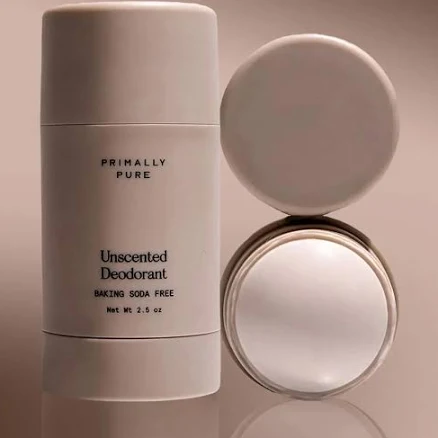
- mineral-based powder blend (arrowroot, magnesium hydroxide, mica)
- We found no PFAS statement from the brand
- Skin irritation from magnesium hydroxide alkalinity
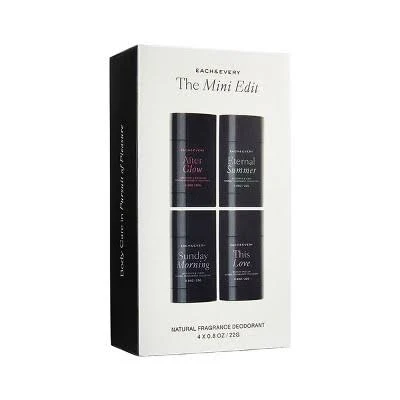
- cosmetic formulations, primary ingredients listed
- A third party reports verifying it as PFAS-free
- Fragrance allergens (natural essential oils)
2 hazards checked on this product, all on its full breakdown.
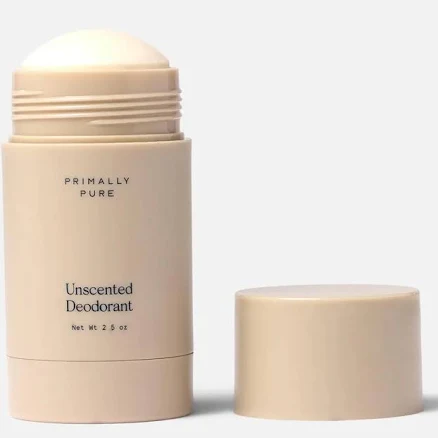
- natural mineral powders, plant-based actives, beeswax
- We found no PFAS statement from the brand
- Beeswax purity and contamination
2 hazards checked on this product, all on its full breakdown.
More deodorant grades
How we score, every product runs through the same public 0-100 rubric based on materials, coatings, brand disclosure, lab findings, and recalls. See the full methodology → Spotted a mistake? Report an error.