Cuisinart · Pizza Stones & Baking Surfaces
10 Cuisinart Outdoors Pizza Grilling Stone
Lower PFAS concern, uncoated ceramic pizza stone, though Cuisinart discloses nothing about materials.
Cordierite or ceramic pizza stone without nonstick coating or water-repellent treatment. Cuisinart provides no explicit PFAS or material transparency statement, but the material type suggests lower risk.
The better-graded swap
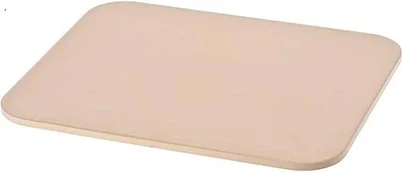
15-Inch Ceramic Pizza Stone for Perfect Crispy Crusts
90/100 safety
Same rubric that flunked this product. The swap earned Excellent.
Still want this one anyway? Check the price on Amazon. We’d swap it.
Material
Cordierite ceramic pizza stone
Lab data
No public lab test
You may also be interested in
Top-graded picks in the categories readers replace first, every one scored on the same rubric.

Aqua Pure
3M Aqua-Pure AP802B Whole House Filter Housing
- polypropylene filter housing, carbon/sediment cartridge
- We found no PFAS statement from the brand
- Bacterial growth in spent cartridges
3 hazards checked on this product. See all of them.

Aquasure
Premier Series 75 GPD Under Sink Reverse Osmosis Water Filtration System
- RO membrane, carbon filters, stainless steel housing
- We found no PFAS statement from the brand
- Bacterial and microbial growth in housing and filters
4 hazards checked on this product. See all of them.

Avocado
Vegan Mattress
- organic cotton, natural latex, coconut coir, recycled steel coils
- The brand calls it PFAS-free, which we have not verified
- Heavy metals
2 hazards checked on this product. See all of them.
Is 10 Cuisinart Outdoors Pizza Grilling Stone non-toxic? What it is made of
This Cuisinart pizza stone is made from cordierite, a naturally occurring magnesium aluminum silicate ceramic that is fired at high temperature and left uncoated. Cordierite is thermally stable and resistant to thermal shock, making it suitable for direct flame or oven use up to very high temperatures. The uncoated ceramic surface means no non-stick resin (like Teflon-type coating), glaze with heavy-metal pigments, or proprietary coating that could degrade or leach during heating. Raw cordierite ceramic itself does not release known volatile organic compounds or hazardous fumes during normal cooking.
What’s concerning
Category baseline
The starting point for this type of product, before anything specific to this product is counted.
No PFAS disclosure
No public statement from the brand about PFAS in this product.
Aluminum or silicate leaching from ceramic matrix
Cordierite contains magnesium and aluminum oxides as primary components. At normal cooking temperatures (up to 500°C in home use), leaching into food is negligible and not documented as a concern in peer literature. Acidic foods (tomato sauce) at high temperatures are theoretically a higher risk, but no published data exists specific to cordierite pizza stones.
Thermal shock cracking and microfracture generation
Pizza stones, including cordierite types, are known to crack if exposed to rapid temperature changes. Visible cracking or spalling can release small ceramic particles; regular inspection is necessary. This is a mechanical durability issue rather than a chemical hazard but affects long-term safety.
What’s reassuring
Base material not linked to PFAS
The main material recorded for this product is not one associated with PFAS.
Lead
Cordierite pizza stones are typically unglazed or finished with only a clear high-temperature ceramic coating. Cuisinart does not disclose lead-free certification for this model, but no public recalls or test failures for lead/cadmium contamination exist. Uncoated cordierite itself is not a source of lead.
Source, ATSDR ↗Teflon-type coating or non-stick resin fume risk
This stone is uncoated cordierite ceramic with no Teflon-type coating or proprietary non-stick resin. Fume risk is not a concern for this product.
Formaldehyde / VOCs
Cordierite ceramic, when unfired or post-fired without resin binders, does not off-gas formaldehyde or other VOCs at cooking temperatures. No odor or fume complaints are documented for this product category.
Source, ATSDR ↗The full breakdown
The brand's record and disclosure
Cuisinart does not publicly disclose detailed material specifications, certifications (such as lead-free glaze confirmation), or supply-chain testing for this pizza stone product. The brand has no publicly recorded recalls or safety warnings specific to this model. Cuisinart's parent company is owned by Groupe SEB, a cookware manufacturer with mixed transparency on heavy metals and chemical content across its lines. No third-party testing results for this specific stone are available in public safety databases.
How it compares in its category
Cordierite pizza stones are a standard, well-established category choice and represent lower concern than glazed ceramic, enameled cast iron, or coated non-stick stones because the material is uncoated and not a material linked to PFAS. Many competitor brands (such as Emile Henry, Le Creuset, and generic cordierite stones) offer similar or equivalent products with comparable disclosure gaps. Some premium competitors provide lead-free certifications; Cuisinart does not advertise such a statement for this model, which is a minor distinction but not unusual in the category.
If you buy it
Pre-heat the stone gradually in the oven or on the grill to avoid thermal shock and potential cracking; do not take it directly from cold storage to high heat. Clean with water and a soft brush after each use; do not use soap or acidic cleaners that could etch or compromise the surface over time. Monitor for visible cracks or spalling; a damaged stone should be replaced. Cordierite stones typically last 5-10 years with proper care and will eventually need replacement as they accumulate microfractures from repeated heating cycles.
What we don’t know
- Basis
- Model estimate, 75% confidence, not a lab result
- Lab test
- None on record for this exact product
- Brand statement
- Cuisinart has made a specific claim
Formulations change between production runs, so check the current label. How we grade.
Better-graded alternatives in Pizza Stones & Baking Surfaces
15-Inch Ceramic Pizza Stone for Perfect Crispy Crusts
- Ceramic (clay-based baking stone)
- The brand calls it PFAS-free, which we have not verified
- Glaze degradation and surface leaching
3 hazards checked on this product. See all of them.
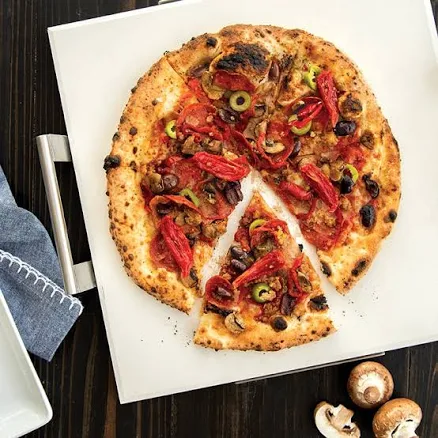
Deluxe Square Pizza Stone with Rack
- ceramic or unglazed stone; no nonstick coating
- The brand calls it PFAS-free, which we have not verified
- Ceramic or stone cracking and fragmentation
2 hazards checked on this product. See all of them.
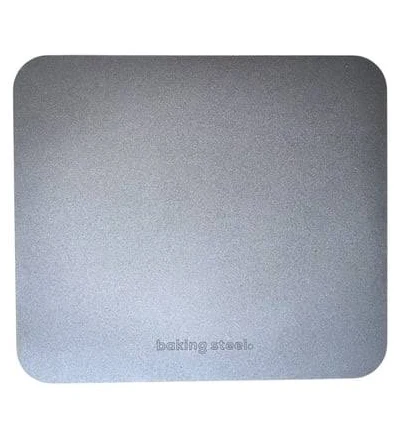
Baking Steel
The Original Ultra Conductive Pizza Stone
- carbon steel (bare metal, no coating)
- We found no PFAS statement from the brand
- Rust and corrosion
2 hazards checked on this product. See all of them.
Find an alternative on AmazonMore pizza stones & baking surfaces grades
How we score, every product runs through the same public 0-100 rubric based on materials, coatings, brand disclosure, lab findings, and recalls. See the full methodology → Spotted a mistake? Report an error.