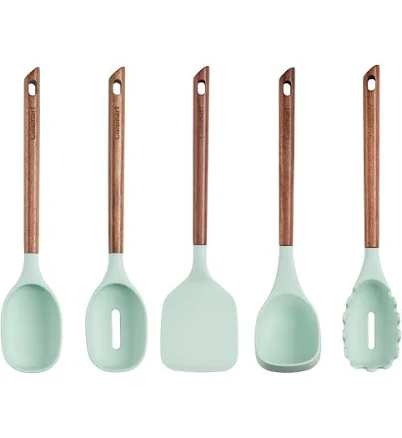
Cuisinart · Non-Stick Kitchen Gadgets
Cuisinart AcaciaFusion, Is It Non-Toxic?
Nonstick cookware with unspecified coating, PFAS risk cannot be ruled out.
Cuisinart offers no disclosure of the nonstick coating type used on AcaciaFusion cookware. Without knowing whether it contains Teflon-type coating or alternatives, PFAS presence remains unclear.
The better-graded swap
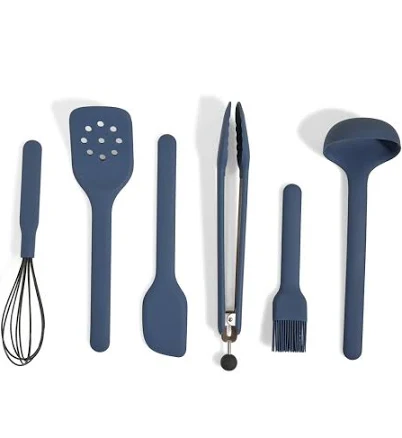
Our Place
Our Place Utensil Essentials Set
90/100 safety
Same rubric that flunked this product. The swap earned Excellent.
Still want this one anyway? Check the price on Amazon. We’d swap it.
Material
nonstick coating, type not disclosed
Lab data
No public lab test
You may also be interested in
Top-graded picks in the categories readers replace first, every one scored on the same rubric.

- polypropylene filter housing, carbon/sediment cartridge
- We found no PFAS statement from the brand
- Bacterial growth in spent cartridges
3 hazards checked on this product, all on its full breakdown.

Aquasure
Premier Series 75 GPD Under Sink Reverse Osmosis Water Filtration System
- RO membrane, carbon filters, stainless steel housing
- We found no PFAS statement from the brand
- Bacterial and microbial growth in housing and filters
4 hazards checked on this product, all on its full breakdown.

Avocado
Vegan Mattress
- organic cotton, natural latex, coconut coir, recycled steel coils
- The brand calls it PFAS-free, which we have not verified
- Heavy metals
2 hazards checked on this product, all on its full breakdown.
Is Cuisinart AcaciaFusion non-toxic? What it is made of
The AcaciaFusion features a nonstick coating whose chemical composition Cuisinart has not publicly disclosed. This opacity is the core issue, nonstick coatings are traditionally Teflon-type coating-based (Teflon-like), but some manufacturers have switched to Teflon-type coating-free alternatives or ceramic-hybrid systems without always announcing it clearly. Without confirmation, the most cautious assumption is that the coating may contain legacy Teflon-family coating, which carry thermal decomposition risk at elevated temperatures.
What’s concerning
Category baseline
The starting point for this type of product, before anything specific to this product is counted.
No PFAS disclosure
No public statement from the brand about PFAS in this product.
Non-stick, chemistry undisclosed
Marketed as non-stick without stating the coating chemistry.
Teflon-type coating fume risk (thermal decomposition)
Nonstick coatings of unspecified type may release irritant fumes (especially polymer fume fever in birds or vulnerable humans) if overheated above 500F. Without coating-type confirmation, this risk cannot be ruled out and is inherent to typical Teflon-family coating nonstick cookware.
Coating degradation and microparticle release
Worn or scratched nonstick surfaces can shed microscopic coating particles into food over time. This is well-documented across all nonstick cookware classes and becomes more likely as coatings age or are scratched by metal utensils or aggressive cleaning.
Aluminum substrate leaching
If the AcaciaFusion's base is aluminum (typical for Cuisinart nonstick lines), any breaches in the nonstick layer expose aluminum to acidic foods. While aluminum leaching is generally minor in intact cookware, degraded coatings increase this possibility, particularly with tomato-based or vinegar-heavy dishes.
Lack of transparency on coating material
Cuisinart's silence on whether this line contains Teflon-type coating, ceramic, or alternative nonstick chemistry is itself a known issue across the brand's cookware portfolio. This hampers independent safety assessment and suggests outdated disclosure practices relative to PFAS-aware competitors.
What’s reassuring
Lead
No recalls or test data specific to the AcaciaFusion for heavy metals in handles or metal components have been publicly documented. Cuisinart cookware typically meets US FDA limits for lead in glazes and finishes, but product-specific testing is not available.
Source, ATSDR ↗How is this PFAS grade calculated?
The brand's record and disclosure
Cuisinart has not published specific statements about PFAS content or coating formulation for this line. The brand has not sought third-party certifications (such as Greenguard or GOTS equivalents) for cookware, and transparency on nonstick material transitions remains limited across their product range. This silence is not unusual for mid-market cookware brands but leaves buyers without direct reassurance about coating safety.
How it compares in its category
Nonstick cookware with undisclosed coatings is common in Cuisinart's price tier and broadly typical of mass-market offerings. Some competitors (e.g., GreenPan, Our Place) now explicitly market Teflon-type coating-free or ceramic-based nonstick, while legacy brands like T-fal and Calphalon have been slower to publicize coating changes. The AcaciaFusion's lack of differentiation on this front suggests it may still rely on conventional Teflon-family coating chemistry.
If you buy it
Never exceed medium-high heat; nonstick coatings degrade and emit fumes at 500F and above. Avoid preheating empty cookware or leaving it unattended on heat. Replace the pan if coating visibly chips or peels (typically after 3-5 years of regular use). Use wooden or silicone utensils only, and clean gently; aggressive scrubbing accelerates coating breakdown. Ensure good kitchen ventilation during cooking, especially if the coating is older and degraded.
What is not known about PFAS in this product?
- Basis
- Model estimate, 35% confidence, not a lab result
- Lab test
- None on record for this exact product
- Brand statement
- Cuisinart has made a specific claim
Formulations change between production runs, so check the current label. How we grade.
What are the PFAS-free alternatives to Cuisinart AcaciaFusion?
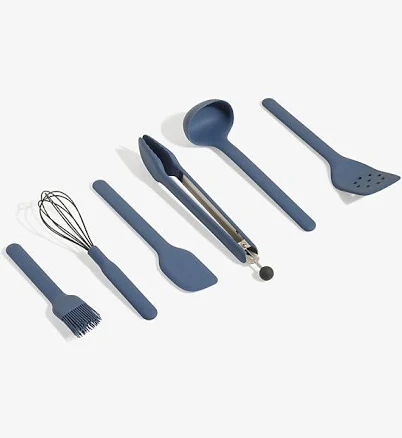
- Silicone utensils, no coating
- The brand calls it PFAS-free, which we have not verified
- Microplastic generation
2 hazards checked on this product, all on its full breakdown.

- Stainless steel utensils
- The brand calls it PFAS-free, which we have not verified
- Nickel leaching from stainless steel
2 hazards checked on this product, all on its full breakdown.
- Stainless steel utensils, material unclear
- The brand calls it PFAS-free, which we have not verified
- Handle material degradation (if present)
2 hazards checked on this product, all on its full breakdown.
More non-stick kitchen gadgets grades
How we score, every product runs through the same public 0-100 rubric based on materials, coatings, brand disclosure, lab findings, and recalls. See the full methodology → Spotted a mistake? Report an error.