
Cuisinart · Pizza Stones & Baking Surfaces
Cuisinart Alfrescamore Ceramic Glazed Pizza Grilling Stone
Lower PFAS concern; ceramic pizza stone has no inherent nonstick coating requiring Teflon-family coating.
Ceramic-glazed stone with uncoated ceramic base, materials with no known need for PFAS-based coatings. Cuisinart makes no PFAS claims and public documentation doesn't disclose coating chemicals.
The better-graded swap
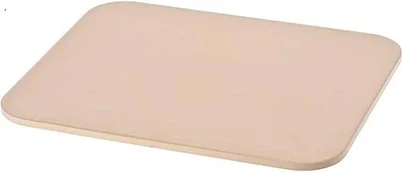
15-Inch Ceramic Pizza Stone for Perfect Crispy Crusts
90/100 safety
Same rubric that flunked this product. The swap earned Excellent.
Still want this one anyway? Check the price on Amazon. We’d swap it.
Material
ceramic-glazed stone (uncoated/ceramic base)
Lab data
No public lab test
You may also be interested in
Top-graded picks in the categories readers replace first, every one scored on the same rubric.

Aqua Pure
3M Aqua-Pure AP802B Whole House Filter Housing
- polypropylene filter housing, carbon/sediment cartridge
- We found no PFAS statement from the brand
- Bacterial growth in spent cartridges
3 hazards checked on this product. See all of them.

Aquasure
Premier Series 75 GPD Under Sink Reverse Osmosis Water Filtration System
- RO membrane, carbon filters, stainless steel housing
- We found no PFAS statement from the brand
- Bacterial and microbial growth in housing and filters
4 hazards checked on this product. See all of them.

Avocado
Vegan Mattress
- organic cotton, natural latex, coconut coir, recycled steel coils
- The brand calls it PFAS-free, which we have not verified
- Heavy metals
2 hazards checked on this product. See all of them.
Is Cuisinart Alfrescamore Ceramic Glazed non-toxic? What it is made of
This product is a ceramic-glazed stone, meaning a porous ceramic base topped with a decorative glaze layer. The glaze is the functional safety concern because traditional ceramic glazes can contain lead or cadmium as flux agents to lower firing temperature and improve finish. Ceramics from established manufacturers like Cuisinart typically meet FDA limits, but the glaze remains the highest-risk component. The underlying stone itself is inert when intact but prone to thermal shock cracking if temperature changes rapidly.
What’s concerning
Category baseline
The starting point for this type of product, before anything specific to this product is counted.
No PFAS disclosure
No public statement from the brand about PFAS in this product.
Lead
Ceramic glazes can contain lead or cadmium as flux agents. Cuisinart does not publicly disclose third-party glaze testing for this product. FDA sets limits on leaching, but unglazed alternatives eliminate this hazard entirely. Risk is highest if glaze is damaged or if the stone is used with acidic foods that increase leaching.
Source, ATSDR ↗Thermal shock and glaze fracture
Ceramic pizza stones are prone to cracking under rapid temperature changes, which can release glaze fragments into food. This is a known mechanical failure mode for the product category, not specific contamination but a physical safety issue. Proper curing and gradual heating minimize risk.
Durability of glaze coating over time
Glazed ceramics degrade with repeated thermal cycling and abrasion from cleaning. As glaze wears, underlying ceramic is exposed and may leach more readily at high temperature. No specific degradation timeline for this brand is on record, but users should inspect annually for visible damage.
What’s reassuring
Base material not linked to PFAS
The main material recorded for this product is not one associated with PFAS.
BPA & bisphenols
Not a hazard for the ceramic stone itself, but pizza stones are sometimes shipped in plastic bags. If this concerns you, inspect the product upon arrival and discard packaging responsibly.
Source, FDA ↗The full breakdown
The brand's record and disclosure
Cuisinart does not publish detailed safety certifications or material disclosures for this specific product on their website. The brand has no known major recalls for lead/cadmium in cookware as of public record, but does not voluntarily disclose third-party testing results for ceramic glazes. Cuisinart is a mainstream consumer brand with general FDA compliance; however, the absence of affirmative safety communication limits confidence in glaze sourcing oversight.
How it compares in its category
Most ceramic pizza stones share similar glaze-related concerns; unglazed cordierite or terracotta alternatives avoid the glaze hazard entirely but are less durable and harder to clean. Glazed ceramic stones like this one offer better appearance and ease of cleaning but introduce glaze chemistry as a variable. Compared to metal or silicon surfaces, ceramics avoid Teflon-type coating and coating degradation risks but cannot match thermal conductivity. This product sits in the moderate-safety middle of the category.
If you buy it
Cure the stone gradually before first use by heating slowly in a cold oven to avoid thermal shock cracking, which can release glaze fragments. Do not expose it to rapid temperature swings (e.g., removing from oven and placing on wet surfaces). Replace immediately if glaze is visibly chipped, cracked, or peeling, as exposed ceramic may leach contaminants at high heat. Clean with warm soapy water only; avoid harsh scouring that damages the glaze surface.
What we don’t know
- Basis
- Model estimate, 78% confidence, not a lab result
- Lab test
- None on record for this exact product
- Brand statement
- Cuisinart has made a specific claim
Formulations change between production runs, so check the current label. How we grade.
Better-graded alternatives in Pizza Stones & Baking Surfaces
15-Inch Ceramic Pizza Stone for Perfect Crispy Crusts
- Ceramic (clay-based baking stone)
- The brand calls it PFAS-free, which we have not verified
- Glaze degradation and surface leaching
3 hazards checked on this product. See all of them.
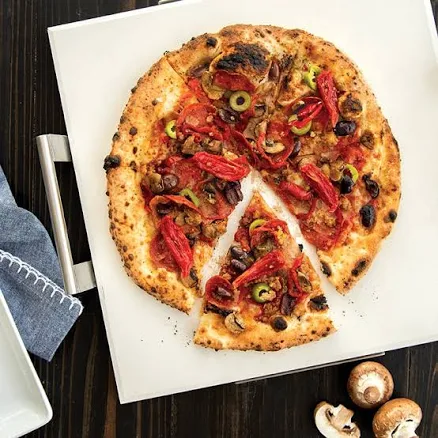
Deluxe Square Pizza Stone with Rack
- ceramic or unglazed stone; no nonstick coating
- The brand calls it PFAS-free, which we have not verified
- Ceramic or stone cracking and fragmentation
2 hazards checked on this product. See all of them.
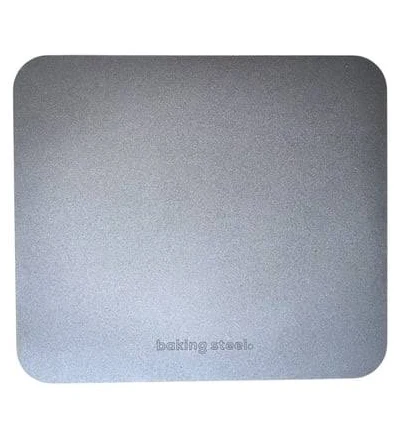
Baking Steel
The Original Ultra Conductive Pizza Stone
- carbon steel (bare metal, no coating)
- We found no PFAS statement from the brand
- Rust and corrosion
2 hazards checked on this product. See all of them.
Find an alternative on AmazonMore pizza stones & baking surfaces grades
How we score, every product runs through the same public 0-100 rubric based on materials, coatings, brand disclosure, lab findings, and recalls. See the full methodology → Spotted a mistake? Report an error.