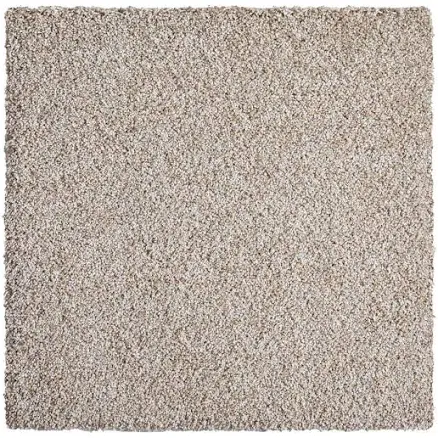
TrafficMaster · Carpets & Rugs
TrafficMaster Willow Kirkdale Beige Residential 18 x 18 in. Peel and Stick Carpet Tile Square
Skip until PFAS status disclosed; stain resistance suggests possible treatment.
Peel-and-stick carpet tiles often use PFAS-based stain treatments, but Daltile provides no public disclosure. Low confidence due to lack of transparency on adhesive and fiber coatings.
The better-graded swap
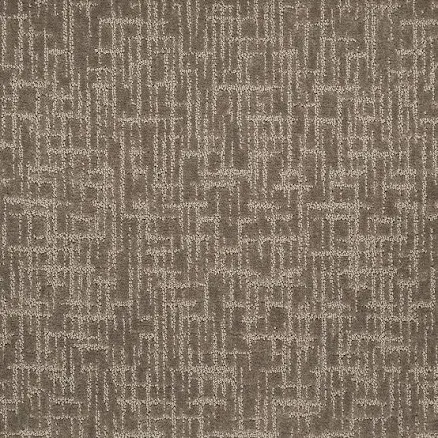
Style Selections
Style Selections 8-in x 8-in Ageless Accent 25-oz sq yard Polyester Indoor Carpet SS031-12-L008
75/100 safety
Same rubric that flunked this product. The swap earned Excellent.
Still want this one anyway? Check the price on Amazon. We’d swap it.
Material
Synthetic carpet tile with adhesive backing
Brand disclosure
Brand is silent on PFAS
Lab data
No public lab test
You may also be interested in
Top-graded picks in the categories readers replace first, every one scored on the same rubric.

- polypropylene filter housing, carbon/sediment cartridge
- We found no PFAS statement from the brand
- Bacterial growth in spent cartridges
3 hazards checked on this product, all on its full breakdown.

Aquasure
Premier Series 75 GPD Under Sink Reverse Osmosis Water Filtration System
- RO membrane, carbon filters, stainless steel housing
- We found no PFAS statement from the brand
- Bacterial and microbial growth in housing and filters
4 hazards checked on this product, all on its full breakdown.

Avocado
Vegan Mattress
- organic cotton, natural latex, coconut coir, recycled steel coils
- The brand calls it PFAS-free, which we have not verified
- Heavy metals
2 hazards checked on this product, all on its full breakdown.
What TrafficMaster Willow Kirkdale Tile Square is made of, ingredients and materials
TrafficMaster Willow Kirkdale is a synthetic carpet tile (likely polyester or polypropylene fibers) with pressure-sensitive adhesive backing. The peel-and-stick design means the adhesive is applied at the factory and remains in direct contact with indoor air and flooring. Synthetic fibers and adhesives are common sources of volatile organic compounds (VOCs) and may contain flame retardant chemicals, which off-gas over weeks to months after installation.
What’s concerning
Category baseline
The starting point for this type of product, before anything specific to this product is counted.
No PFAS disclosure
No public statement from the brand about PFAS in this product.
Flame retardants
Synthetic carpet tiles in residential use are often treated with flame retardants to meet flammability codes. These chemicals can off-gas over weeks and are not disclosed on product labels. Long-term inhalation exposure is a concern in enclosed spaces.
Source, EPA ↗Volatile organic compounds (VOCs) from adhesive and fibers
Peel-and-stick carpet tiles commonly emit formaldehyde and other VOCs during and after installation. No independent testing of this specific SKU is publicly available, but the category is well-documented to off-gas. Third-party certification (absent here) would mitigate this concern.
Adhesive degradation and leachables over time
Pressure-sensitive adhesives in peel-and-stick tiles can break down under moisture, temperature fluctuation, or foot traffic, potentially releasing monomers and plasticizers. This risk is higher in kitchens, bathrooms, or high-humidity areas.
Formaldehyde / VOCs
Synthetic carpet backing and fiber treatments sometimes use formaldehyde-based resins for durability. Daltile does not disclose this for this product, so assumption is based on typical carpet tile construction. Off-gassing is most intense in the first 2-4 weeks.
Source, ATSDR ↗PFAS
The product name and Daltile's silence on treatment chemistry suggest possible PFAS use for stain resistance. No independent analysis of this SKU exists in public records. This concern is flagged separately as a PFAS risk per the brief.
Source, ATSDR ↗What’s reassuring
Base material not linked to PFAS
The main material recorded for this product is not one associated with PFAS.
How is this PFAS grade calculated?
The brand's record and disclosure
Daltile, owned by Mohawk Industries, is a major flooring manufacturer but does not publicly disclose PFAS use or avoidance in product lines. The brand's silence on stain resistance mechanisms in carpet tiles is notable, as water and stain resistance in textiles often involves PFAS-based treatments. Daltile has faced no major product safety recalls specific to peel-and-stick tiles, but the company has not voluntarily published third-party certifications (e.g., FloorScore, Green Label Plus) for this particular product line.
How it compares in its category
Peel-and-stick carpet tiles are generally higher-risk than traditional glue-down or click-lock carpet because the adhesive remains exposed and volatile for longer. Similar products from Shaw, Mohawk, and generic brands carry comparable VOC and flame retardant concerns. Alternatives such as wool-based tiles or certified low-VOC vinyl planks typically have better disclosure and third-party vetting, though they cost more.
If you buy it
Ventilate heavily for 48-72 hours after installation to reduce VOC inhalation. Avoid installing in nurseries, bedrooms, or spaces where infants or young children spend extended time. Replace tiles if the adhesive backing degrades, peels, or emits strong chemical odors after the initial off-gassing period. Do not install over radiant heat or in rooms with sustained temperatures above 75-80°F, as heat can accelerate adhesive breakdown and chemical release.
What is not known about PFAS in this product?
- Basis
- Model estimate, 35% confidence, not a lab result
- Lab test
- None on record for this exact product
- Brand statement
- TrafficMaster has made none
Formulations change between production runs, so check the current label. How we grade.
More carpets & rugs grades
How we score, every product runs through the same public 0-100 rubric based on materials, coatings, brand disclosure, lab findings, and recalls. See the full methodology → Spotted a mistake? Report an error.