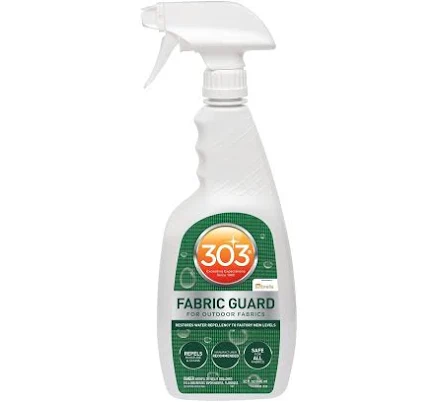
303 Products · Fabric Stain Guard Sprays
303 Fabric Guard Water Repellent Spray
Don't buy. Water repellent sprays commonly contain PFAS with vague formulas.
303 Fabric Guard is a water and stain repellent spray with secret active ingredients. No PFAS claims or testing exist; textiles treated for water repellency often use PFAS-based chemistry.
Still want this one anyway? Check the price on Amazon. We’d swap it.
Material
water repellent spray coating, active chemistry undisclosed
Brand disclosure
Brand is silent on PFAS
Lab data
No public lab test
What 303 Fabric Guard Water Repellent Spray is made of, ingredients and materials
303 Fabric Guard is a spray-applied water repellent coating designed to bead moisture off upholstery, carpets, and textiles. The active chemistry is not disclosed on the label or brand website, which is a red flag for this product category. Water repellent sprays typically rely on fluorinated compounds (PFAS) or silicone-based chemistries to achieve hydrophobic properties; without transparent ingredient listing, the specific mechanism here cannot be verified. This opacity prevents informed assessment of volatility, off-gassing behavior, or potential skin/respiratory exposure during application.
What’s concerning
Category baseline
The starting point for this type of product, before anything specific to this product is counted.
Vague safety claims only
Uses vague language ("eco-friendly", "clean") without a specific PFAS statement.
Waterproof / stain-resistant treatment
Water-repellent coating treatments have historically used PFAS.
Volatile organic compounds (VOCs) and off-gassing
Spray-applied coatings inherently release solvents during and after application. Without ingredient disclosure, the volatility profile and indoor air quality impact of this product cannot be assessed; users may experience odor, headache, or respiratory irritation.
Respiratory exposure during application
Spraying creates an aerosol that may be inhaled. The undisclosed formula means the toxicity of particles/vapors cannot be evaluated. Users with asthma, chemical sensitivity, or respiratory conditions face undefined risk.
Skin and eye contact during handling
The label provides minimal guidance on contact hazards. Without ingredient transparency, dermatologic or ocular irritancy cannot be predicted. Misuse or accidental splash poses unquantifiable risk.
PFAS
If the active chemistry is fluorinated (common for water repellents), the coating may persist in the home environment and household dust; PFAS compounds do not degrade and accumulate in human tissue over time. This risk is probable but unconfirmed without formula disclosure.
Source, ATSDR ↗Coating degradation and reapplication burden
Fabric coatings degrade with washing, sunlight, and wear. Frequent reapplication increases cumulative exposure to undisclosed chemicals and ambient release; no data on lifetime exposure limits is available for this formulation.
The full breakdown
The brand's record and disclosure
DAMP Rid (the parent brand) is known for moisture-control products but has not published detailed safety data sheets, ingredient breakdowns, or PFAS certifications for the 303 line. The brand does not claim PFAS-free status or third-party safety verification for this spray. No recalls or major controversies are on public record, but the silence on chemical composition is itself a transparency failure, particularly for a consumer-applied coating product.
How it compares in its category
Water repellent fabric sprays span a wide spectrum of transparency. Many mainstream competitors (e.g., Scotchgard by 3M) have moved toward disclosed formulas and PFAS-free marketing, though some still contain PFAS. The 303 Fabric Guard's refusal to disclose active ingredients puts it below category norms for consumer transparency and leaves buyers unable to compare relative safety. Silicone-based or wax-based alternatives with full ingredient lists exist and pose lower uncertainty.
If you buy it
Apply in a well-ventilated space or outdoors to minimize inhalation exposure during spraying. Avoid spraying near food, children, or pets. Allow treated fabrics to dry fully (typically 2-4 hours) before contact. Do not heat-treat (steam, hot washing) immediately after application, as this may accelerate off-gassing or coating breakdown. Reapply every 6-12 months depending on use and laundering frequency. If respiratory irritation or skin reactions occur, discontinue use immediately.
What we don’t know
- Basis
- Model estimate, 35% confidence, not a lab result
- Lab test
- None on record for this exact product
- Brand statement
- 303 Products has made none
Formulations change between production runs, so check the current label. How we grade.
Better-graded alternatives in Fabric Stain Guard Sprays
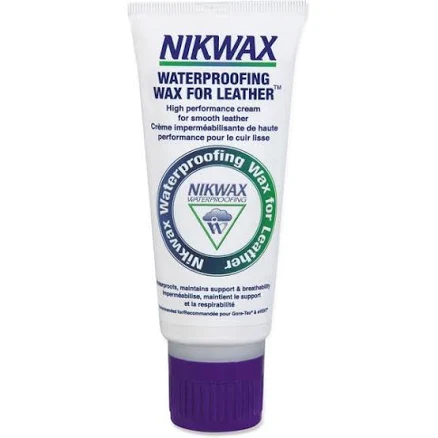
Nikwax
Waterproofing Wax for Leather
- wax-based waterproofing
- The brand calls it PFAS-free, which we have not verified
- Respiratory irritation or fume inhalation during application
2 hazards checked on this product. See all of them.
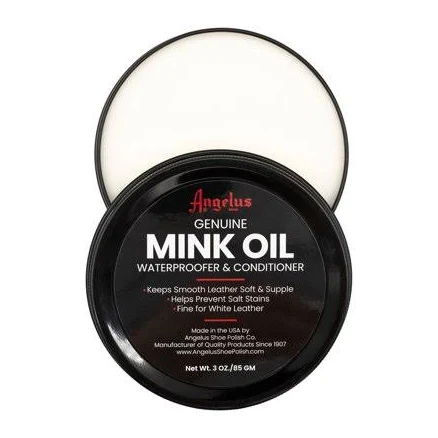
Angelus
Mink Oil Paste Leather Waterproofer and Contitioner 3 oz
- mink oil paste, natural oil-based conditioner
- We found no PFAS statement from the brand
- Microbial growth (natural oil rancidity)
2 hazards checked on this product. See all of them.
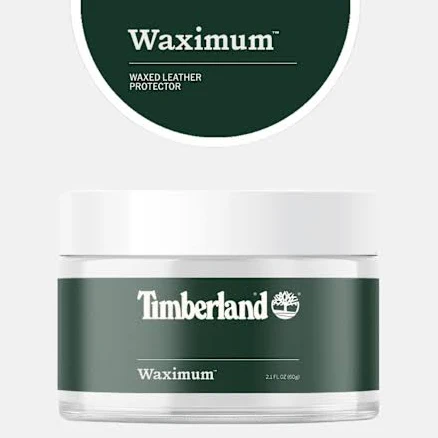
Timberland
Waximum Waxed Leather Protector
- Wax-based leather protector
- We found no PFAS statement from the brand
- Volatile organic compounds (VOCs) from solvents
3 hazards checked on this product. See all of them.
More fabric stain guard sprays grades
How we score, every product runs through the same public 0-100 rubric based on materials, coatings, brand disclosure, lab findings, and recalls. See the full methodology → Spotted a mistake? Report an error.