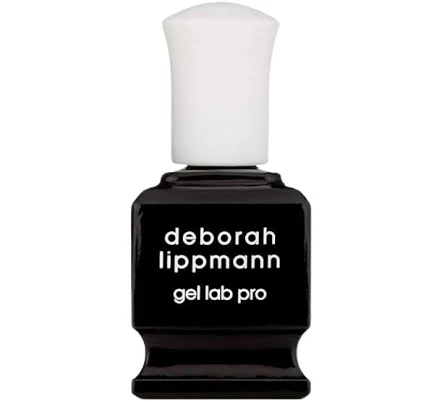
Deborah Lippmann · Nail Polish & Top Coat
Deborah Lippmann Gel Lab Pro Duo
Moderate PFAS risk for gel polish; skip if you need PFAS assurance.
Deborah Lippmann provides no public PFAS disclosure or avoidance claims for this gel polish. Gel products aren't inherently high-PFAS like waterproof makeup, but verification is absent.
We flunk more products than we pass. This one earned its grade. How we grade
Material
gel polish, resins, pigments, solvents
Brand disclosure
Brand is silent on PFAS
Lab data
No public lab test
Is Deborah Lippmann Gel Lab Pro Duo non-toxic? What it is made of
Gel Lab Pro Duo is a gel polish system combining oligomers, acrylate resins, organic pigments, and volatile organic solvents (typically ethyl acetate, butyl acetate, or isopropanol). The 'duo' format suggests a base and color layer designed for UV or LED curing. Gel formulas cure through photopolymerization rather than air drying, which reduces solvent exposure during application but requires UV/LED exposure and acetone-based removal, both of which carry minor health considerations with regular use.
What’s concerning
Category baseline
The starting point for this type of product, before anything specific to this product is counted.
No PFAS disclosure
No public statement from the brand about PFAS in this product.
Volatile organic solvents (ethyl acetate, butyl acetate, isopropanol)
Standard in gel formulas. Inhalation during application and curing can cause dizziness, headache, or respiratory irritation in poorly ventilated spaces. No specific exposure data on Deborah Lippmann Gel Lab Pro Duo, but category-typical risk.
Acrylate monomers (uncrosslinked residue)
Gel polishes may contain trace uncrosslinked acrylates that can leach during wear or removal. Allergic contact dermatitis is rare but documented in regular users. No product-specific testing available; risk depends on curing completeness and individual sensitivity.
Acetone-based removal solvent exposure
Required removal method for gel polish inevitably involves acetone contact with skin and cuticles. Repeated acetone exposure can cause dry, brittle nails and dermatitis. This is inherent to gel polish systems, not brand-specific, but frequency and duration of use increase risk.
UV/LED lamp exposure during curing
Repeated UV-A or LED exposure to hands increases cumulative skin cancer and photoaging risk. Risk is modest for occasional users but significant for weekly applications over years. Deborah Lippmann Gel Lab Pro Duo does not include UV-protective guidance in standard marketing materials.
What’s reassuring
Base material not linked to PFAS
The main material recorded for this product is not one associated with PFAS.
Organic pigment safety (specific colorants unknown)
Deborah Lippmann does not publicly disclose specific pigment names (e.g., CI numbers, synthetic organics). Most gel pigments are regulated cosmetic colorants, but without ingredient transparency, potential heavy metal contaminants or allergens cannot be ruled out for this brand.
The full breakdown
The brand's record and disclosure
Deborah Lippmann is a luxury nail brand with no publicly documented third-party certifications (e.g., non-toxic, phthalate-free, formaldehyde-free labeling), nor evidence of independent ingredient transparency reports. The brand does not prominently disclose solvent or pigment sourcing. No major recalls or regulatory actions are on public record for this specific product line. The silence on PFAS and other chemical profiles is consistent with the broader prestige cosmetics market, where ingredient disclosure remains voluntary.
How it compares in its category
Gel polishes occupy a middle ground in safety compared to conventional lacquers (which shed formaldehyde and toluene during air-dry) and water-based alternatives (which cure poorly). Deborah Lippmann's positioning in the premium segment does not correlate with enhanced safety transparency. Brands like Ella+Mila and Zoya explicitly market non-toxic or cleaner formulations; Deborah Lippmann does not. For a professional-grade gel system at this price point, the hazard profile is typical, neither distinguished nor concerning.
If you buy it
Apply in well-ventilated spaces (open window or salon ventilation) to minimize inhalation of acrylate monomers and solvents during curing. Use LED or UV lamps according to manufacturer specs; overexposure to UV lamps carries cumulative skin risk. Remove only with acetone-based removers, not harsh scraping, to avoid nail damage; limit removal frequency to every 2-3 weeks. Wear nitrile gloves during removal to minimize acetone skin contact, and moisturize nails and cuticles after each removal cycle.
What we don’t know
- Basis
- Model estimate, 45% confidence, not a lab result
- Lab test
- None on record for this exact product
- Brand statement
- Deborah Lippmann has made none
Formulations change between production runs, so check the current label. How we grade.
Better-graded alternatives in Nail Polish & Top Coat
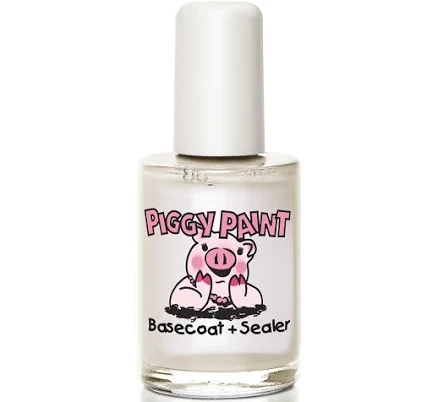
Piggy Paint
Basecoat & Sealer Nail Polish
- Water-based organic pigments and plant-derived resins
- The brand calls it PFAS-free, which we have not verified
- Heavy metals
3 hazards checked on this product. See all of them.
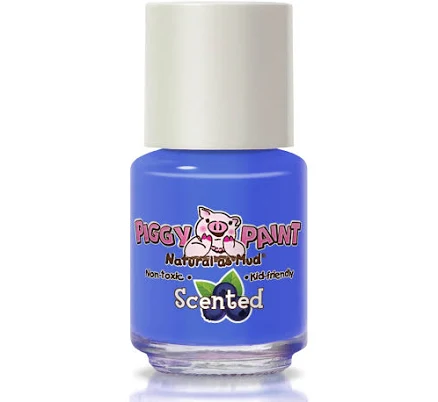
Piggy Paint
Nail Polish Piggy Paint
- water-based pigmented lacquer
- The brand calls it PFAS-free, which we have not verified
- Volatile organic compounds (VOCs) from resins and solvents
3 hazards checked on this product. See all of them.
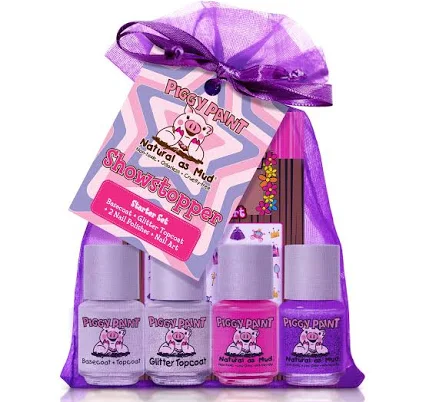
Piggy Paint
Showstopper Nail Polish Set
- organic pigments, plant-based resins, water-based lacquer
- The brand calls it PFAS-free, which we have not verified
- Volatile organic compounds (VOCs)
2 hazards checked on this product. See all of them.
More nail polish & top coat grades
How we score, every product runs through the same public 0-100 rubric based on materials, coatings, brand disclosure, lab findings, and recalls. See the full methodology → Spotted a mistake? Report an error.