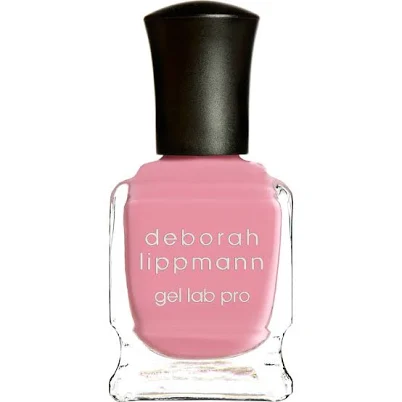
Deborah Lippmann · Nail Polish & Top Coat
DEBORAH LIPPMANN Gel Lab Pro Nail
Lower PFAS concern for gel nail polish, but brand discloses nothing.
This gel nail polish contains no known PFAS-triggering ingredients like waterproofing or stain-resist coatings. The brand makes no PFAS claims or disclosures.
We flunk more products than we pass. This one earned its grade. How we grade
Material
gel polish (acrylates, oligomers, resins)
Brand disclosure
Brand is silent on PFAS
Lab data
No public lab test
Is DEBORAH LIPPMANN Gel Lab Pro Nail non-toxic? What it is made of
Deborah Lippmann Gel Lab Pro is a UV-cured gel polish composed primarily of acrylate oligomers, methacrylates, and photoinitiators that harden under UV light. Unlike traditional nail polish, gel formulas do not contain volatile organic solvents like toluene, xylene, or dibutyl phthalate (DBP) at the levels found in conventional polish, reducing inhalation risk during application. The curing mechanism means uncrosslinked monomers can remain in the cured film, though migration into skin or food is limited by the protective nail plate and topcoat. Removal typically involves acetone soaking, which carries its own exposure profile separate from the polish itself.
What’s concerning
Category baseline
The starting point for this type of product, before anything specific to this product is counted.
No PFAS disclosure
No public statement from the brand about PFAS in this product.
Unreacted acrylate monomers in cured film
Gel polishes may retain trace unpolymerized acrylates; while skin contact is minimal due to the nail barrier, chronic inhalation during application in poorly ventilated settings could present cumulative exposure. No brand-specific migration or residual monomer testing is publicly available for Gel Lab Pro.
Photoinitiators (e.g., benzoyl peroxide or similar UV activators)
UV-curing gels contain photoinitiators; exposure during curing is typically low, but inhalation in unventilated spaces or direct skin contact before curing can cause irritation. Specific initiator identity for this product is not disclosed.
Contact dermatitis or sensitization from acrylate exposure
Acrylate-based systems are known contact allergens in occupational and clinical literature; professional nail technicians show higher sensitization rates. Individual risk is low for end-users with brief, infrequent exposure and proper ventilation, but prior acrylate sensitivity is a contraindication.
Acetone exposure during removal
Removal requires pure acetone soaking, which carries CNS depression and skin irritation risks with repeated or prolonged use. This hazard is inherent to gel polish category, not specific to this brand, but should inform removal frequency and ventilation.
What’s reassuring
Base material not linked to PFAS
The main material recorded for this product is not one associated with PFAS.
Heavy metals
No recalls or reports of lead, cadmium, or other heavy metal contamination in Deborah Lippmann gel polish exist in public databases. Premium brand status and lack of disclosed issues suggest standard supplier vetting, but independent testing of this product has not been published.
Source, FDA ↗The full breakdown
The brand's record and disclosure
Deborah Lippmann does not publicly disclose ingredient lists, third-party testing, or specific safety certifications for Gel Lab Pro on widely accessible channels, which is standard practice across the prestige nail polish industry. No recalls, reformulations, or established safety controversies specific to this brand's gel line are on public record. The brand markets toward professional and consumer users but has not adopted transparency standards comparable to indie or clean-focused competitors (e.g., listing banned substances or heavy metal testing). This silence does not indicate a problem, only that independent verification of specific hazard claims is not available.
How it compares in its category
Deborah Lippmann sits in the premium professional segment; Gel Lab Pro is formulated similarly to other high-end gel polishes (OPI, Shellac, Gelish) with standard acrylate chemistry and no documented unique hazards. Like peers, it avoids legacy problem chemicals (DBP, toluene, xylene), but does not differentiate on reformulation toward lower-hazard monomers. Brand-specific ingredient innovation or third-party safety claims are absent from marketing or publicly available data, placing it squarely in the middle of the category for transparency and hazard profile.
If you buy it
Ensure UV curing is performed in a well-ventilated space or with a fume extractor to minimize photoinitiator and volatile monomer inhalation during application. Remove with pure acetone or acetone-soaked wraps rather than prolonged soaking in water or non-acetone removers, which can cause nail hydration and swelling. Replace or reapply every 2-3 weeks as recommended; degraded gel can crack and allow bacteria to colonize the nail bed. If you have sensitive skin or a history of contact dermatitis, perform a patch test on cuticle area 24 hours before first use.
What we don’t know
- Basis
- Model estimate, 68% confidence, not a lab result
- Lab test
- None on record for this exact product
- Brand statement
- Deborah Lippmann has made none
Formulations change between production runs, so check the current label. How we grade.
Better-graded alternatives in Nail Polish & Top Coat
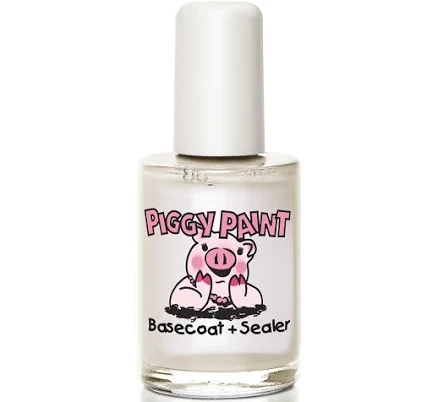
Piggy Paint
Basecoat & Sealer Nail Polish
- Water-based organic pigments and plant-derived resins
- The brand calls it PFAS-free, which we have not verified
- Heavy metals
3 hazards checked on this product. See all of them.
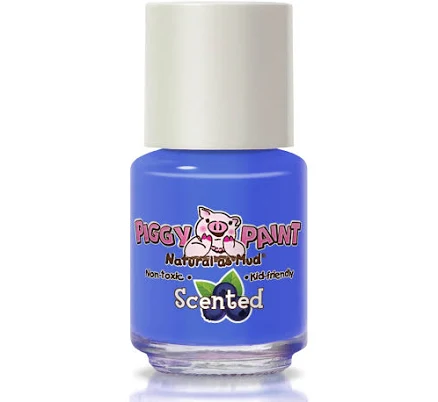
Piggy Paint
Nail Polish Piggy Paint
- water-based pigmented lacquer
- The brand calls it PFAS-free, which we have not verified
- Volatile organic compounds (VOCs) from resins and solvents
3 hazards checked on this product. See all of them.
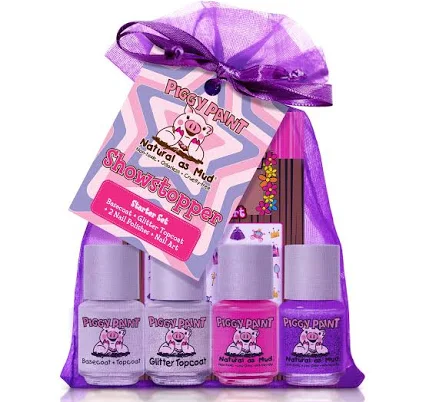
Piggy Paint
Showstopper Nail Polish Set
- organic pigments, plant-based resins, water-based lacquer
- The brand calls it PFAS-free, which we have not verified
- Volatile organic compounds (VOCs)
2 hazards checked on this product. See all of them.
More nail polish & top coat grades
How we score, every product runs through the same public 0-100 rubric based on materials, coatings, brand disclosure, lab findings, and recalls. See the full methodology → Spotted a mistake? Report an error.