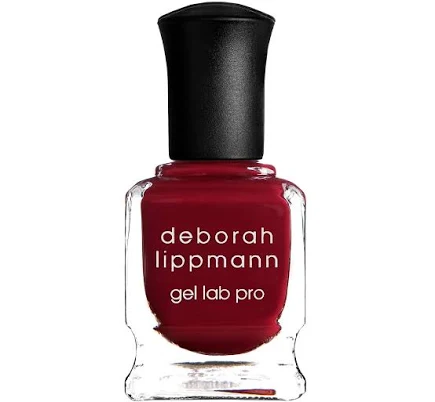
Deborah Lippmann · Nail Polish & Top Coat
Deborah Lippmann Nail
Low-medium concern typical of conventional nail lacquers; no transparency given.
This cosmetic lacquer lacks properties requiring water repellency or non-stick performance, making PFAS unlikely. The brand offers no PFAS claims or third-party certification.
We flunk more products than we pass. This one earned its grade. How we grade
Material
nail lacquer/polish (film-forming resins, solvents, pigments)
Brand disclosure
Brand is silent on PFAS
Lab data
No public lab test
Is Deborah Lippmann Nail non-toxic? What it is made of
Deborah Lippmann nail lacquer is a film-forming system based on nitrocellulose resin, plasticizers (typically dibutyl phthalate or alternatives), and volatile organic solvents (toluene, xylene, camphor) that evaporate during drying. The pigments and additives create color and durability. Exposure risk is primarily inhalation of solvent vapors during application and the brief drying window, not dermal absorption through the dried film on nails.
What’s concerning
Category baseline
The starting point for this type of product, before anything specific to this product is counted.
No PFAS disclosure
No public statement from the brand about PFAS in this product.
Volatile Organic Compounds (VOC) inhalation
Toluene, xylene, and other solvents in nail lacquer evaporate during application and drying. Solvent exposure is highest in poorly ventilated spaces and with frequent or professional use; single-use consumer application with ventilation poses low risk. No product-specific testing is public.
Phthalate plasticizers (DBP, DEP, DMP)
Nail polish commonly contains phthalates as plasticizers to reduce brittleness. Deborah Lippmann does not publicly disclose phthalate-free status. Dermal absorption through dried polish is negligible; inhalation during application is the primary exposure route, mitigated by ventilation.
Fragrance allergens and sensitization
Nail polish often contains fragrance compounds to mask solvent odor. Deborah Lippmann does not disclose fragrance composition (typically a trade secret). Inhalation of fragrance during application may trigger respiratory or olfactory sensitivity in susceptible individuals; contact dermatitis from wet polish is rare but possible.
What’s reassuring
Base material not linked to PFAS
The main material recorded for this product is not one associated with PFAS.
Formaldehyde / VOCs
No public reports of formaldehyde-containing formulations in Deborah Lippmann polish. Formaldehyde is used in some budget nail polishes as a hardener; premium brands are less likely to rely on it, but absence cannot be confirmed without full ingredient disclosure.
Source, ATSDR ↗Lead
No documented contamination or recalls involving heavy metals in Deborah Lippmann nail polish. FDA and cosmetic regulations limit added lead in cosmetics, though some pigments may contain trace impurities. Risk is minimal in a cured, non-ingested topical product.
Source, ATSDR ↗The full breakdown
The brand's record and disclosure
Deborah Lippmann does not publish detailed ingredient certifications or third-party safety testing results on its website. The brand has no documented recalls or major safety controversies in publicly available records. Marketing emphasizes luxury formulation and performance but does not highlight chemical transparency or phthalate-free, toluene-free, or formaldehyde-free commitments typical of cleaner indie brands. No formal sustainability or safety certifications (e.g., GREENGUARD, EWG Verified) are claimed.
How it compares in its category
Prestige nail polish brands like Deborah Lippmann typically use conventional formulations with higher solvent volatility than budget brands, but the product sits in the middle-to-premium tier in terms of safety positioning. Brands such as Zoya, Ella+Mila, and Butter London explicitly market low-chemical or five/ten-free formulas; Deborah Lippmann does not. The main difference is transparency and marketing stance, not necessarily measurable chemical content, since regulatory disclosure is minimal across the category.
If you buy it
Apply in well-ventilated areas (open window, exhaust fan, or ventilated nail station) to minimize solvent vapor inhalation during application and drying. Do not apply near heat sources or open flame. Store the bottle tightly sealed in a cool, dark place to prevent solvent evaporation and thickening. Once fully dried (typically 10-15 minutes), the cured film poses minimal ingestion or absorption risk. Replace or remove polish every 7-10 days to avoid prolonged skin contact with wet lacquer.
What we don’t know
- Basis
- Model estimate, 72% confidence, not a lab result
- Lab test
- None on record for this exact product
- Brand statement
- Deborah Lippmann has made none
Formulations change between production runs, so check the current label. How we grade.
Better-graded alternatives in Nail Polish & Top Coat
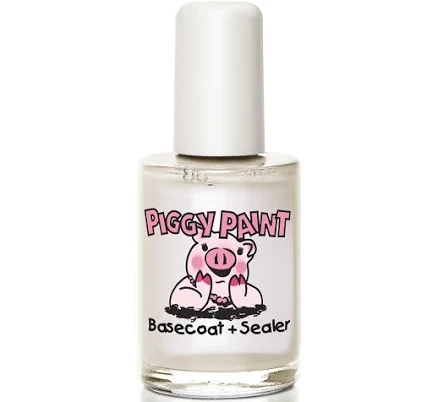
Piggy Paint
Basecoat & Sealer Nail Polish
- Water-based organic pigments and plant-derived resins
- The brand calls it PFAS-free, which we have not verified
- Heavy metals
3 hazards checked on this product. See all of them.
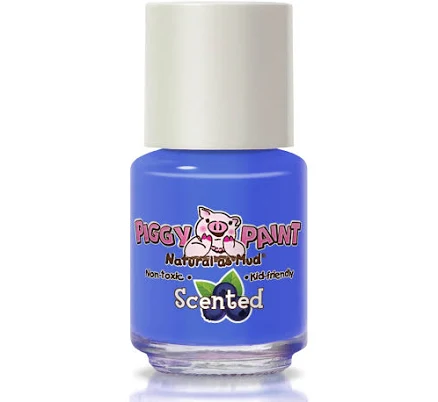
Piggy Paint
Nail Polish Piggy Paint
- water-based pigmented lacquer
- The brand calls it PFAS-free, which we have not verified
- Volatile organic compounds (VOCs) from resins and solvents
3 hazards checked on this product. See all of them.
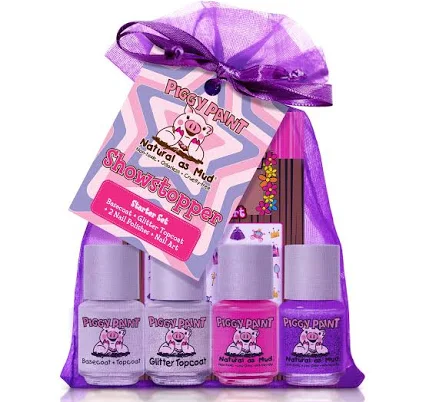
Piggy Paint
Showstopper Nail Polish Set
- organic pigments, plant-based resins, water-based lacquer
- The brand calls it PFAS-free, which we have not verified
- Volatile organic compounds (VOCs)
2 hazards checked on this product. See all of them.
More nail polish & top coat grades
How we score, every product runs through the same public 0-100 rubric based on materials, coatings, brand disclosure, lab findings, and recalls. See the full methodology → Spotted a mistake? Report an error.